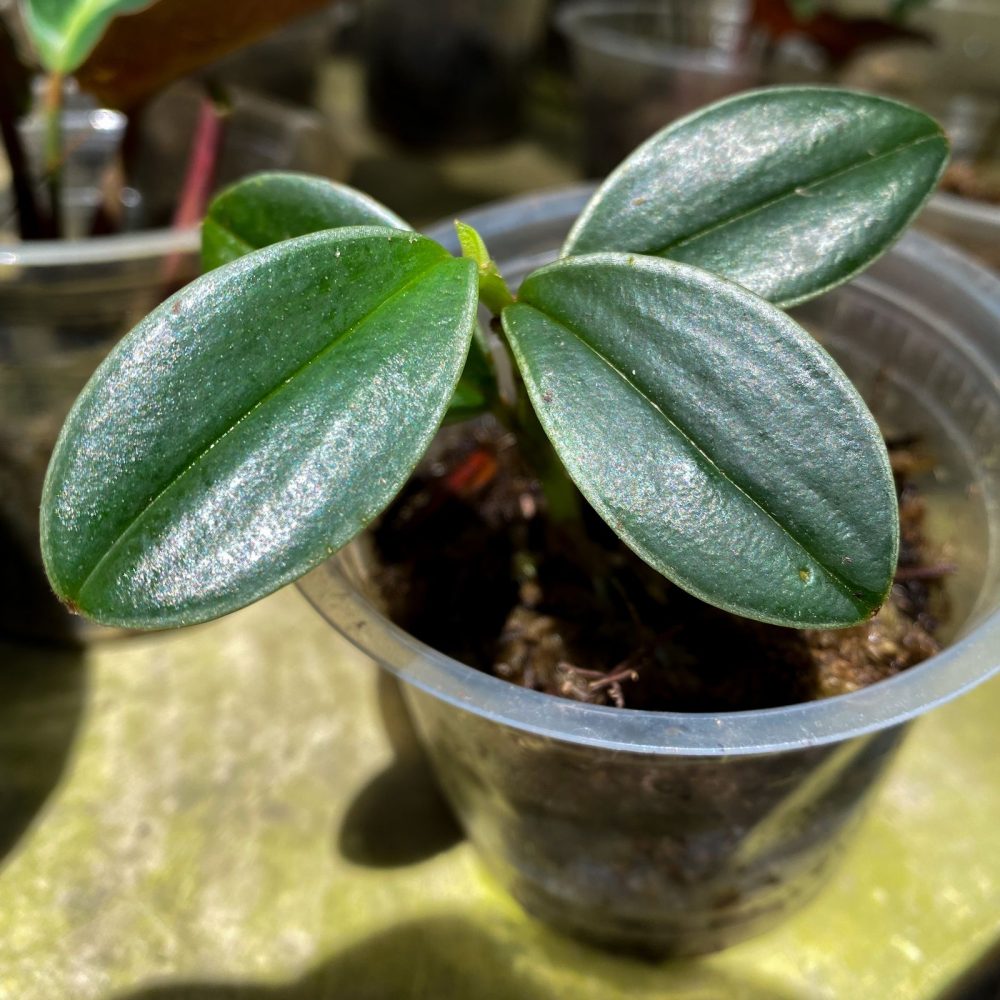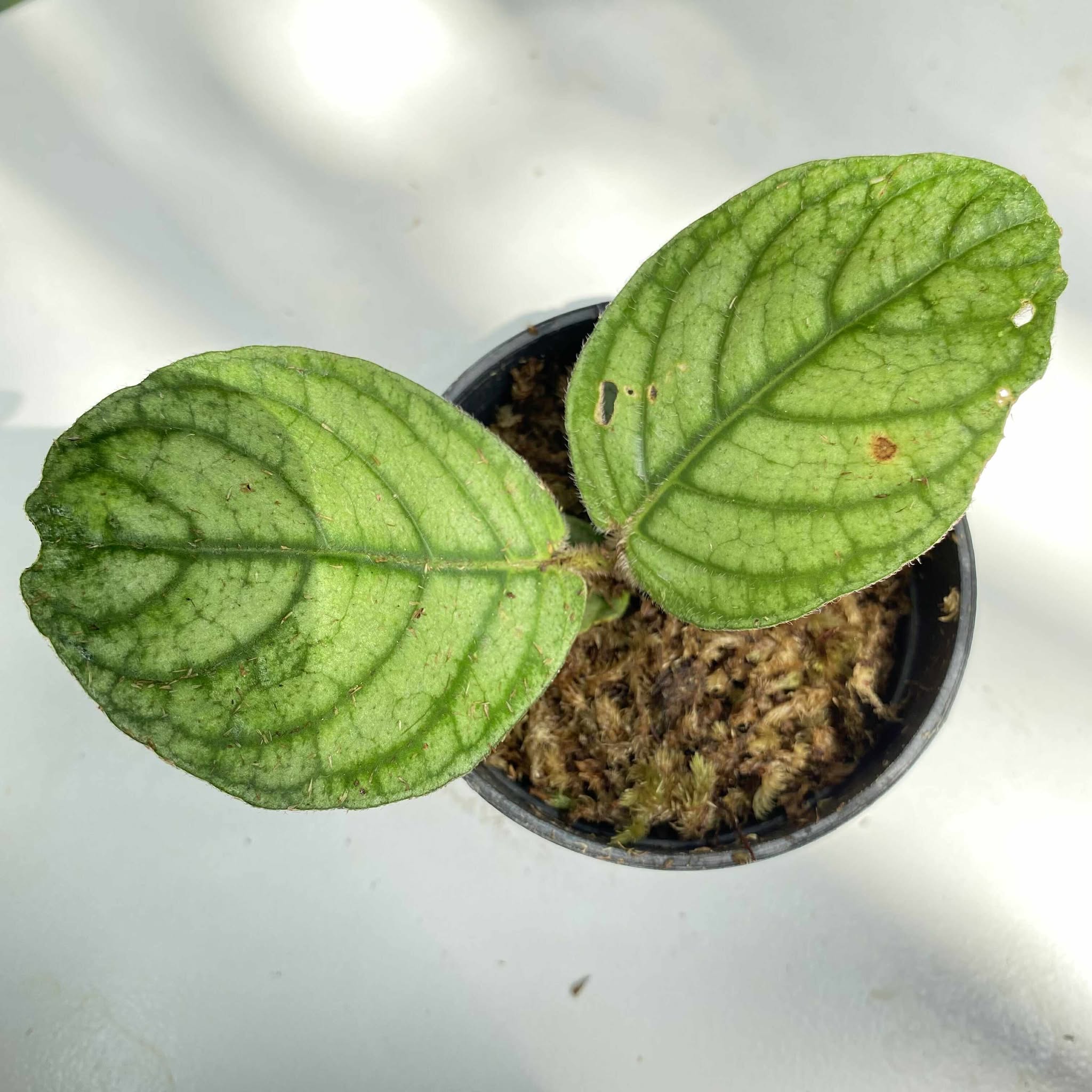
Argostemma Sp.

$29.95

Hello there, thank you for visiting us!

We provide a Phytosanitary Certificate for free

We provide special prices for wholesalers as well

A special discount is given for a minimum purchase of $1000

We give 100% replacement for DOA plant excluding the shipping cost

ABOUT THE PLANT:

  • Indonesia endemic plant
  • The photo is representative
  • Plant in the good condition and healthy
  • It has 3-4 leaves
  • It is sold per plant

Argostemma is a genus of flowering plants in the family Rubiaceae. It can be found in (sub)tropical Asia and western and west-central tropical Africa.

Kingdom: Plantae
Clade: Tracheophytes
Clade: Angiosperms
Clade: Eudicots
Clade: Asterids
Order: Gentianales
Family: Rubiaceae
Subfamily: Rubioideae
Tribe: Argostemmateae
Genus: Argostemma

ADDITIONAL INFORMATION:

  • An import license is a must when your country ask it as a requirement
  • The plant could able to be ship once the export permit get approval from the Ministry of Agriculture Indonesia, typically it takes 1-2 weeks

SHIPPING FOR INDONESIAN (LOCAL BUYER)

  • We have different prices for a local buyer, please contact us

PLEASE CONTACT US

  • Telephone/ WhatsApp
  • Email: borneoaquatic2019@gmail.com
  • Instagram: borneoaquatic.plant
  • YouTube: Borneo Aquatic
  • Facebook Page: Borneo Aquatic

Description

Argostemma Sp.

Argostemma sp. refers to a group of small, shade-loving tropical plants valued for their delicate structure and understated beauty. Unlike bold ornamental species, Argostemma captures attention through its fine details—soft green leaves, compact growth, and subtle textures that bring a natural, forest-floor aesthetic into cultivated environments. Its minimalist appearance makes it especially appealing for hobbyists who appreciate nuanced plant compositions.

Native to the humid understories of Southeast Asian rainforests, Argostemma species grow in consistently moist, shaded habitats where filtered light and stable humidity dominate. These environmental preferences translate well into controlled setups such as terrariums and paludariums, where growers can replicate the plant’s natural conditions with precision. Its low-growing habit allows it to function as a foreground or midground element, often complementing mosses, ferns, and other miniature tropical plants.