
Description
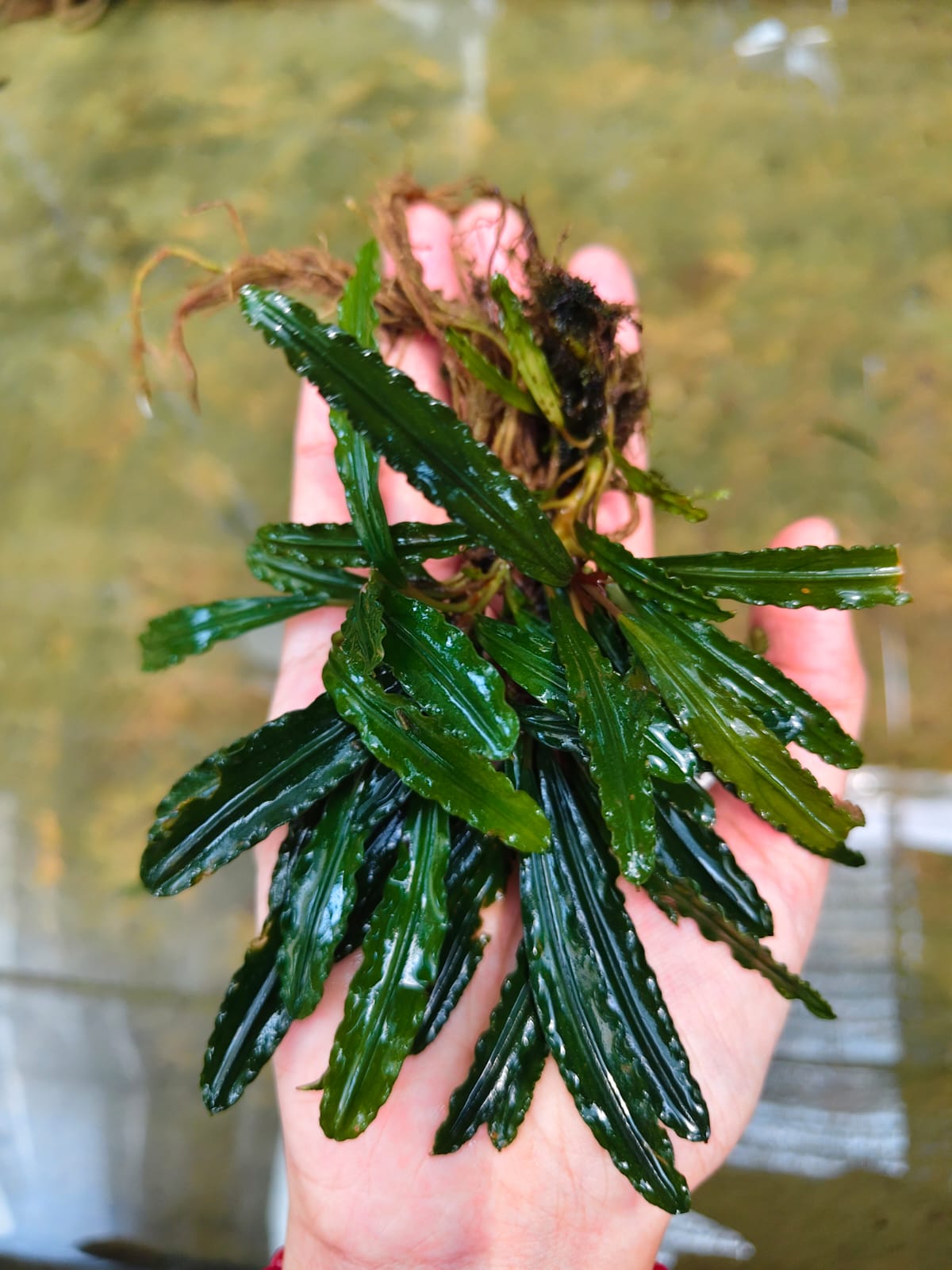
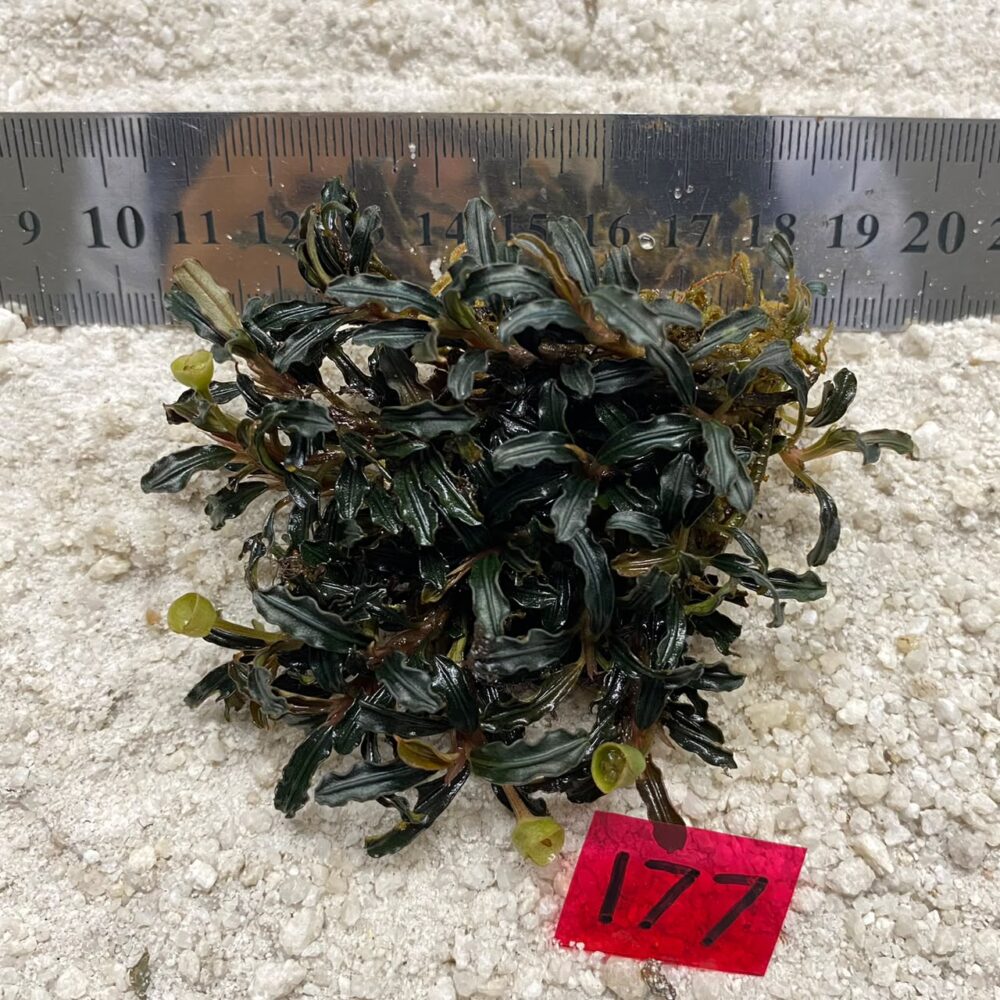
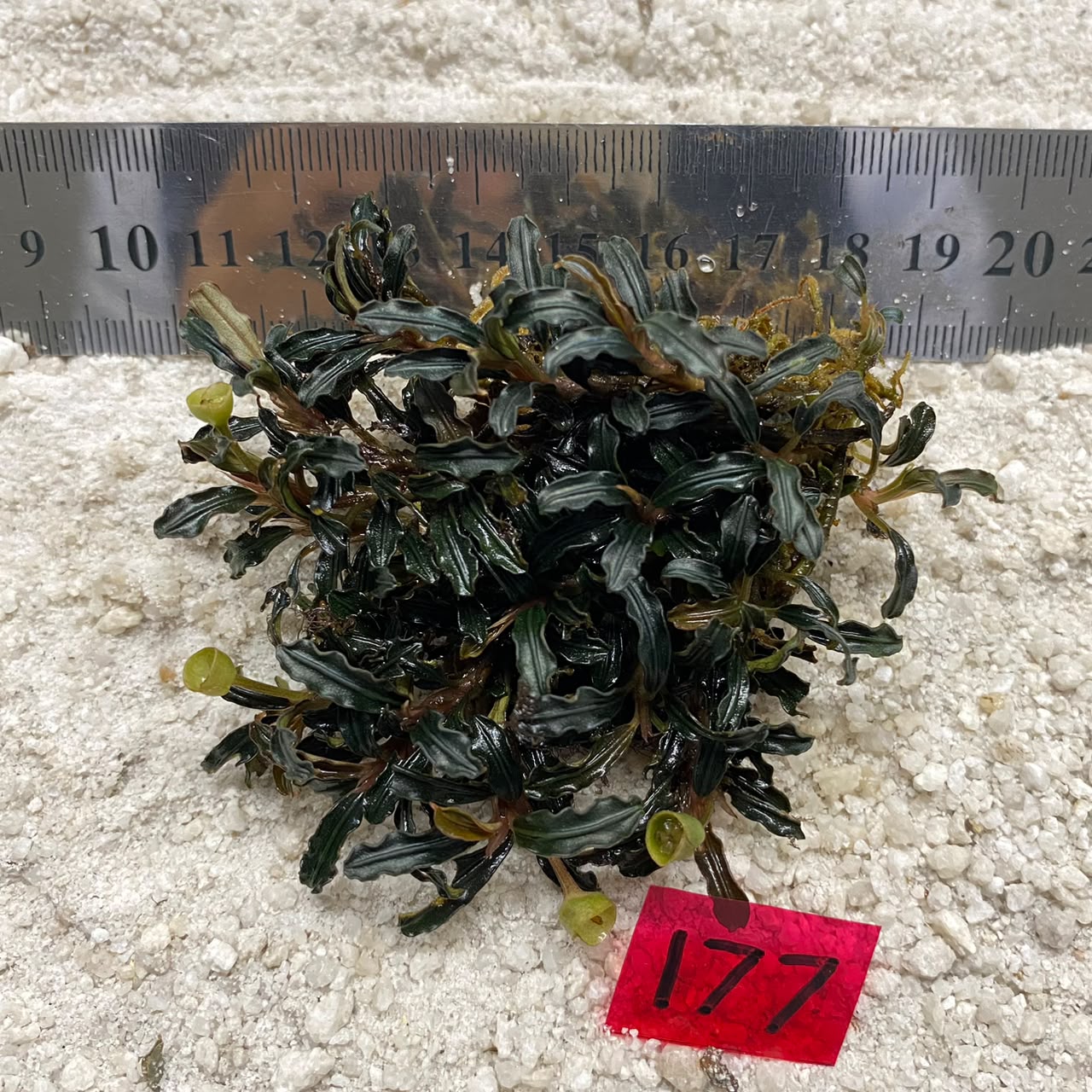
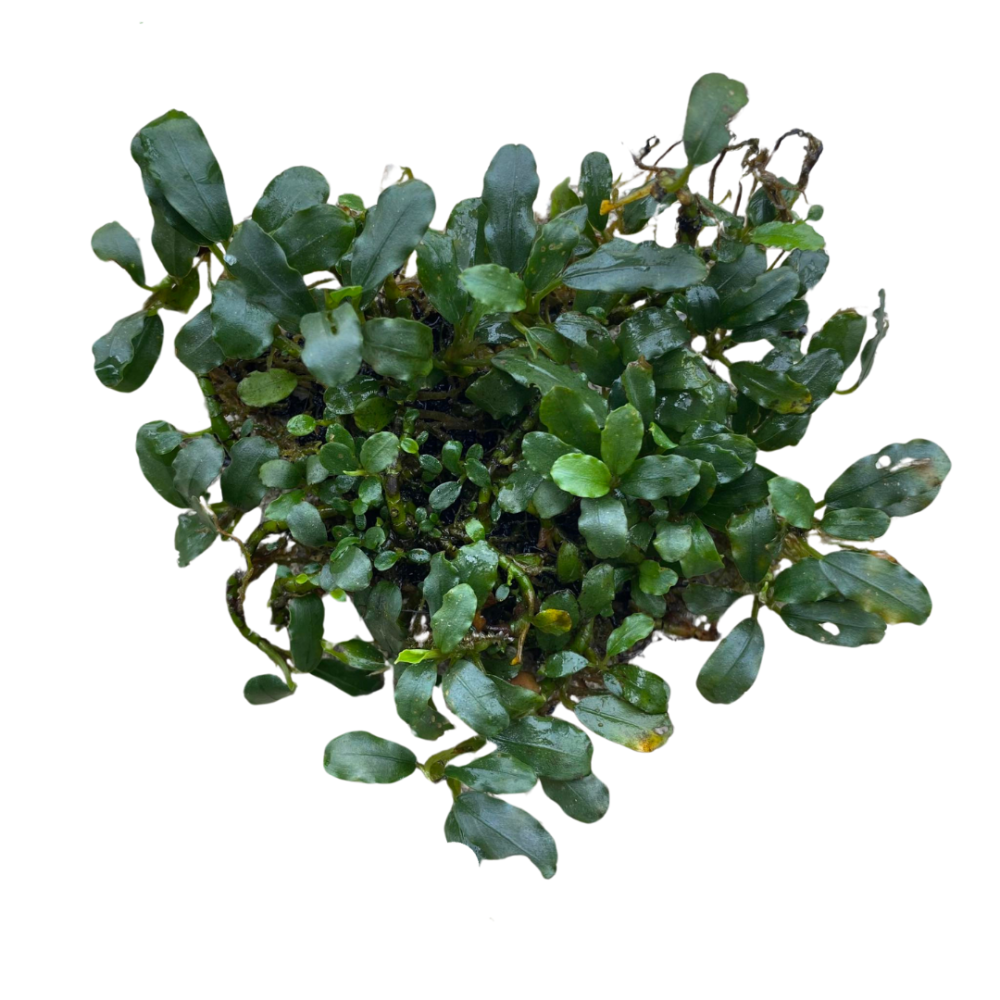
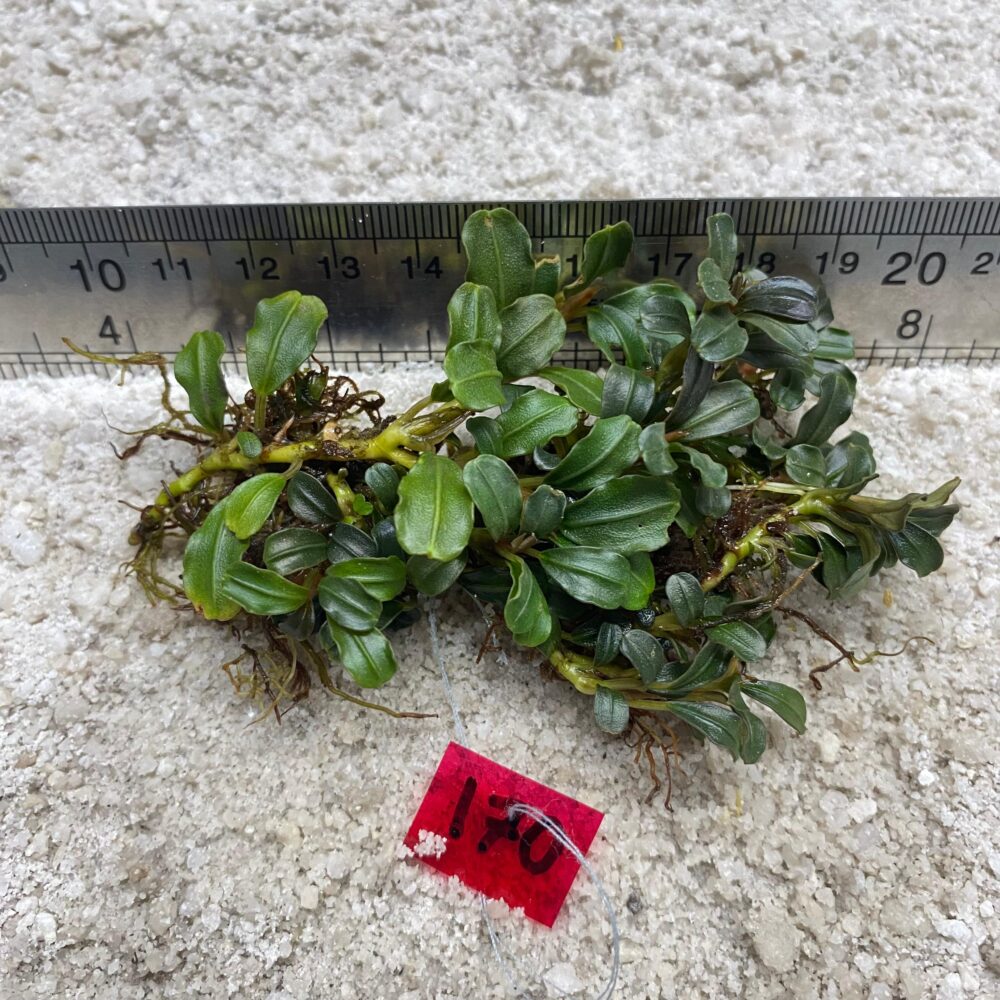
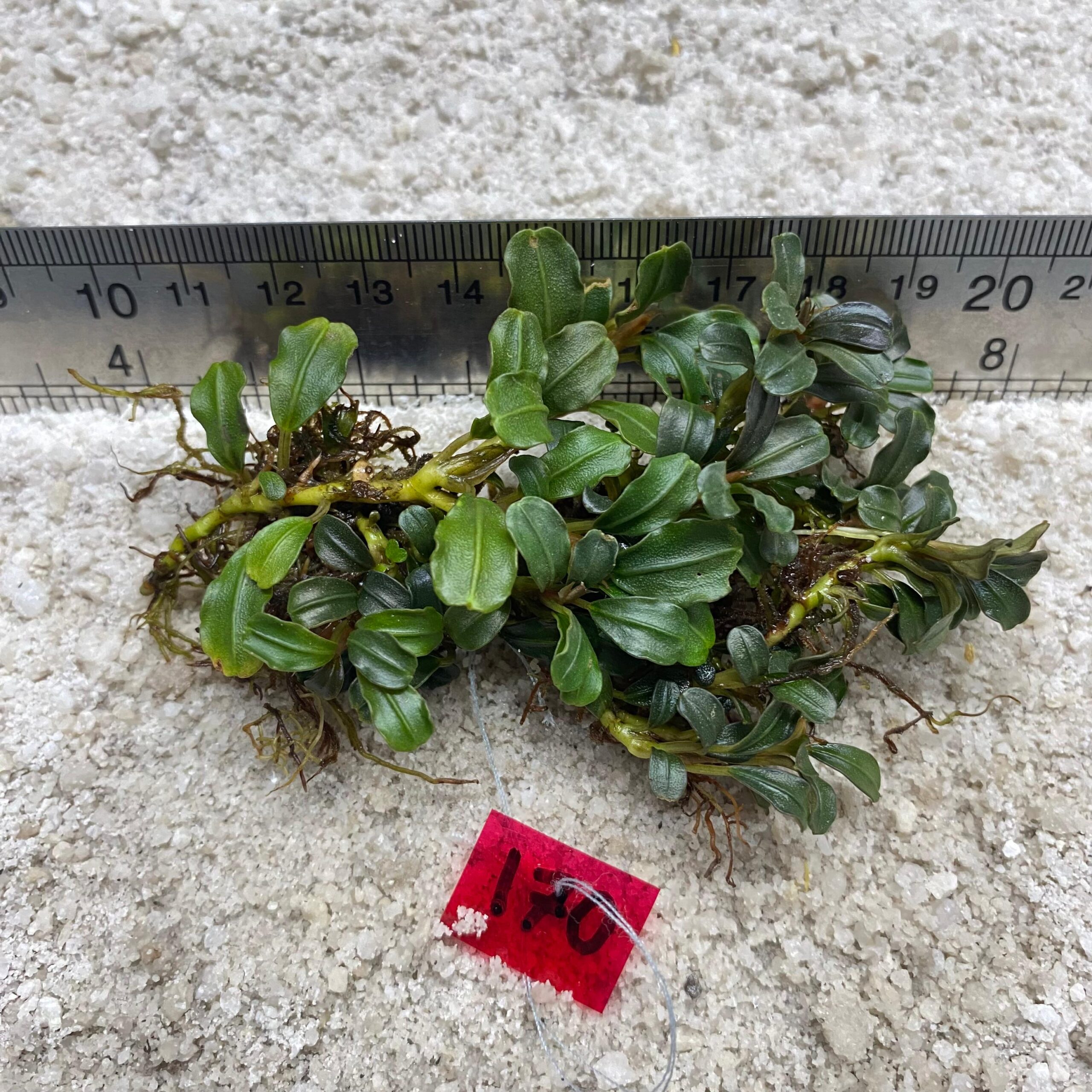
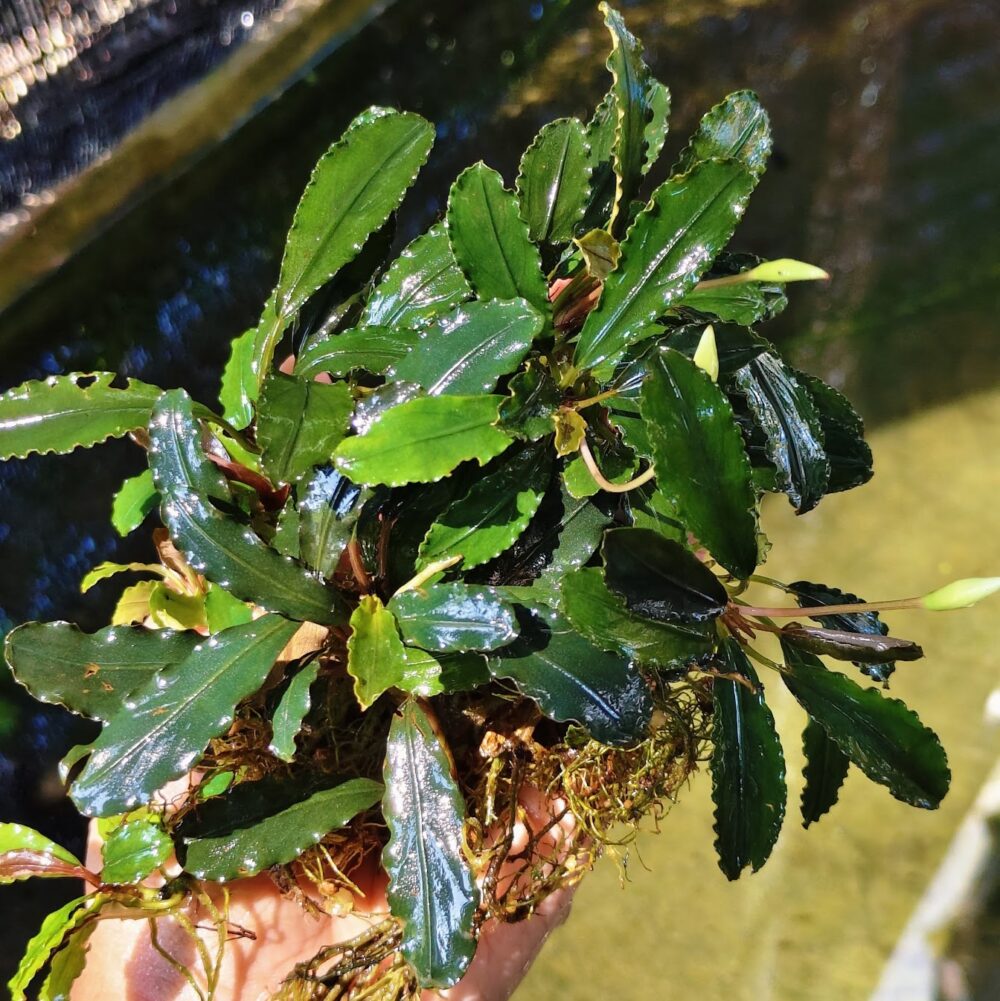
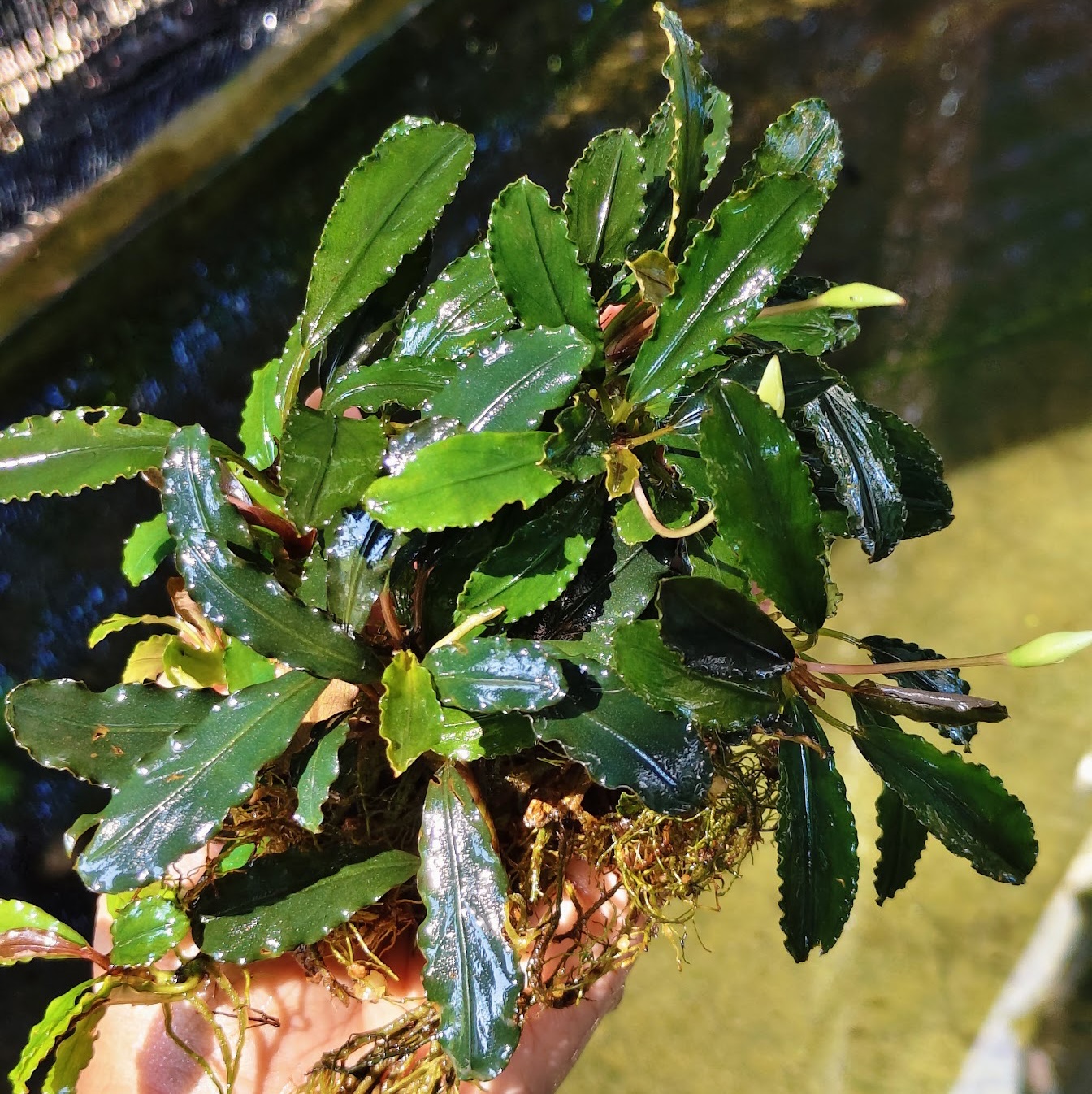
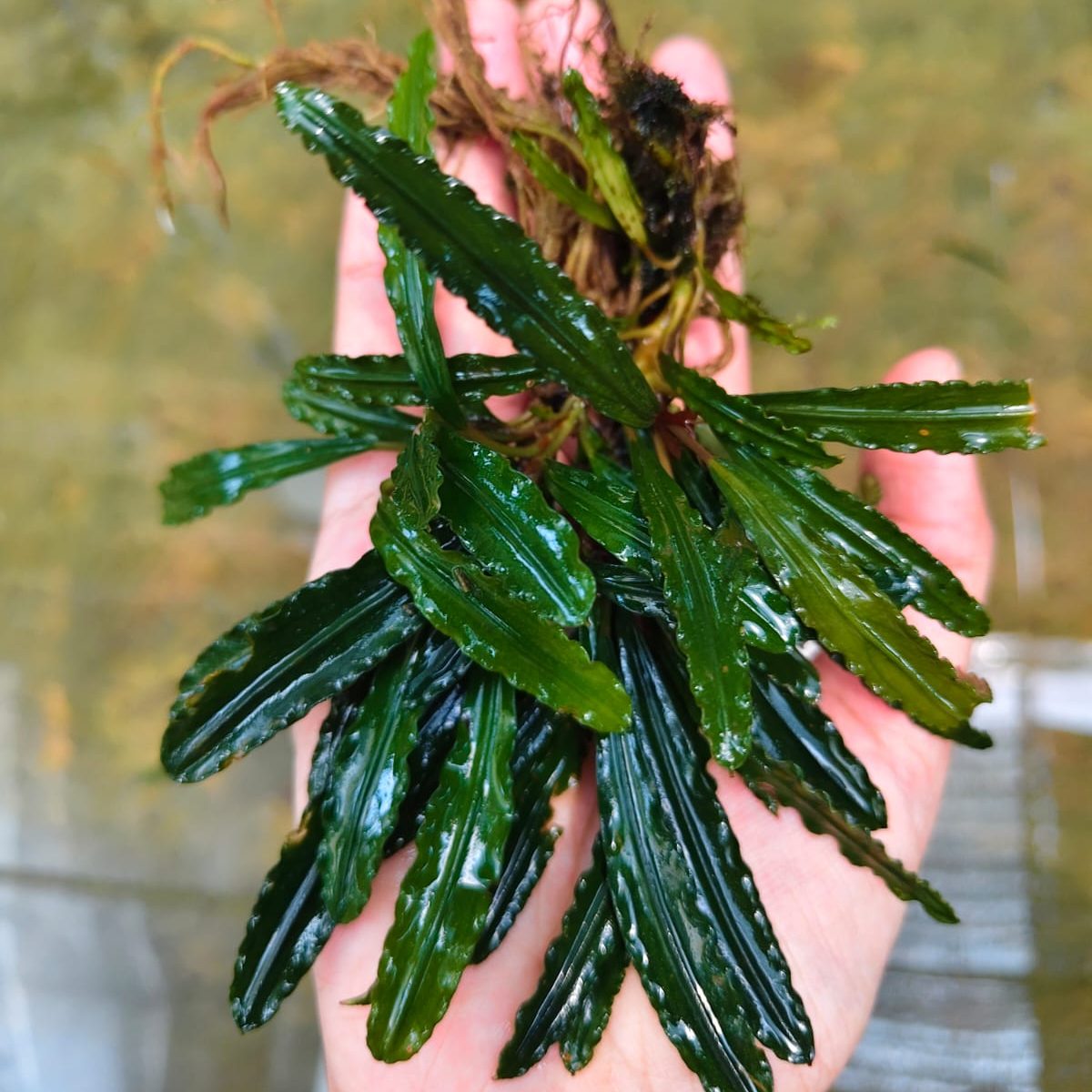
Bucephalandra Crocodile Land is a unique and striking variety from the Bucephalandra genus. It originates from the river systems of Borneo. Collectors and aquascapers worldwide prize it for its bold, textured appearance and natural character.
The leaves are its most defining feature. They display a pronounced, bumpy surface that closely resembles crocodile skin. The coloration is deep green to dark olive. Under aquarium lighting, subtle hints of blue, teal, or bronze emerge. This gives the plant a rich, complex look that stands out in any tank.
Growth & Care Bucephalandra Crocodile Land is a slow-growing, resilient plant that is well suited to aquascapers of all experience levels. It performs well under low to medium lighting conditions and does not require CO2 injection to grow and remain healthy, though supplementing with CO2 and a balanced liquid fertilizer will noticeably improve the density, color vibrancy, and overall vitality of the plant over time. Like all members of the Bucephalandra family, this variety grows best when firmly attached to hardscape materials such as driftwood, lava rock, or natural stones using fishing line or aquarium-safe adhesive.