Variegated Plants: The Unique Beauty of Nature’s Patterned Foliage
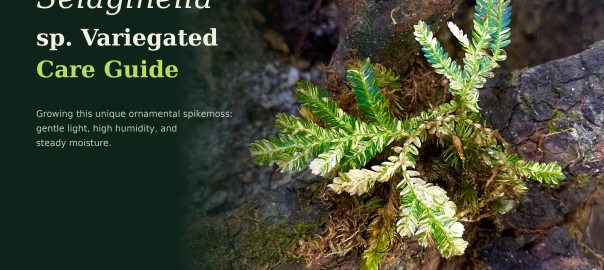
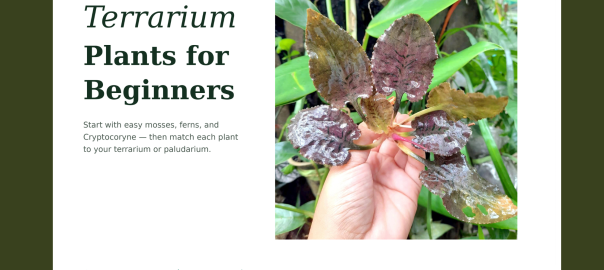
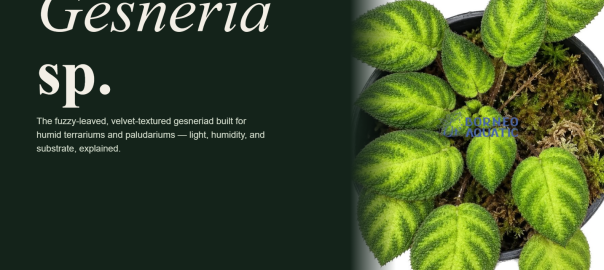
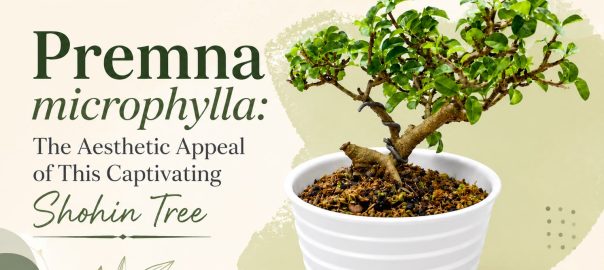
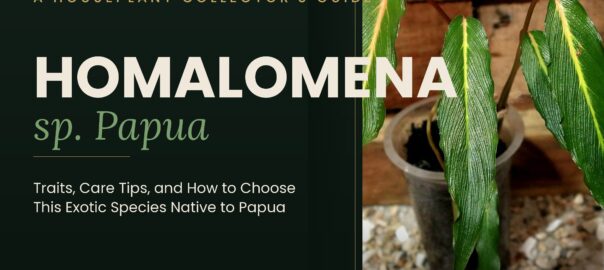
Plant are often admired for their lush green leaves, but variegated plants take natural beauty to another level. With leaves marked by striking patterns of white, cream, yellow, pink, or even red, these plants look like living pieces of art. Their unique foliage patterns make them highly desirable among plant collectors, interior designers, aquascapers, and gardening enthusiasts worldwide.
Beyond aesthetics, also represent fascinating biological processes that occur naturally within plant tissues. Their distinctive patterns tell a story about genetics, pigment distribution, and adaptation in the plant world.


What Are Variegated plants?
Variegated plants are plant whose leaves display two or more colors within the same leaf surface. This phenomenon happens when certain parts of the leaf lack chlorophyll—the green pigment responsible for photosynthesis.
When chlorophyll is absent or reduced in certain areas, other pigments become visible, creating patterns such as:
- White or cream patches
- Yellow or golden streaks
- Pink or red highlights
- Marbled or speckled textures
These patterns can appear in several forms, including striped variegation, marginal variegation, sectoral patterns, or mosaic-like markings. Because the pigment distribution can vary from leaf to leaf, each plant develops its own distinctive appearance.
This unpredictability is one of the reasons collectors and plant enthusiasts highly value variegated species.
Why Do Plant Become Variegated?
Variegation occurs for several biological reasons. The most common include genetic mutation, chimeric tissue structures, and environmental factors.
1. Genetic Mutation
Some variegated plants arise from natural mutations that affect chlorophyll production. When these mutations occur in certain leaf tissues, the plant develops areas without green pigment.
2. Chimeric Cell Structure
Many ornamental variegated plants are chimeras, meaning they contain different layers of cells with different genetic characteristics. Some cell layers produce chlorophyll while others do not, creating the characteristic color contrast.
3. Viral Variegation
In rare cases, certain plant viruses disrupt pigment formation, producing mottled or mosaic patterns. However, this type of variegation is generally unstable and not desirable for cultivation.
4. Environmental Influence
Light exposure, temperature, and nutrient levels may influence the intensity of variegation. In some species, stronger light can enhance leaf coloration.
Why Variegated Plants Are So Popular
In recent years, variegated plants have become some of the most sought-after plant in the horticulture market. Their growing popularity is driven by several factors.
a. Rarity
True stable variegation is relatively uncommon. Because the pattern often results from mutation, propagating these plants while preserving the variegation requires careful cultivation.
b. Decorative Value
The contrast between multiple colors adds visual depth and texture, making variegated plants ideal for indoor decoration, landscape accents, and botanical displays.
c. Collector Appeal
Plant collectors often seek rare variegated varieties because each specimen is unique. Even two plants of the same species may produce entirely different leaf patterns.
d. Natural Uniqueness
Every new leaf emerges with its own unpredictable design, making the plant continuously interesting to observe.
Caring for Variegated Plants
Although most variegated plants grow similarly to their green counterparts, they require slightly different care due to their reduced chlorophyll content.
– Provide Bright, Indirect Light
Because variegated leaves contain less chlorophyll, they need more light to photosynthesize efficiently.
– Avoid Very Low Light Conditions
In low light environments, some plants may revert to producing fully green leaves as they attempt to maximize photosynthesis.
– Maintain Balanced Fertilization
Proper nutrients support steady growth and help maintain leaf coloration.
– Prune Reverted Growth
If a branch begins producing fully green leaves, pruning can help maintain the plant’s variegated appearance.
The Growing Demand for Variegated Plants
In recent years, the global plant market has seen a surge in demand for rare and exotic foliage. From houseplants to aquascaping species, variegated plants have become symbols of botanical uniqueness and aesthetic sophistication.
Collectors appreciate them not only for their rarity but also for the sense of discovery they bring. Watching a new leaf unfold can reveal completely unexpected patterns—a reminder that nature’s creativity is endless.
Variegated Plants in Modern Plant Culture
Today, variegated plants play an important role in ornamental horticulture, aquascaping, and specialty plant collections. Their rarity and beauty have transformed them into prized botanical assets, often featured in premium plant nurseries and specialty collections.
For many enthusiasts, growing variegated plants is not just gardening—it is collecting living works of art. Each leaf reveals a new pattern, a new color combination, and a new example of nature’s creativity.
Collectors appreciate them not only for their rarity but also for the sense of discovery they bring. Watching a new leaf unfold can reveal completely unexpected patterns—a reminder that nature’s creativity is endless.
Discover the Beauty of Variegated Plants
Variegated plants demonstrate how natural mutations can produce extraordinary beauty. Their patterned foliage brings contrast, texture, and visual interest to any plant collection.
Whether you are a plant collector, aquascaping hobbyist, or simply someone who appreciates unique botanical forms, variegated plants offer a rare combination of science, rarity, and aesthetic elegance.
Explore the world of variegated plants and experience the remarkable patterns nature can create.