Ficus Deltoidea — The Tree of Fortune
Introduction
Among the many plants celebrated in feng shui tradition, few carry the quiet, enduring power of Ficus deltoidea. Native to the tropical forests of Southeast Asia, this compact fig tree has long been treasured — not only for its ornamental charm, but for the abundance, protection, and positive energy it is believed to invite into any space it inhabits.
What Is Ficus Deltoidea?
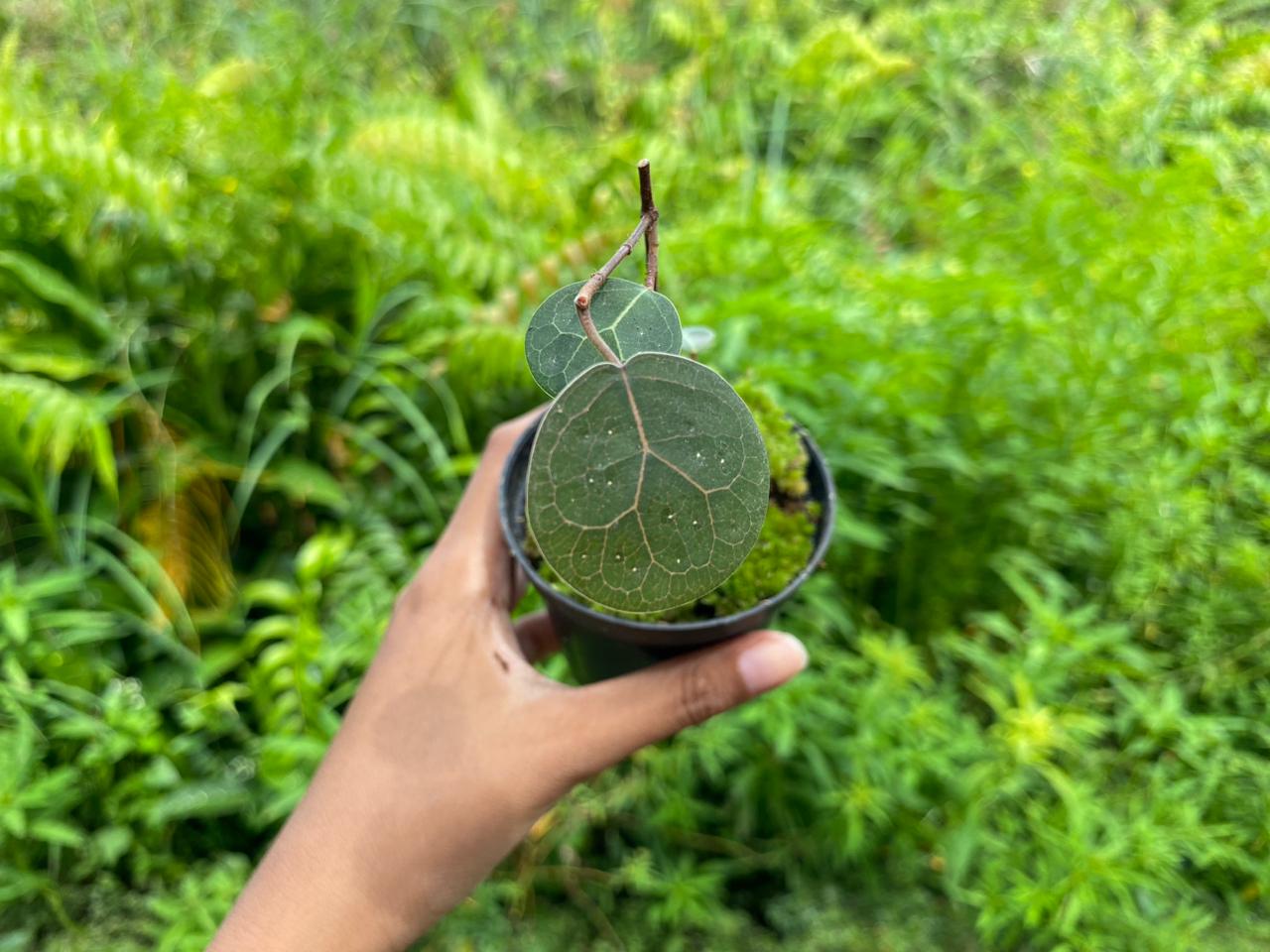
Ficus deltoidea, commonly known as the Mistletoe Fig or Mas Cotek (meaning “golden touch” in Malay), is a small, slow-growing shrub native to the rainforests of Malaysia, Indonesia, and the surrounding region. It is instantly recognizable by its distinctive delta-shaped or spoon-shaped leaves and its persistent clusters of tiny, berry-like fruits that ripen from green to vivid yellow or red.
Unlike many houseplants that fruit seasonally, Ficus deltoidea bears fruit year-round — a trait that has made it a powerful symbol in both traditional medicine and spiritual practice across Asia for centuries.

Feng Shui Symbolism & Meaning
In feng shui philosophy, every living thing carries a vibration — and Ficus deltoidea radiates one of the most auspicious. Here is what this remarkable plant symbolizes:
- Wealth & Prosperity
- 🌿Continuous Abundance
- 🛡️Protection
- ❤️Health & Longevity
- ☯️Positive Chi Flow
- 🌕Good Fortune
The small round fruits — perpetually present, golden or red in color — are widely interpreted as miniature coins or gems, making the plant a living embodiment of financial abundance. The year-round fruiting also symbolizes unceasing flow: blessings that never run dry.
The Bagua Connection
The classical feng shui Bagua map divides a space into nine zones, each governing a different area of life. Ficus deltoidea aligns most powerfully with two of these zones:
Xun — The Wealth & Prosperity Corner (Southeast)
Placing Ficus deltoidea in the southeast sector of your home or office is considered highly auspicious. This area governs financial flow, material abundance, and gratitude. A thriving, fruiting plant here is believed to amplify and stabilize incoming wealth energy.
Tai Qi — The Health & Wellbeing Center
The center of a home represents the heart of your family’s vitality. A healthy Ficus deltoidea placed here radiates nourishing sheng chi (living energy) outward in all directions, supporting the wellbeing of every occupant.
Best Placement in the Home
Where you position this plant matters deeply in feng shui practice. Each location activates a different dimension of its energy:
- Living Room
The ideal primary location. Welcomes positive energy and creates an inviting atmosphere for guests and family alike.
- Entrance / Foyer
Positioned near the main door, the plant greets incoming chi and acts as a guardian of good fortune entering the home.
- Office or Study
Supports focus, productivity, and career advancement. Particularly powerful on or near the desk.
- Meditation Space
Its gentle, grounded energy makes it a natural companion for spiritual practice and mindful reflection.
Avoid the bedroom. While beautiful, large leafy plants in feng shui are believed to generate too much active yang energy for a restful sleep space. They can disrupt the yin balance needed for true rejuvenation. Place it just outside the bedroom door instead.
Caring for Your Feng Shui Plant
In feng shui, a plant’s vitality directly reflects its energetic power. A wilting or neglected plant absorbs rather than generates positive chi. These care practices will keep your Ficus deltoidea thriving — and your energy field strong:
- Bright Indirect Light
Ficus deltoidea thrives in warm, filtered light — a few hours of gentle morning sun is ideal. Avoid harsh afternoon rays which can scorch the leaves.
- Mindful Watering
Water thoroughly when the top inch of soil is dry. Overwatering is the most common mistake. Allow good drainage — stagnant water symbolizes stagnant energy.
- Clean the Leaves
Wipe leaves gently with a damp cloth monthly. Dusty leaves block the plant’s ability to “breathe” — and in feng shui, block energy from flowing freely.
- Choose Auspicious Pots
Opt for pots in gold, terracotta red, earthy green, or rich brown — colors that resonate with earth and wood energy. Avoid cracked or chipped containers.
- Remove Dead Leaves Promptly
Dead or yellowing foliage should be removed immediately. In feng shui, decaying plant matter generates sha chi — negative, stagnant energy.
Enhancing Its Energy Further
To amplify the feng shui power of your Ficus deltoidea, consider these traditional enhancements:
Pair with crystals — Place citrine or pyrite at the base of the pot in the wealth corner to intensify prosperity vibrations. Red envelopes tucked beneath the pot during Chinese New Year is a popular Southeast Asian tradition to activate abundance energy. Intentional placement matters too: as you position the plant, set a clear, positive intention for what energy you wish to invite — whether wealth, health, or harmony.
Where a living thing thrives, life itself wishes to flourish alongside it.
— Traditional Feng Shui Proverb