Description
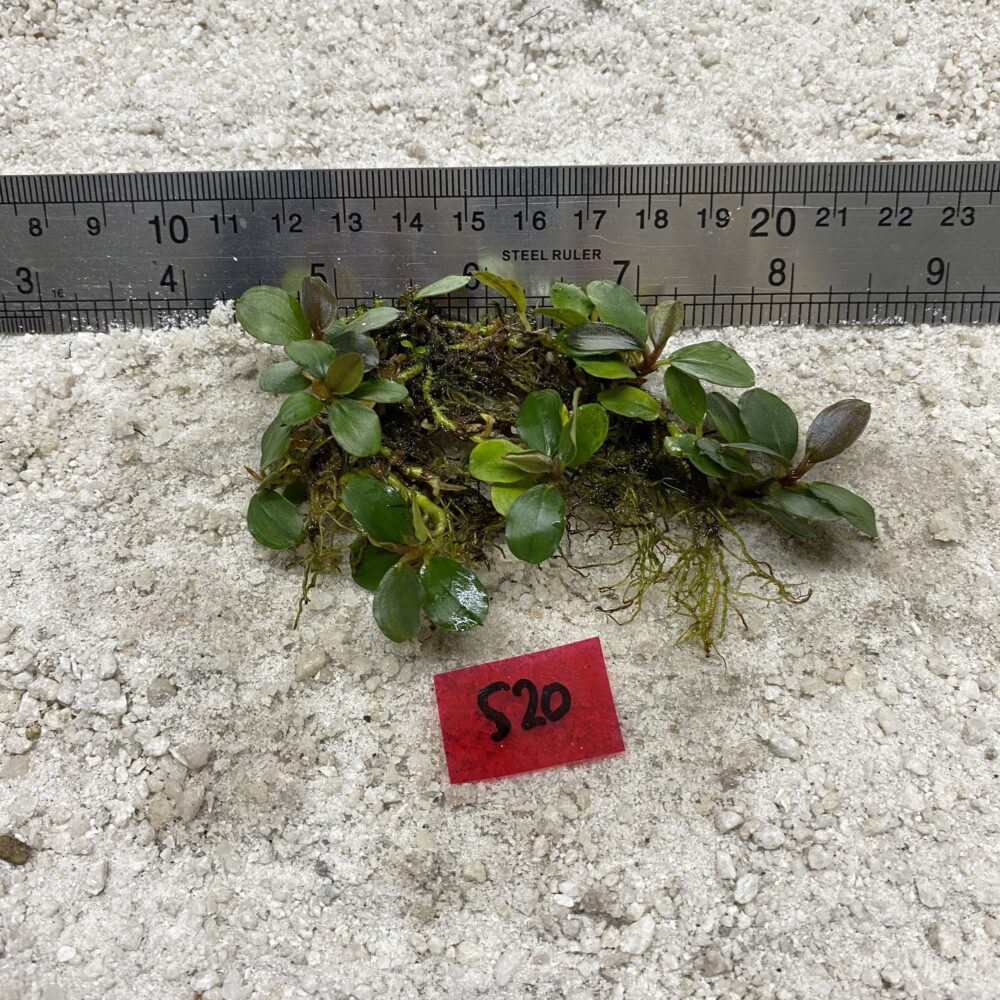
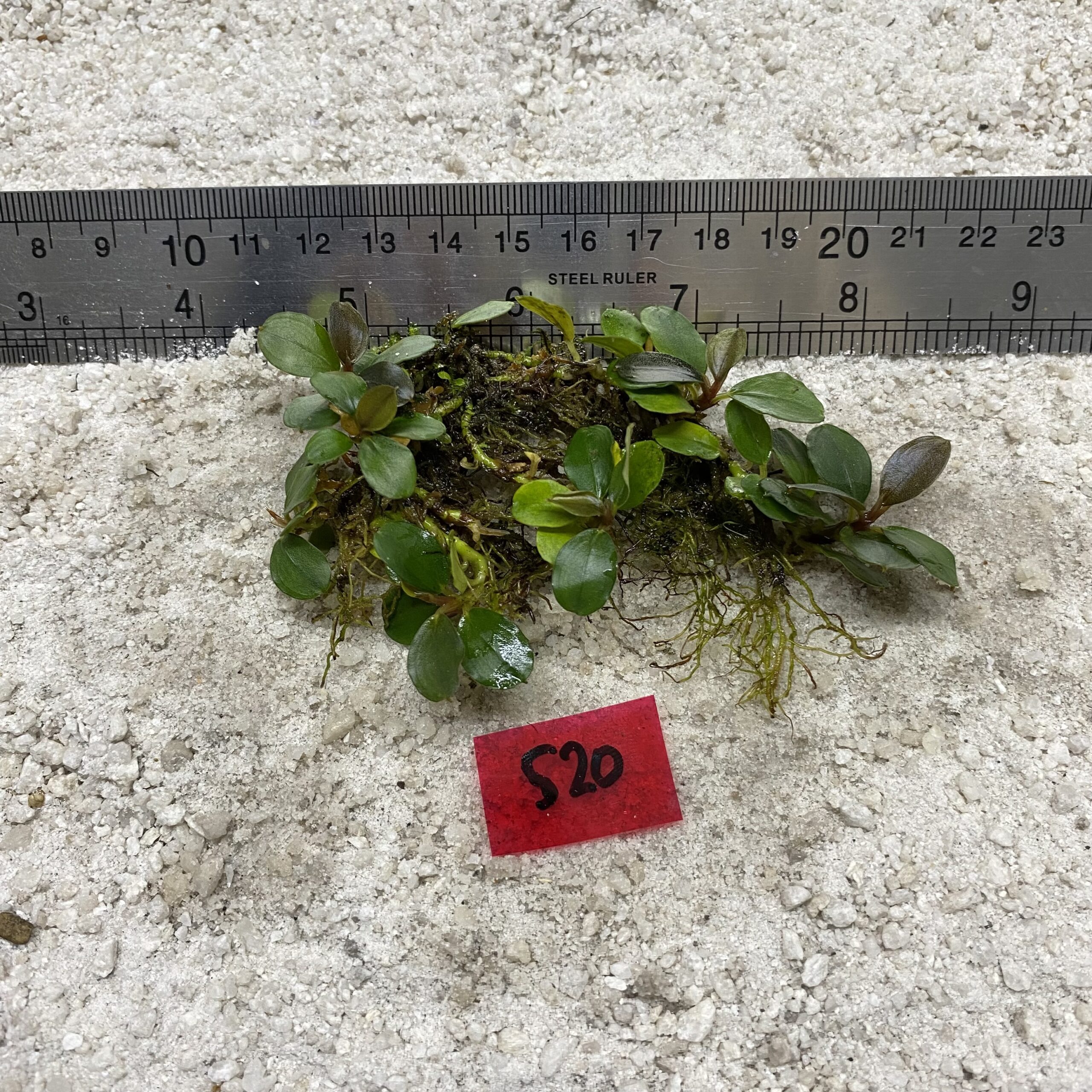
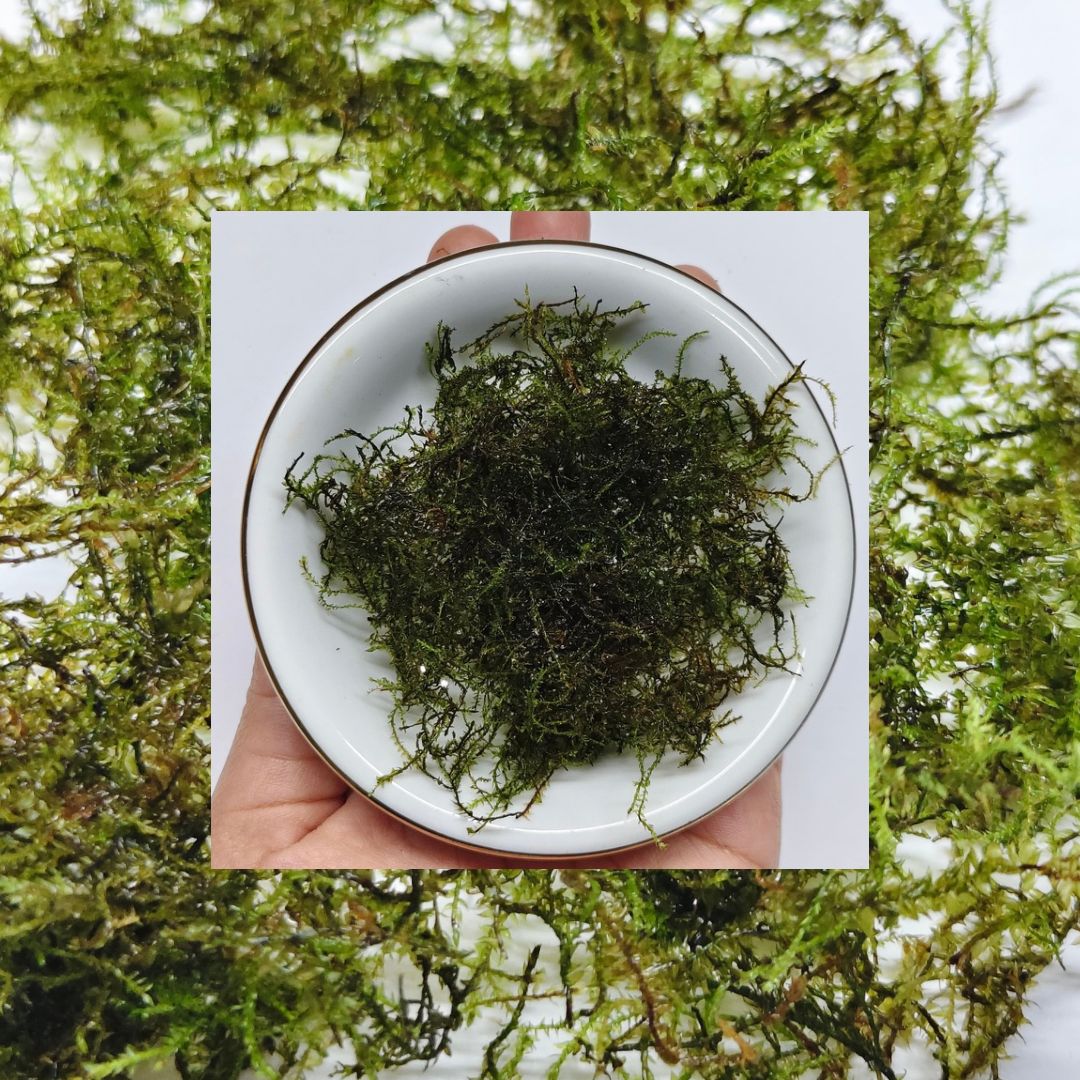
Java Mini Moss is a compact variety of the classic Java Moss family. It forms smaller, tighter clumps than regular Java Moss. Because of this, it’s a top choice for detailed aquascaping work. Hobbyists often use it for moss walls, carpets, and intricate layouts where a finer texture matters.
Why Choose Java Mini Moss for Your Aquarium
Java Mini Moss keeps the same hardy nature as standard Java Moss. However, its smaller leaf structure gives a neater, more refined look. As a result, many aquascapers prefer it for nano tanks and detailed foreground designs. It also pairs well with other plants in our [Internal Link: aquatic plant collection → /ornamental-fish].
Key Benefits
- Compact growth — forms a tighter, denser texture than regular Java Moss
- Beginner-friendly — tolerates a wide range of water conditions
- Low light tolerance — thrives without intense lighting or CO2 injection
- Shelters fry and shrimp — its dense structure offers safe hiding spots
Care Tips for Java Mini Moss
Java Mini Moss grows best in water temperatures between 70–78°F (21–26°C). It doesn’t need high-intensity lighting, so it suits low-tech setups well. Since it grows slower than regular Java Moss, you won’t need to trim it as often. Still, light trimming every few weeks keeps the texture even and healthy.
Like other aquatic mosses, tie it to driftwood, rocks, or mesh instead of burying it in substrate. It typically anchors itself within 4–6 weeks. For a complete setup, check out our [Internal Link: https://borneoaquatic.com/shop/ ] for mesh mats and trimming tools.
Is Java Mini Moss Right for Beginners?
Yes. Java Mini Moss stays just as forgiving as its larger counterpart. So, beginners can use it without worrying about complex care routines. At the same time, its finer texture appeals to experienced aquascapers who want a polished, detailed look. Browse our full plant and fish selection at [Internal Link: shop all products → /products] to get started.
The aquascaping community often documents moss varieties like this one for their role in supporting biofilm and microfauna growth. This, in turn, benefits shrimp colonies and fry. [Outbound Link: Taxiphyllum barbieri overview → https://en.wikipedia.org/wiki/Taxiphyllum_barbieri]