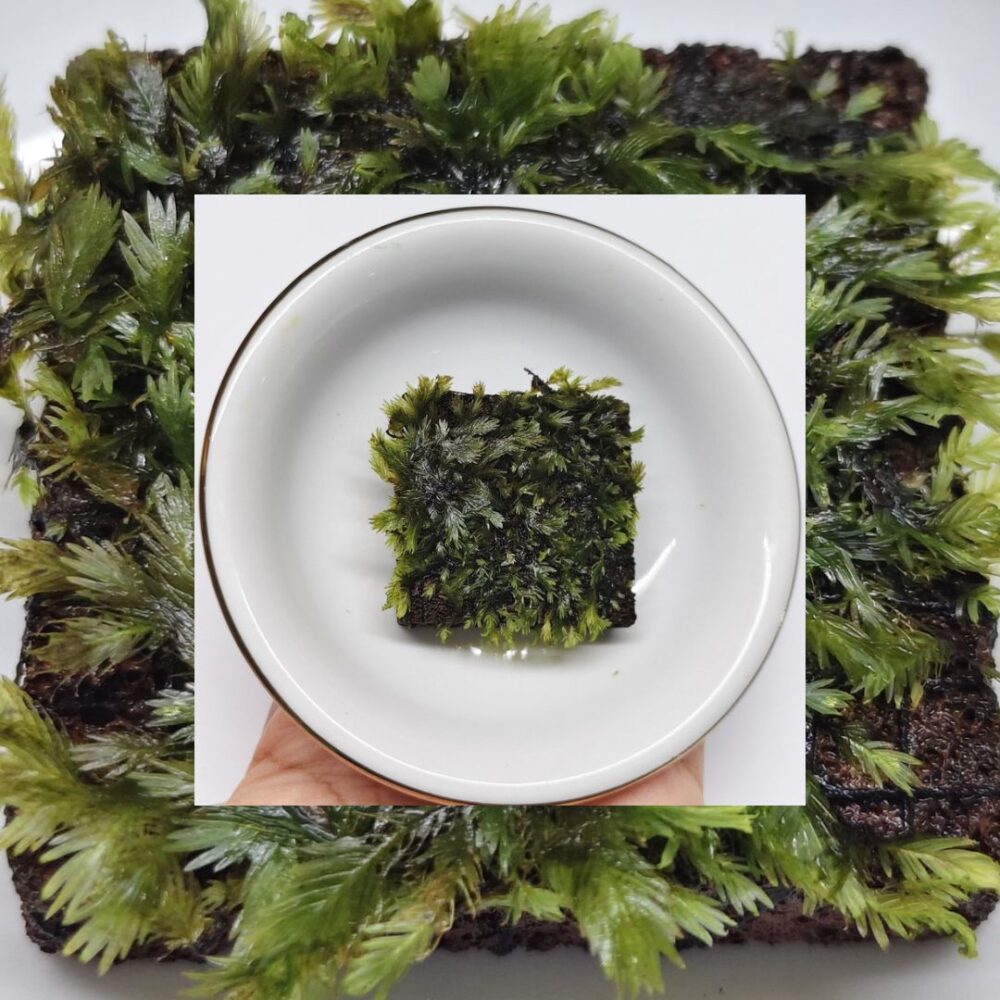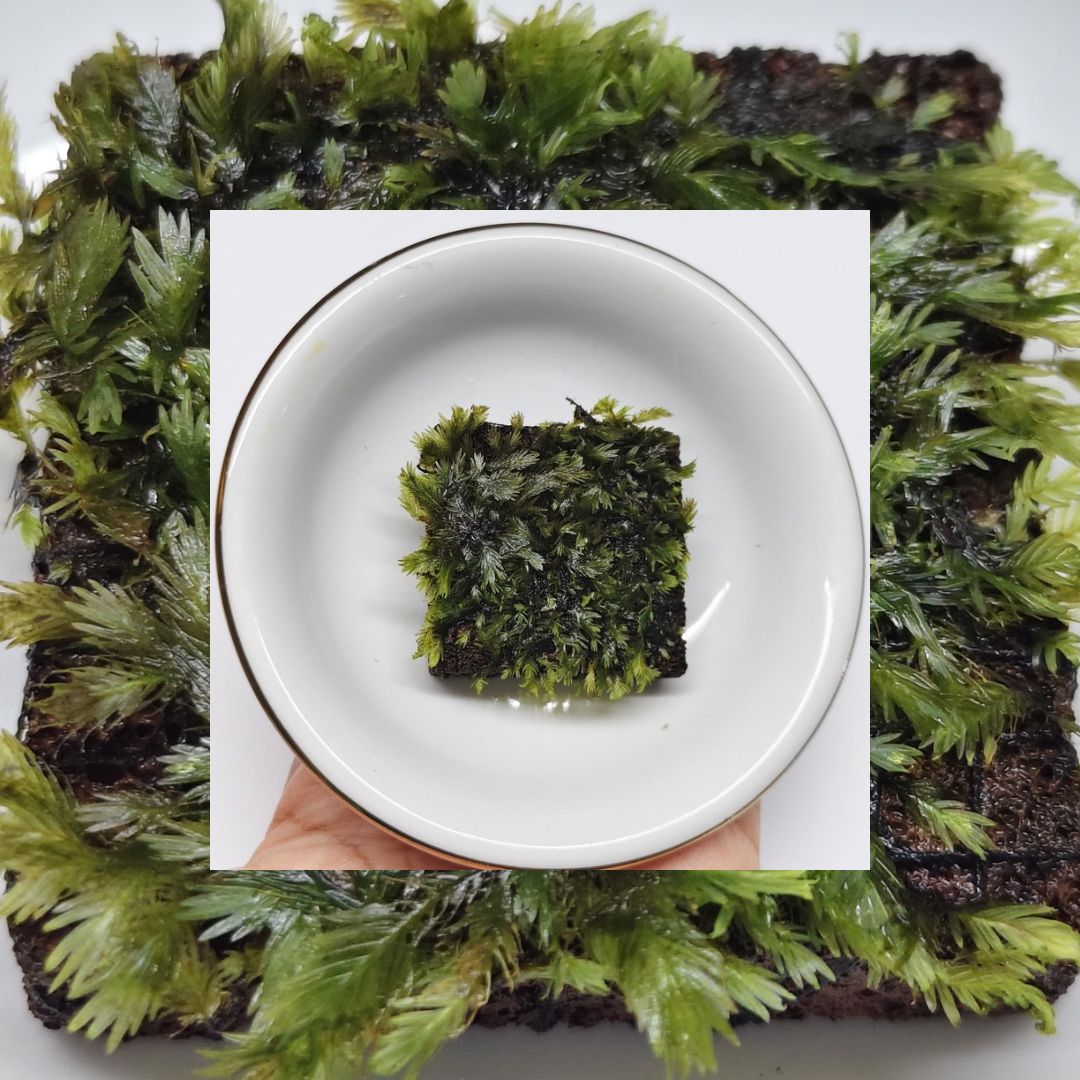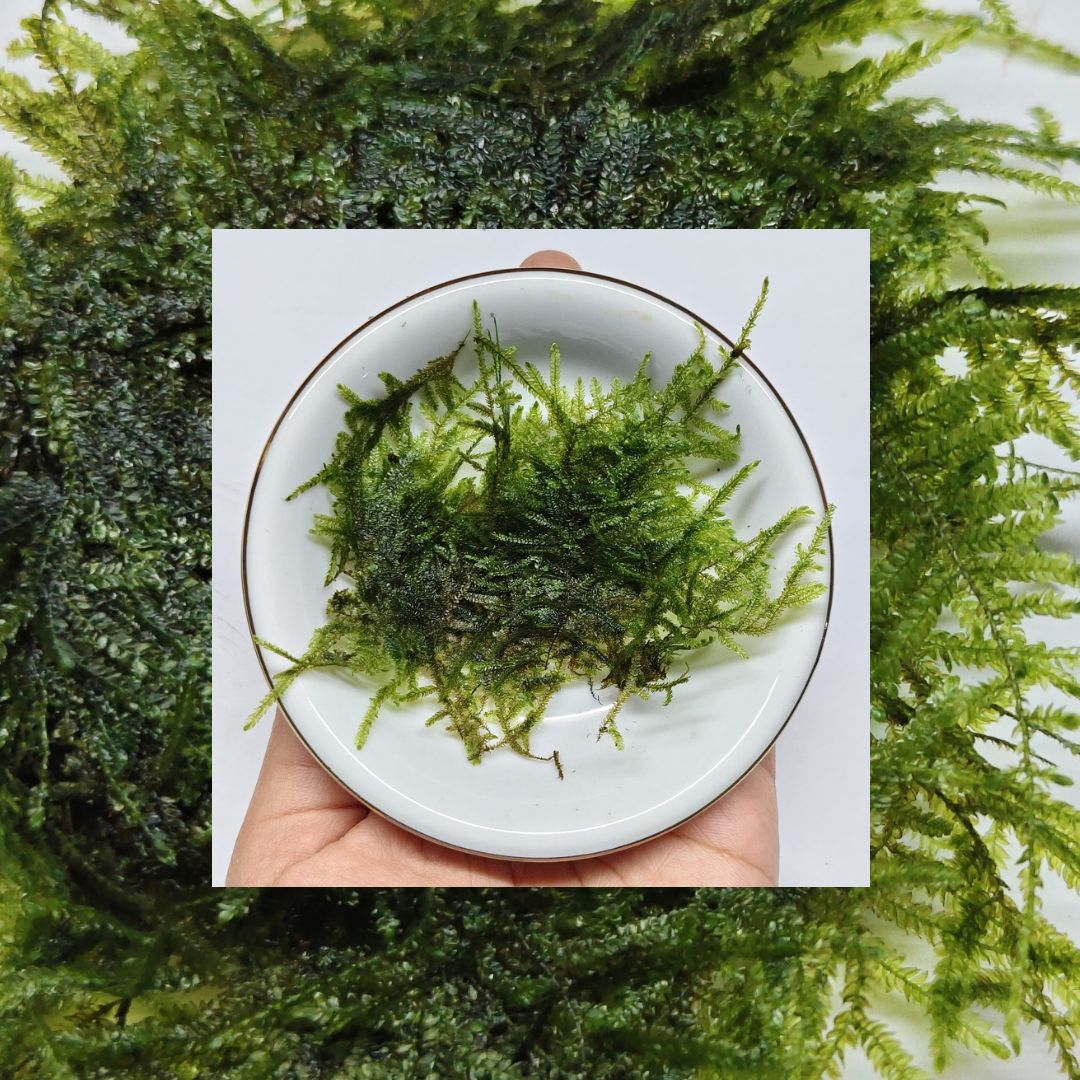
Description
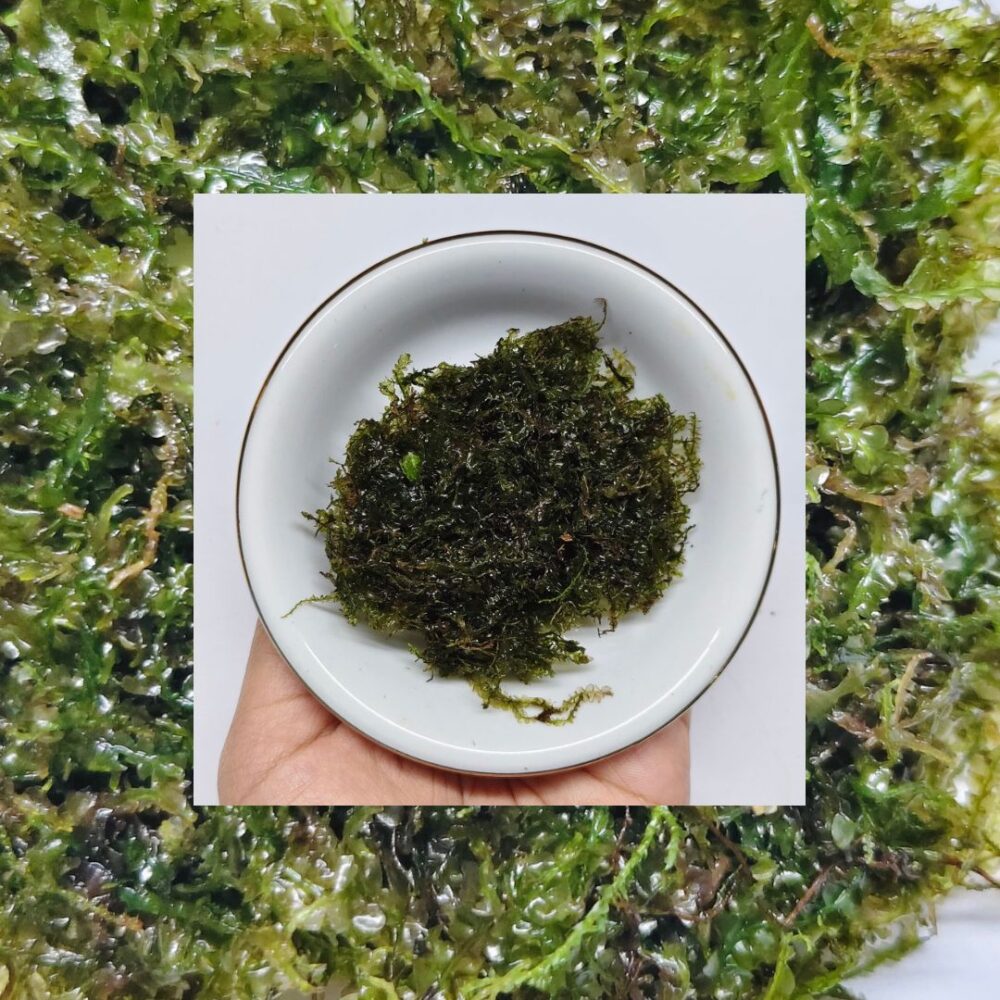
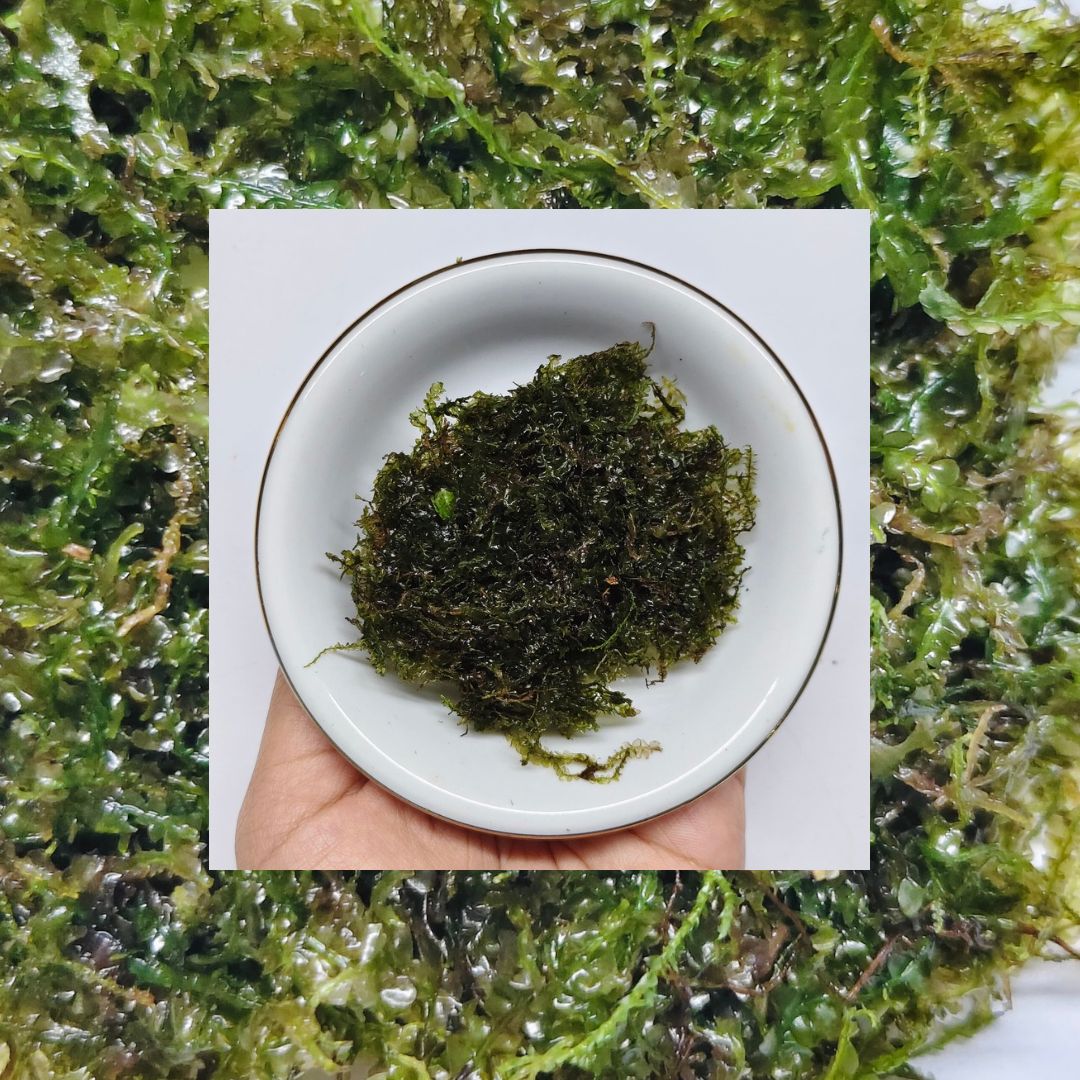
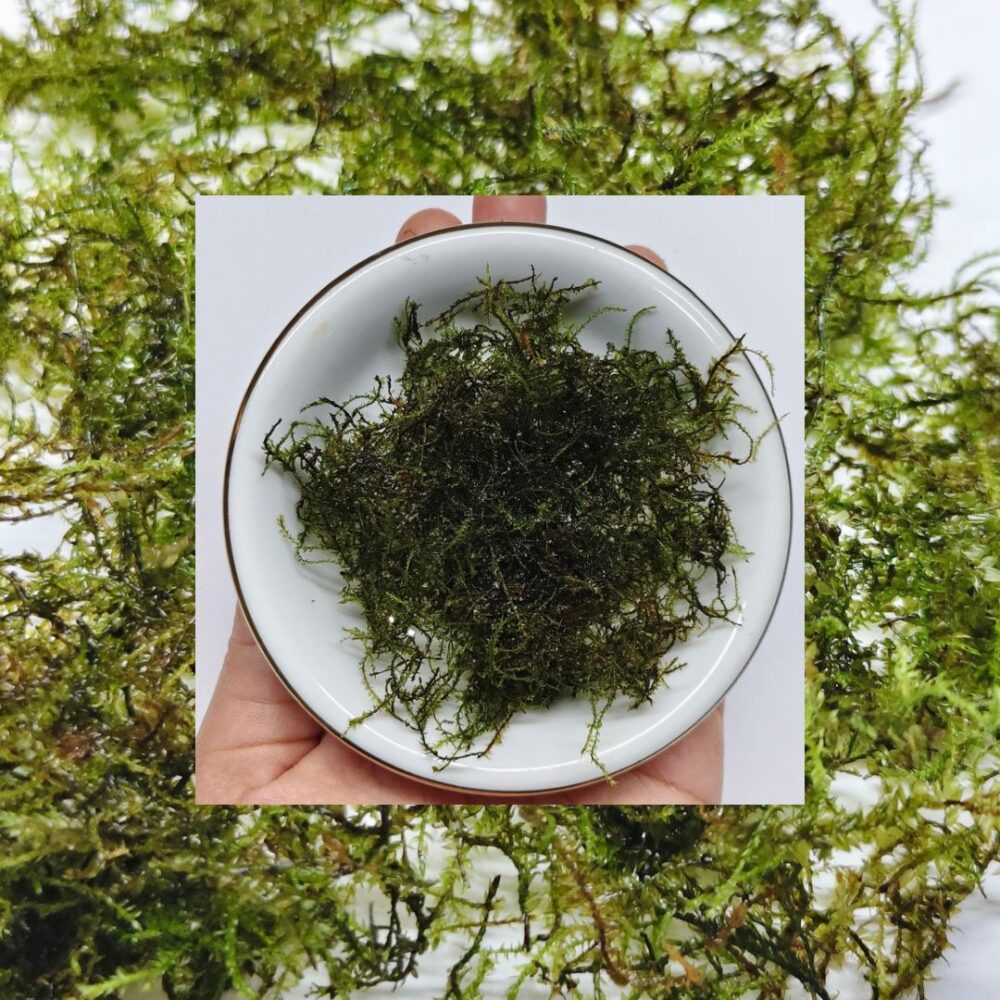
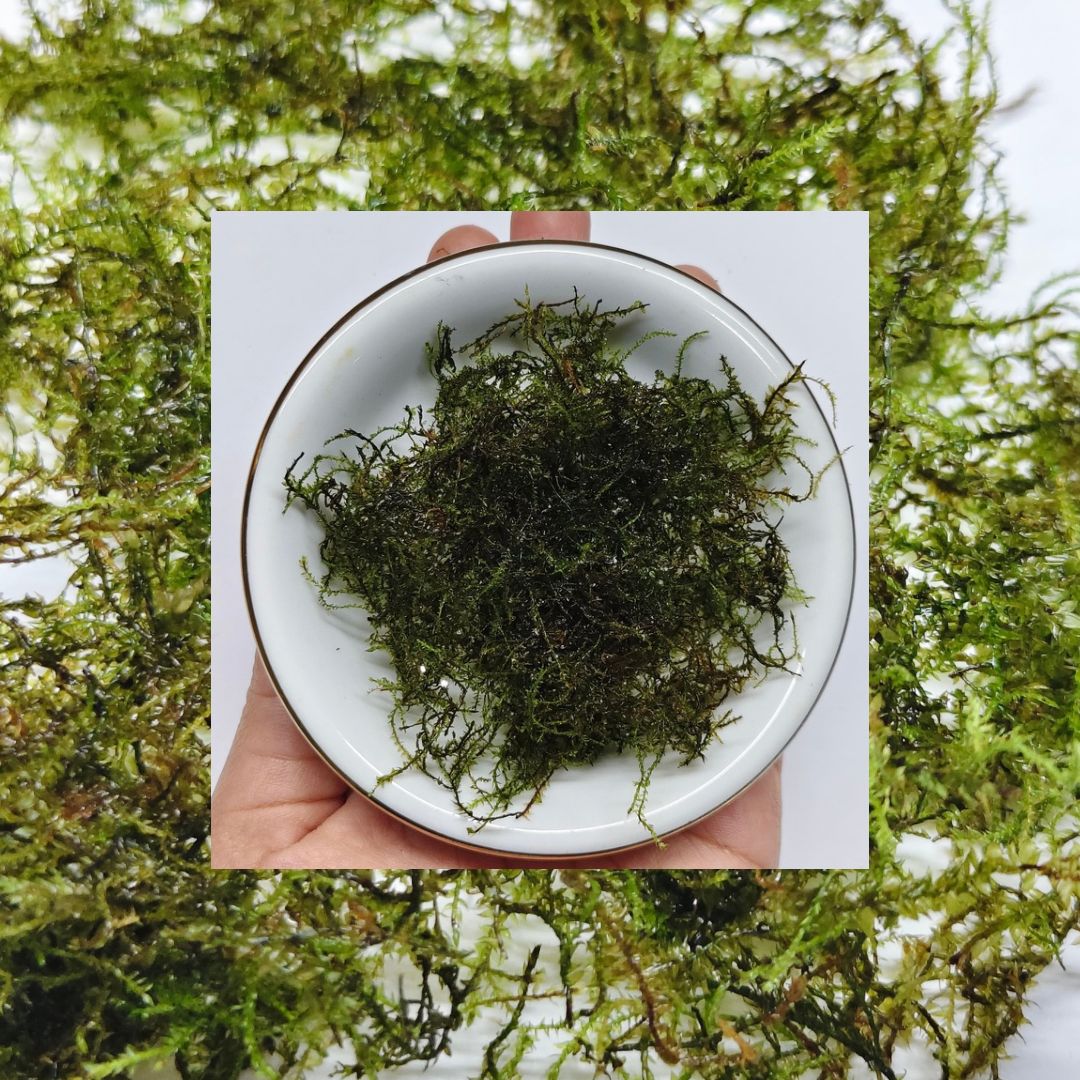
Taiwan Moss is a classic aquatic moss known for its dense, bushy growth. It forms thicker clumps than Java Moss, with a softer, more feathery texture. Because of this growth habit, aquascapers often use it to create lush carpets or cover backgrounds. Its rich green color brings a full, jungle-like look to any planted tank.
Why Choose Taiwan Moss for Your Aquarium
Taiwan Moss grows faster and fuller than many other moss varieties. This habit makes it ideal for quickly filling in hardscape or background areas. Because of its hardy nature, it tolerates a range of water conditions without much fuss. As a result, both beginners and experienced hobbyists can grow it with confidence. You can pair it with other species from our [Internal Link: aquatic plant collection → /ornamental-fish] for a fuller aquascape.
Key Benefits
- Dense, bushy growth — fills in hardscape and backgrounds quickly
- Hardy and adaptable — tolerates varying water parameters and lighting
- Low maintenance — doesn’t require CO2 injection or intense lighting
- Shelters fry and shrimp — thick growth offers safe hiding spots
Care Tips for Taiwan Moss
This moss grows best in water temperatures between 70–78°F (21–26°C). It tolerates low to moderate lighting, so it suits most low-tech setups. Since it grows quickly, regular trimming helps keep its shape neat. Trimming also prevents the dense clumps from smothering themselves.
Like other aquatic mosses, tie Taiwan Moss to driftwood, rocks, or mesh instead of burying it in substrate. It typically anchors itself within 3–5 weeks.
Is Taiwan Moss Right for Beginners?
Yes. Taiwan Moss stays just as forgiving as Java Moss, making it a great starting point. At the same time, its fuller, fluffier texture appeals to experienced aquascapers who want lush coverage fast. Browse our full plant and fish selection at [Internal Link: shop all products → /products] to get started.
The aquascaping community often documents moss species like this one for their role in supporting biofilm and microfauna growth. This, in turn, benefits shrimp colonies and fry. [Outbound Link: Aquascaping overview → https://en.wikipedia.org/wiki/Aquascaping]