Description
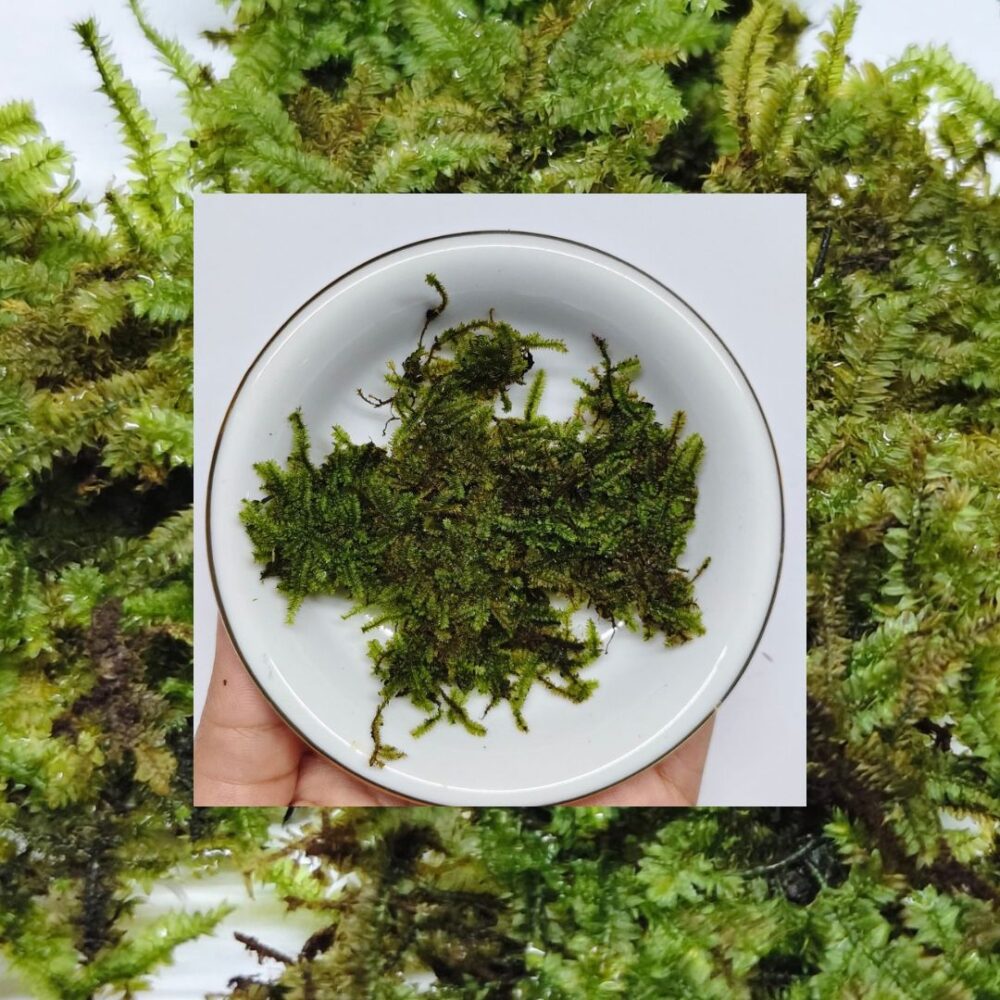
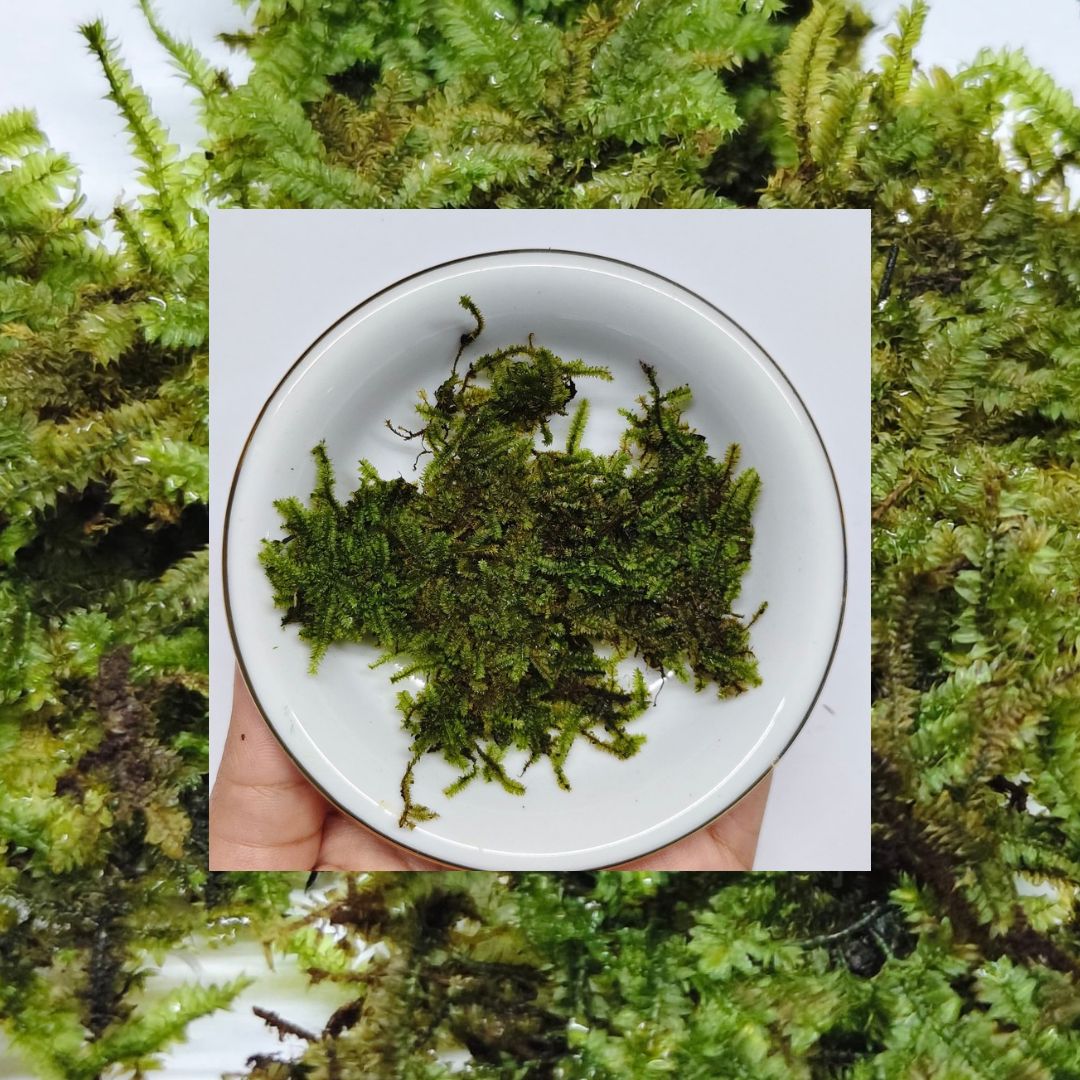
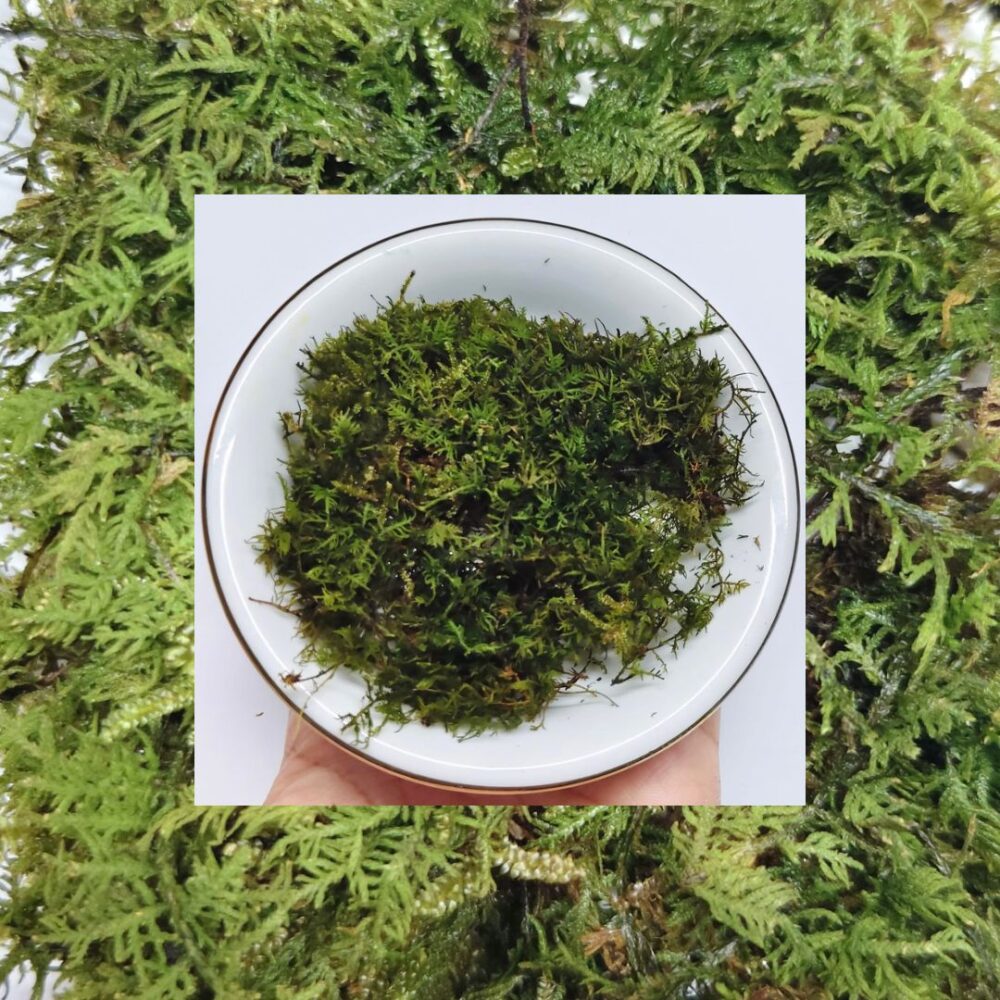
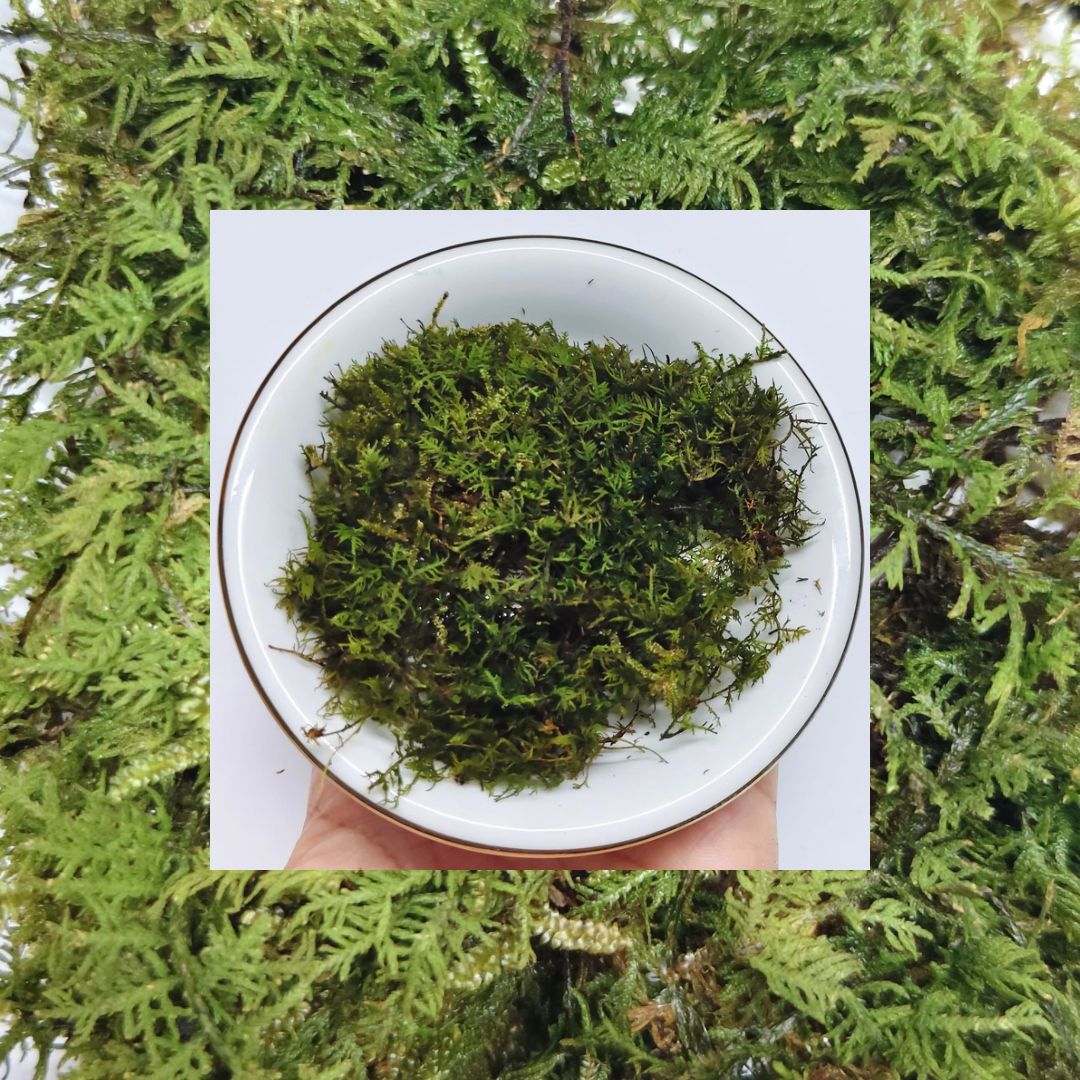
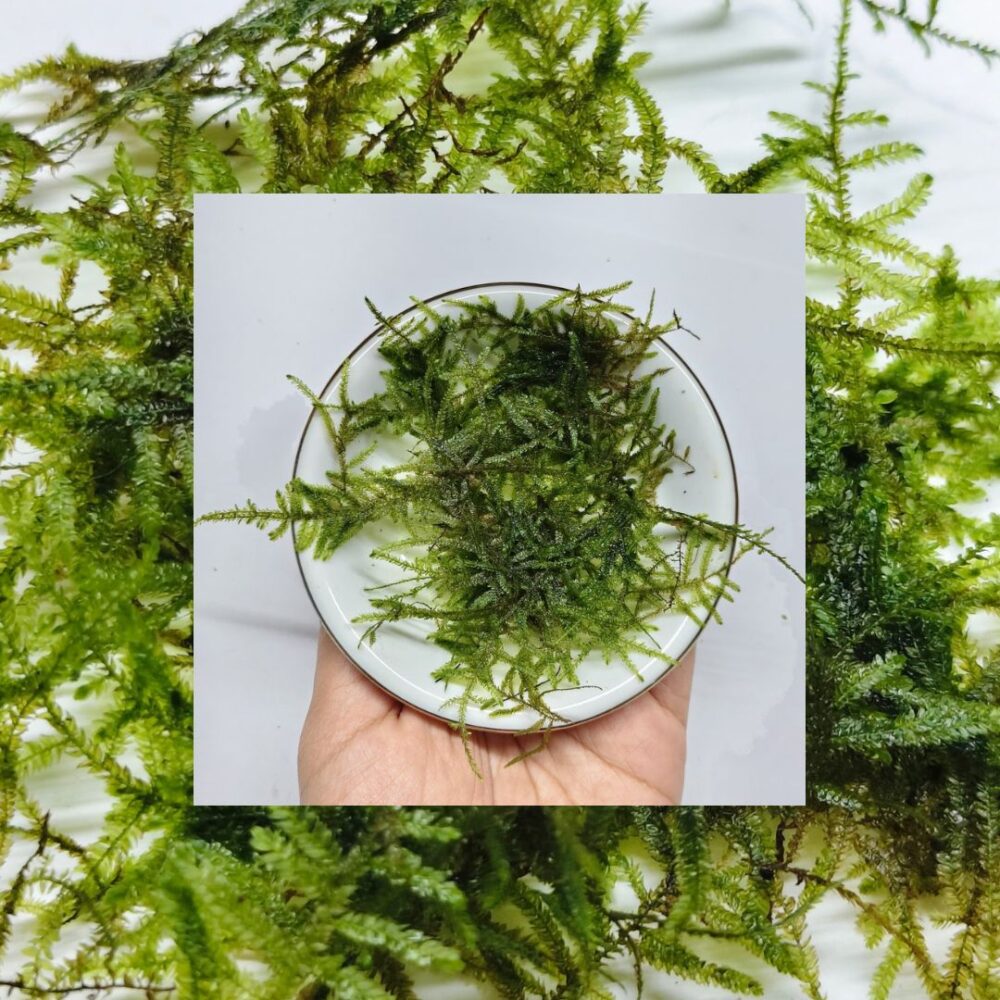
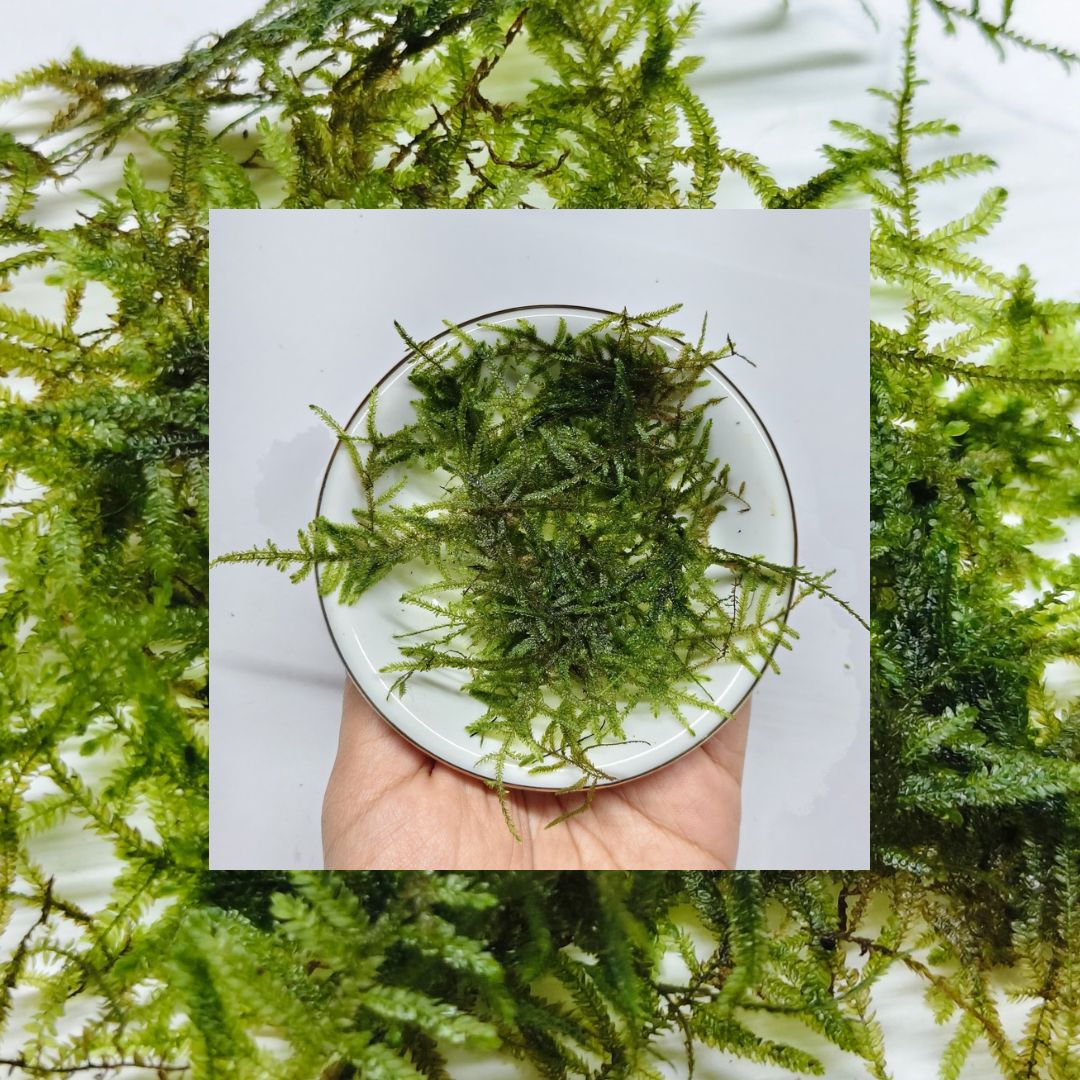
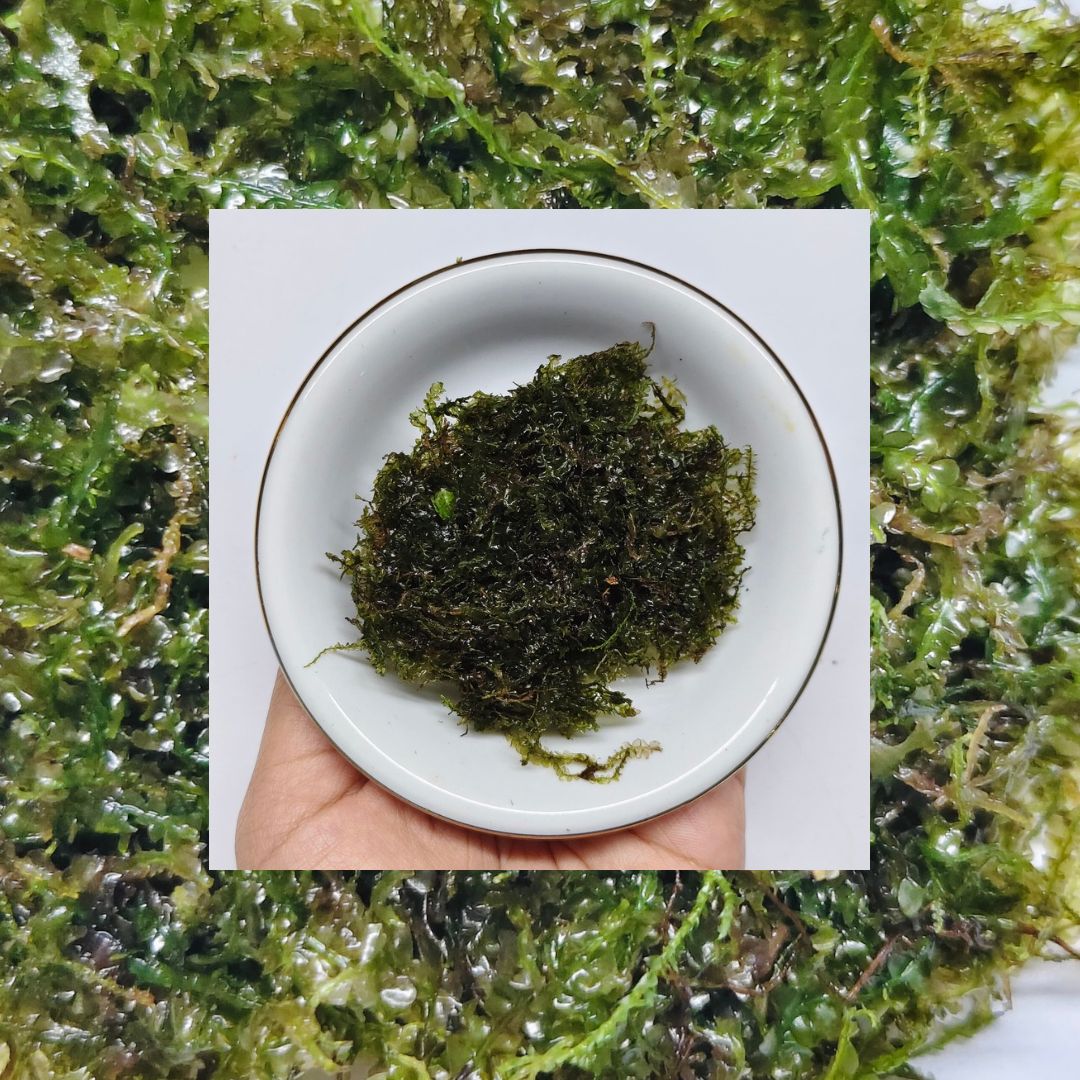
Rose Moss stands out for its spiraling leaf clusters that curl inward like tiny rose petals. This distinctive shape sets it apart from straighter or bushier moss varieties in the hobby. Aquascapers often use it as a focal accent rather than a background filler, since its pattern draws the eye immediately.
Why Choose Rose Moss for Your Aquarium
Rose Moss grows slowly but holds its curled shape with little intervention. This habit makes it ideal for detailed nature-style layouts where precision matters more than speed. Because of its compact, spiral growth, it works especially well attached to small rocks or driftwood knots as a standalone feature.
Key Benefits
- Spiral, rose-like texture — creates a distinctive focal point in any layout
- Slow, compact growth — holds its shape without frequent trimming
- Low maintenance — tolerates a range of water conditions
- Shelters fry and shrimp — curled clusters offer safe hiding spots
Care Tips for Rose Moss
This moss grows best in water temperatures between 68–76°F (20–24°C). It prefers moderate lighting and benefits from light CO2 supplementation, though it survives without it. Since it grows slowly, trimming isn’t needed often. When you do trim, do so carefully to preserve the curled leaf pattern that makes this moss distinctive.
Like other aquatic mosses, attach Rose Moss to driftwood, rocks, or mesh instead of burying it in substrate. It typically anchors itself within 5–7 weeks. For the right tools to complete your aquascape, browse our [Internal Link: aquarium supplies → /supplies].
Is Rose Moss Right for Beginners?
It suits beginners reasonably well, though patience matters more than with faster-growing mosses like Java Moss. The slow start pays off with a distinctive, detailed texture that few other plants offer. Browse our full plant and fish selection at [Internal Link: shop all products → /products] to get started.
The aquascaping community often documents moss species like this one for their role in supporting biofilm and microfauna growth. This, in turn, benefits shrimp colonies and fry. [Outbound Link: Aquascaping overview → https://en.wikipedia.org/wiki/Aquascaping]