
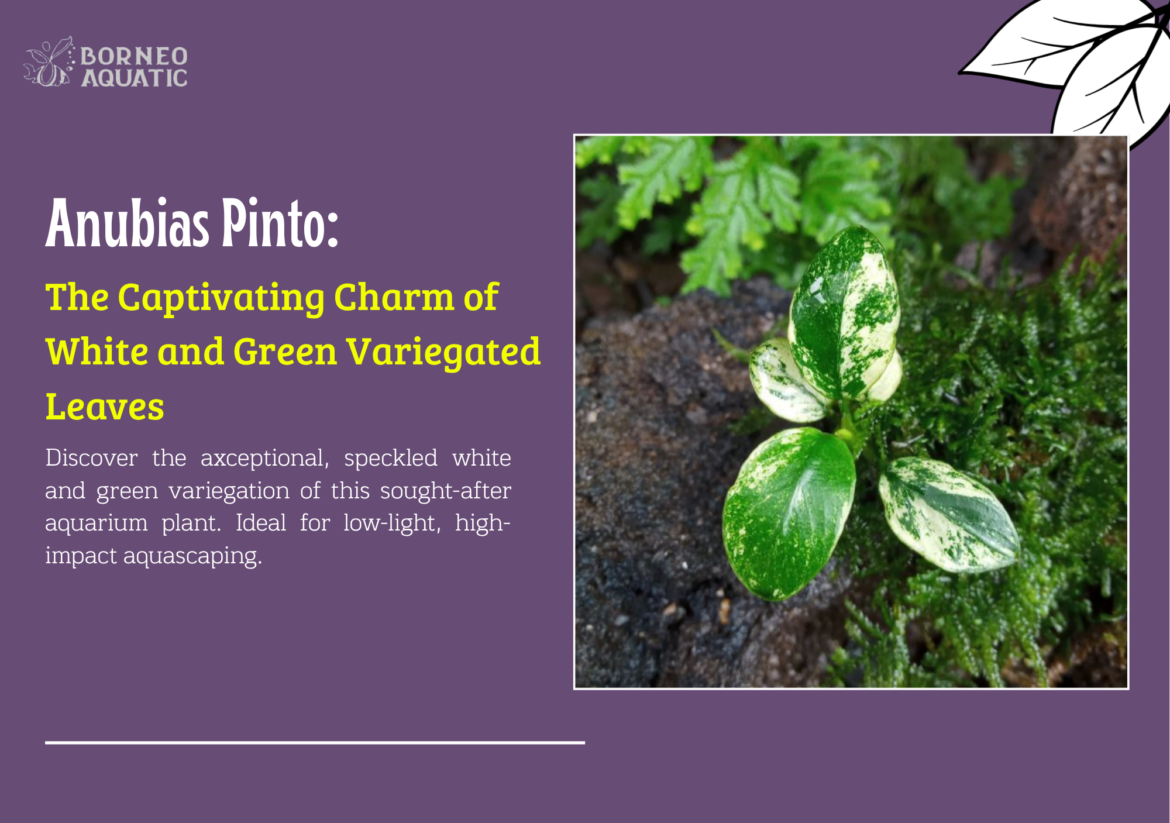
Aquascaping and freshwater aquarium design heavily rely on versatile plants to bring life, contrast, and character into underwater layouts. Among the wide variety of greenery available for aquascapers, Anubias pinto stands out as an exceptional choice. It brings delicate yet distinct leaf patterns and .
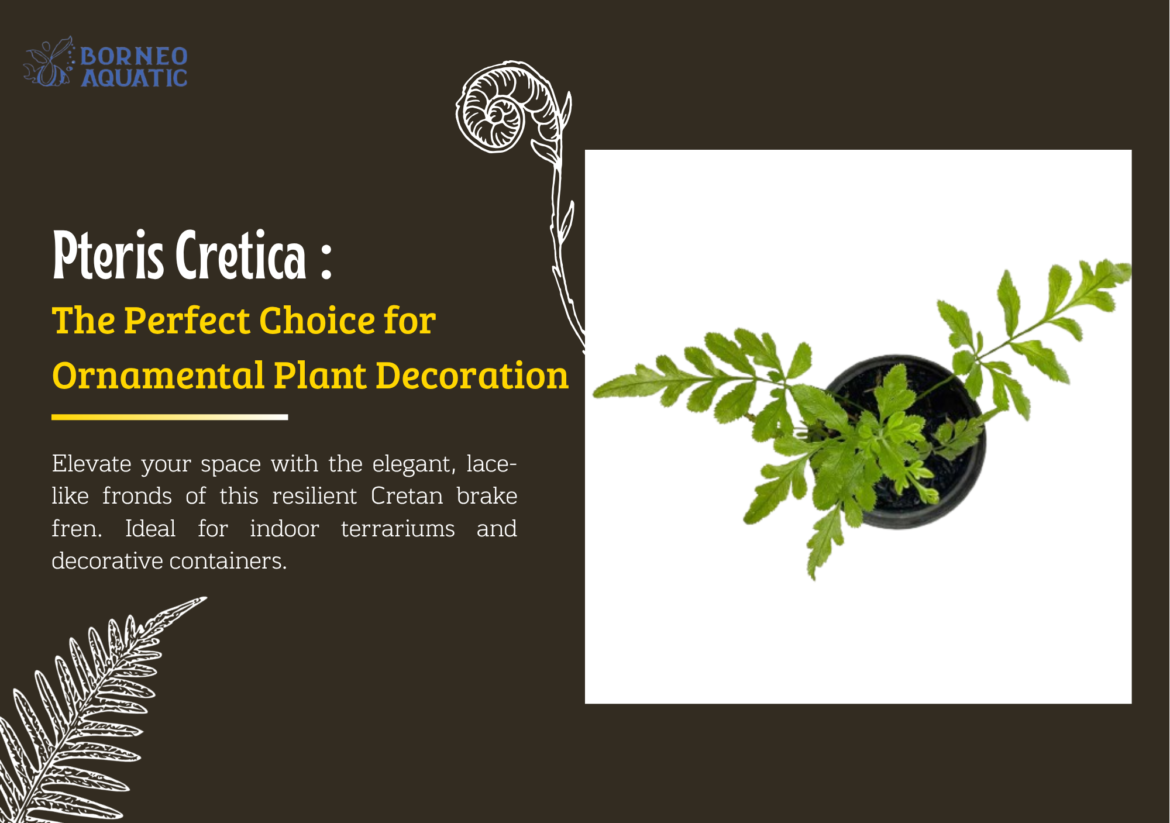
Interior design and gardening rely on versatile plants. Pteris cretica is an exceptional choice. It brings delicate texture and lush green depth to indoor spaces. Furthermore, it features a graceful growth form. Therefore, this species serves as the perfect choice for ornamental plant decoration. .
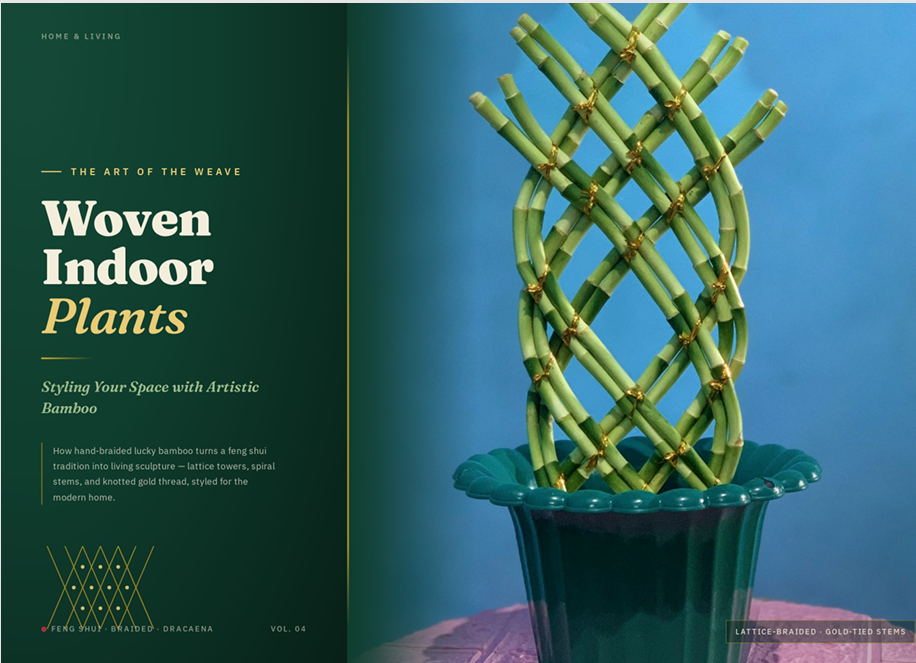
Image “A beautifully woven Green Lantern Lucky Bamboo arrangement in a minimalist pot” If you want to bring life into your home, woven indoor plants are the perfect choice. This resilient species is known as Dracaena sanderiana. It has been a staple of interior .
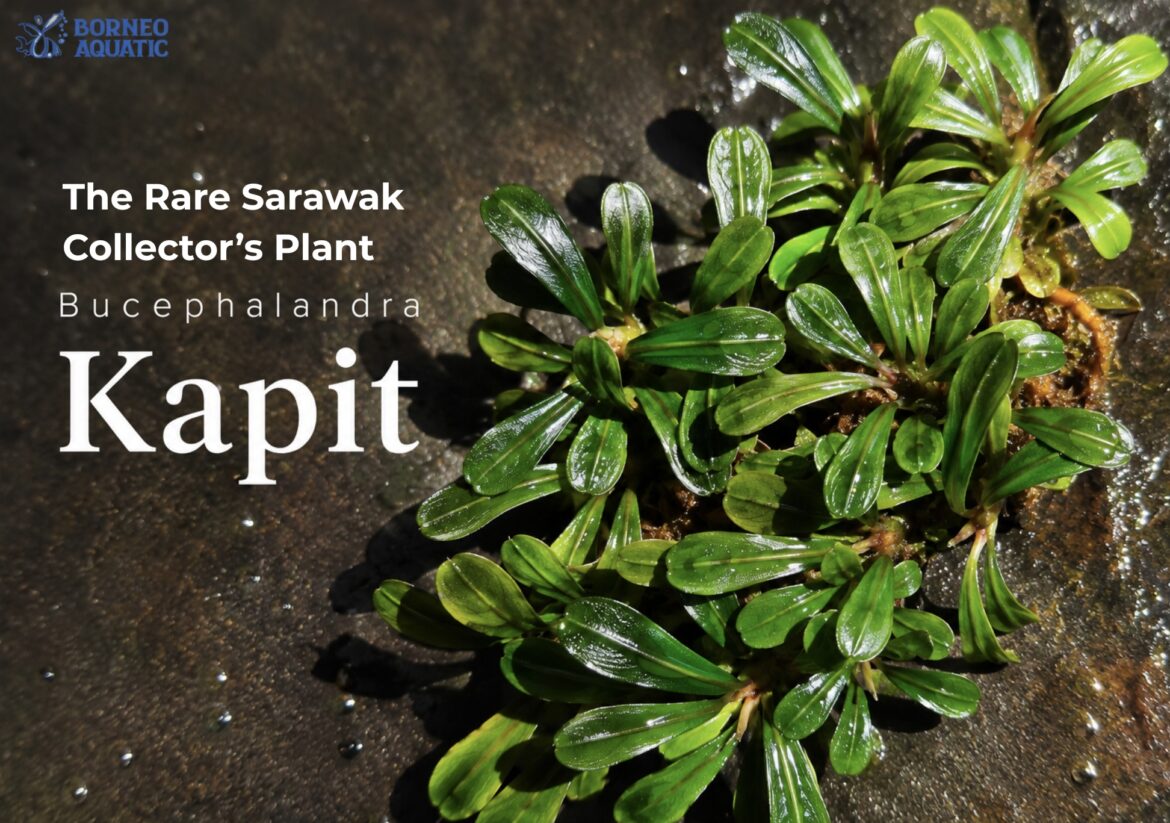
If you’ve spent any time in serious aquascaping circles, you’ve probably heard collectors whisper about Kapit before they’ve ever seen it in person. That’s the nature of this clone reputation travels faster than supply. In this guide, we’ll walk through where Bucephalandra Kapit actually .
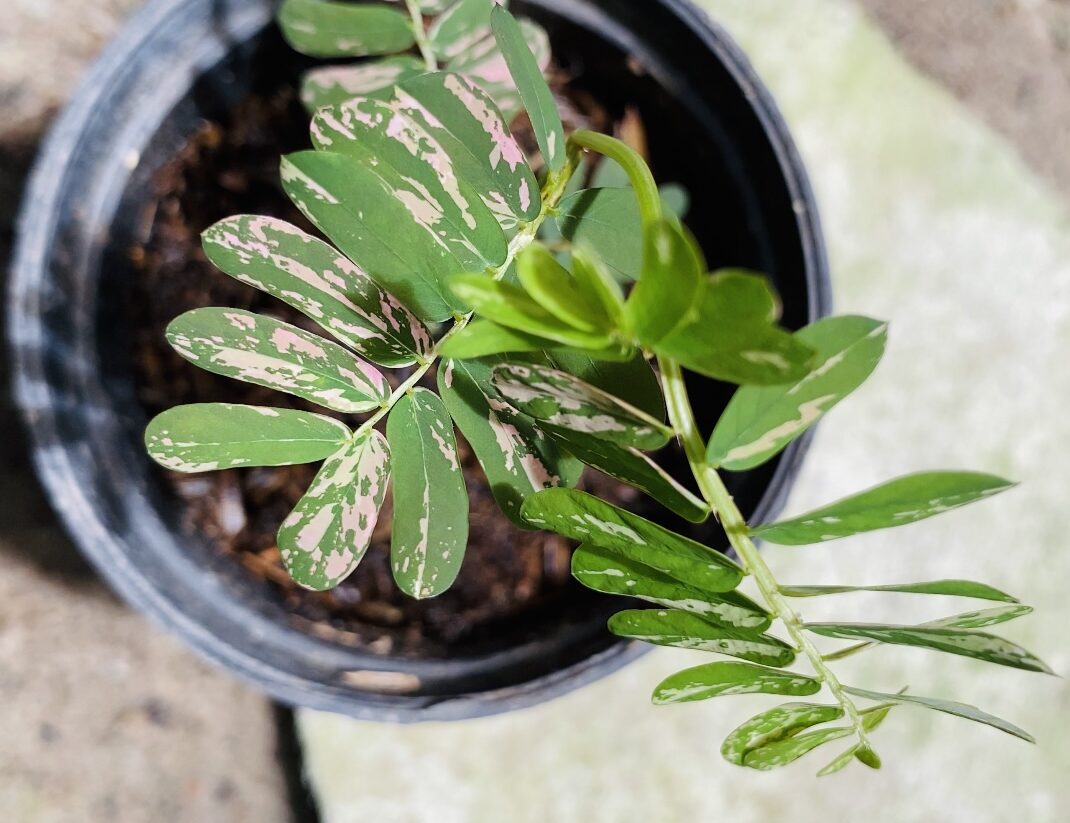
If you’re looking to bring a touch of wild, natural beauty into your aquascape,Phyllanthus urinaria might just be the plant you’ve been searching for. This delicate yet striking aquatic jungle plant has been gaining popularity among aquascaping enthusiasts for its fine, feathery stems and .

A Scientific Guide to Understanding Common Begonia Growing Mistakes Why Begonias fail to grow? Begonias are among the most visually striking ornamental plants, valued for their textured foliage, asymmetrical leaves, and vibrant coloration. Despite their popularity, many hobbyists and even experienced growers repeatedly struggle .

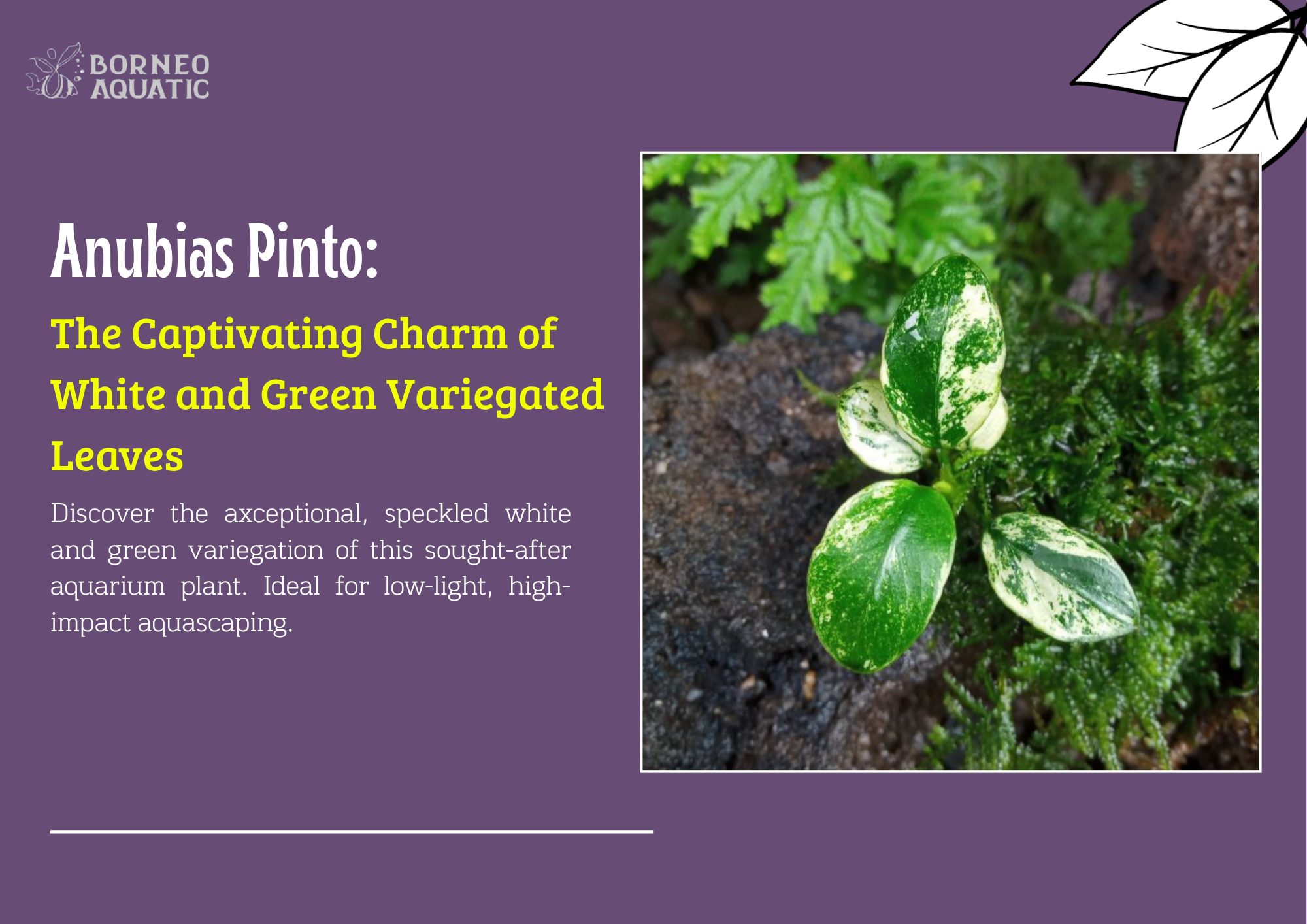
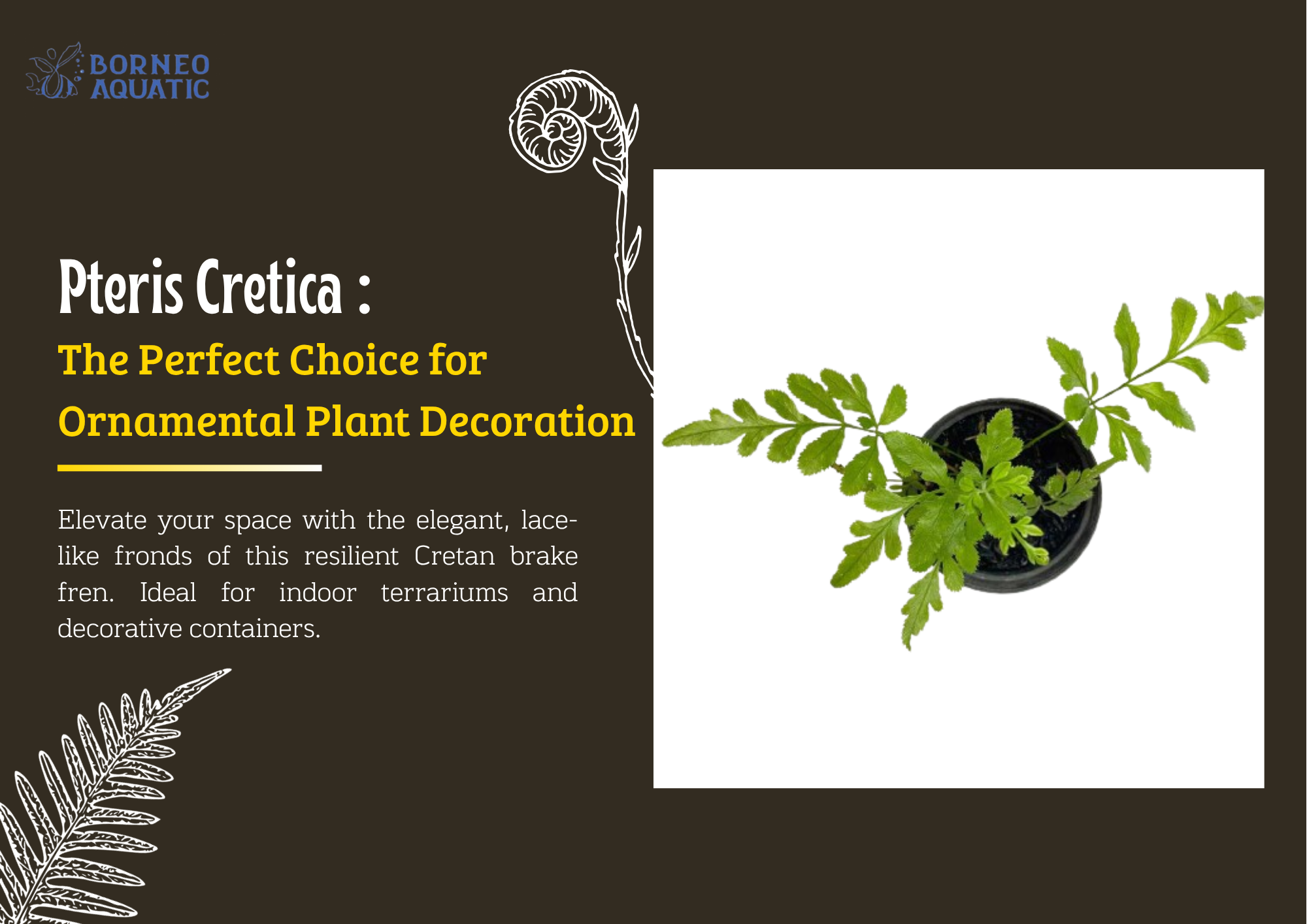
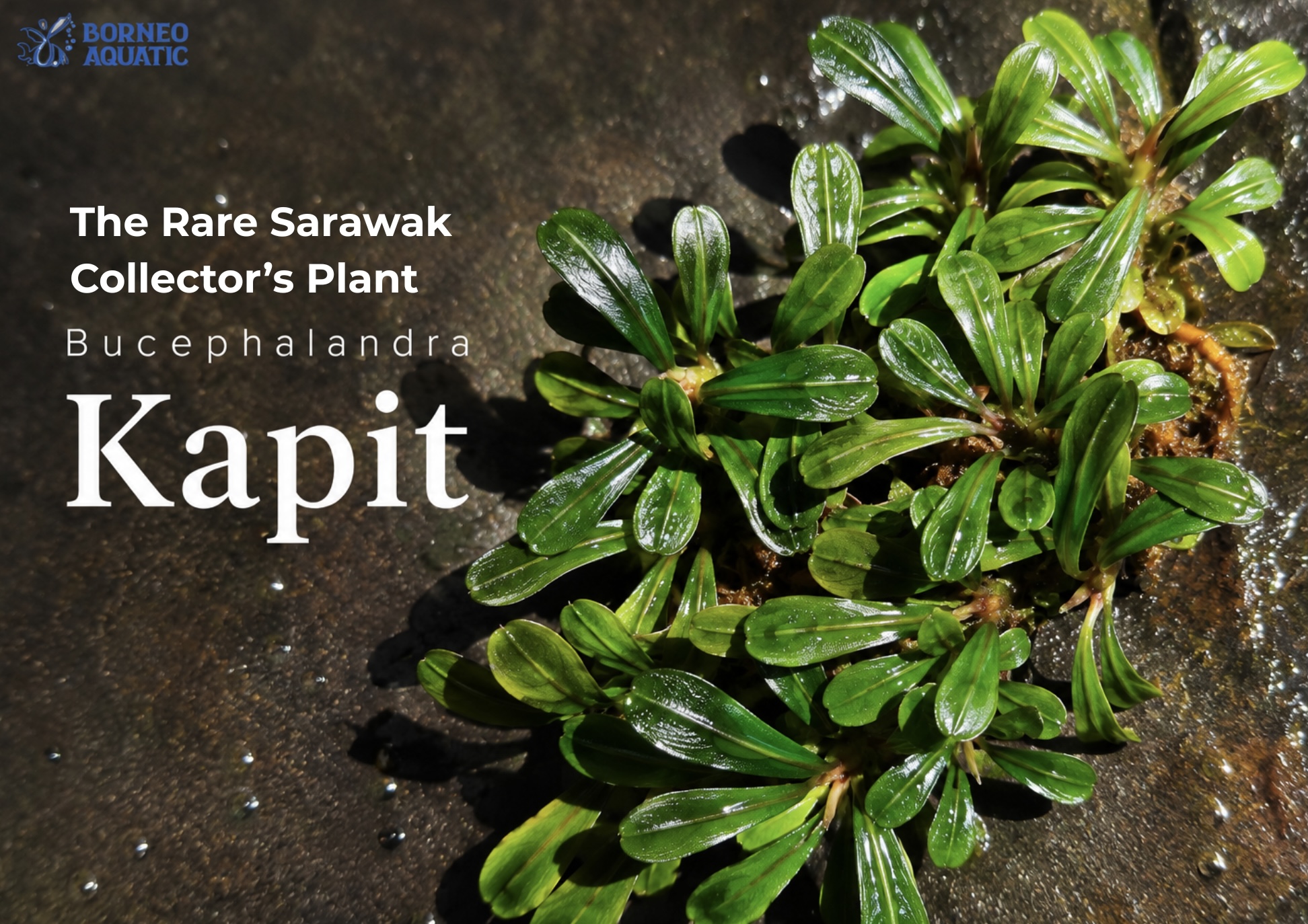
Aquatic vs. Terrarium Plants : Don’t Get the wrong one ! Misclassification between aquatic and terrarium plants is a recurrent issue in aquascaping, paludarium design, and controlled-environment horticulture. While many species appear morphologically similar in commercial settings—particularly when grown emersed—their physiological adaptations differ fundamentally. .