Begonia for Terrarium: 20 Borneo Species Worth Collecting
Terrarium builders who discover Indonesian Begonias rarely stop at one. The leaf shapes alone cover territory no other genus touches. You get iridescent metallics, deep maroon velvets, ferny fronds, and warty surfaces that look more mineral than plant. Borneo Aquatic (@borneoaquatic.plant) carries 20 endemic species from Indonesia. Each plant ships with a phytosanitary certificate and full legal export documents.
This is not a beginner list. These are collector-grade species. Several of them cannot be found anywhere else online. Every plant in this collection comes from Indonesian forests. Moreover, every order ships worldwide via DHL and EMS or
Browse the full Begonia collection at borneoaquatic.com before stock rotates.
The Showstoppers: Rare Begonia for Terrarium at the Top of Any Wishlist
Begonia rajah earns its reputation fast. The leaf surface carries a bronze-green shimmer over a quilted, textured pattern. It ranks among the most photographed Borneo Begonias in the collector world. It is also one of the more affordable entries on this list. Few terrarium plants get the same reaction from visitors.
Begonia ‘Black Blood’ sits at the premium end of the range. However, the visual impact fully justifies the cost. The leaves read as near-black under most light conditions. That depth works as a dramatic anchor in any high-humidity build. Stock sells out regularly. This reflects both high demand and the limited supply from source. Follow @borneoaquatic.plant for restock alerts.
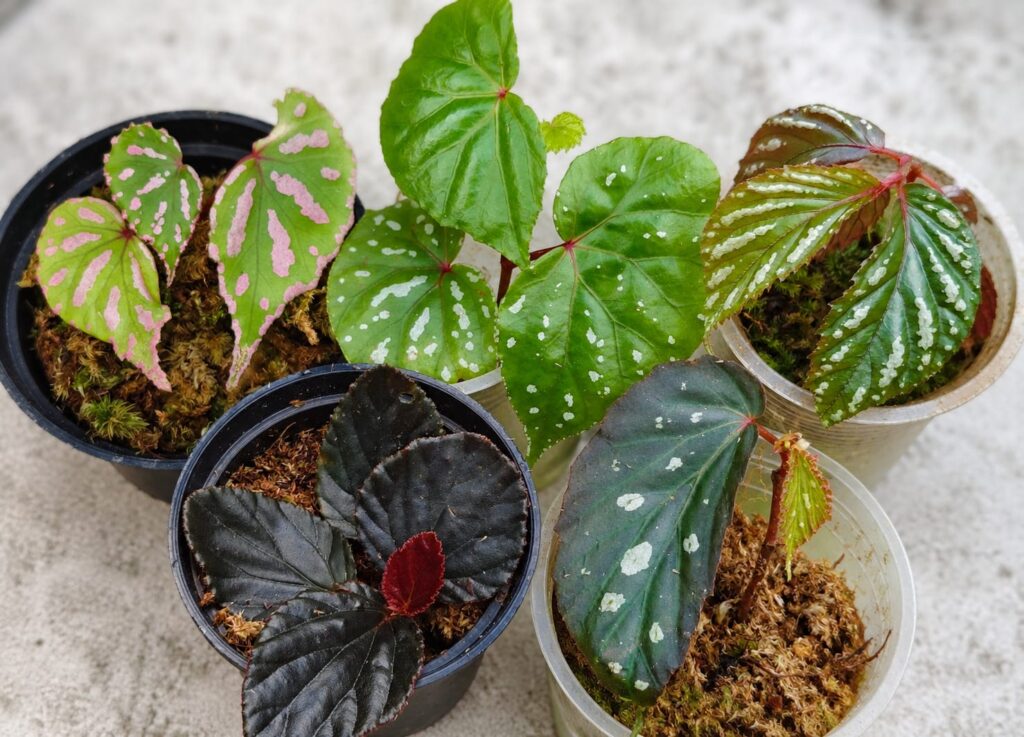
Next, consider Begonia ‘Blue Chrome’ and Begonia sp. Variegated Pink. These two represent the iridescent end of the collection. The Blue Chrome shifts between blue and silver depending on the viewing angle. That effect comes from the structure of the leaf surface itself, not from pigment. The Variegated Pink goes further still. It carries genuine variegation on a Borneo endemic. Pale pink sections break across green leaf tissue in patterns that differ between individual plants.
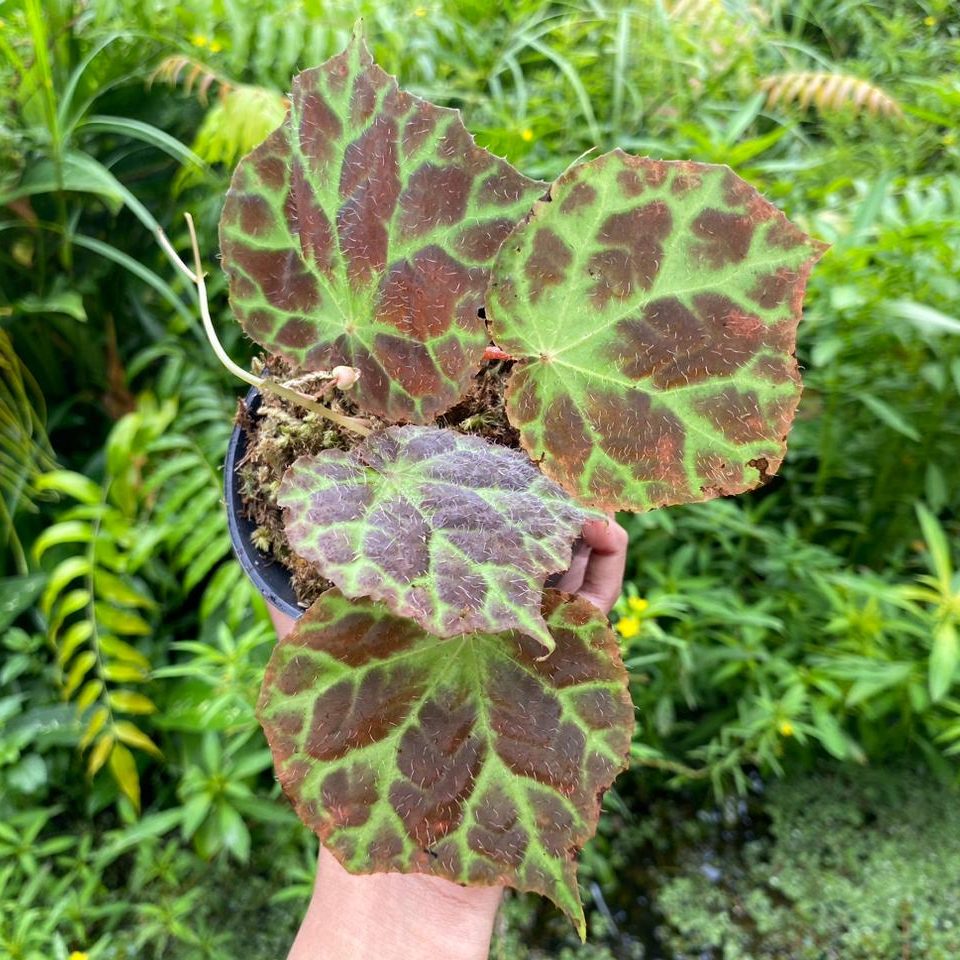
Begonia rajah. Bronze shimmer, quilted texture, endemic to Borneo.
Mid-Range Specimens: Strong Character Without the Collector Price
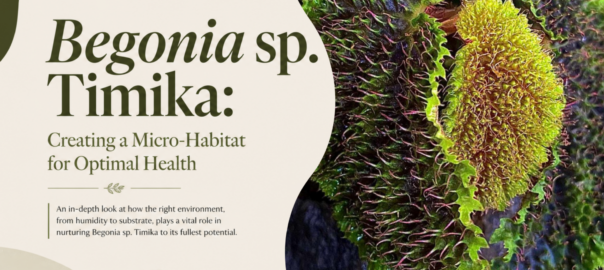
This tier contains some of the strongest all-round begonia for terrarium options in the range. Begonia sp. Timika comes from Papua rather than Borneo. That makes it a geographic outlier in the collection. As a result, it carries distinct leaf traits worth researching before you order.
Begonia sp. Lambi and Begonia sp. Lidi are long-standing catalogue entries. Both have proven track records among international collectors. Lambi offers broad, full leaves suited to mid-sized terrarium builds. Lidi runs thinner and more elongated, giving it a different architectural quality.
Furthermore, Begonia Sekadau and Begonia sp. Senai both come from Kalimantan. Their names tie directly to the districts where they were first collected. For collectors focused on provenance, these two stand out. Additionally, Begonia Rachmatii carries a name linked to its formal discovery. Academic literature exists on its identification, which puts it firmly in the documented new-species category.
Finally in this tier, Begonia Kapuas Huluensis takes its name from the Kapuas Hulu regency in West Kalimantan. That river system ranks among the most biodiverse in Southeast Asia. The Kapuas watershed has produced many new plant discoveries over the past two decades. This species is part of that record.
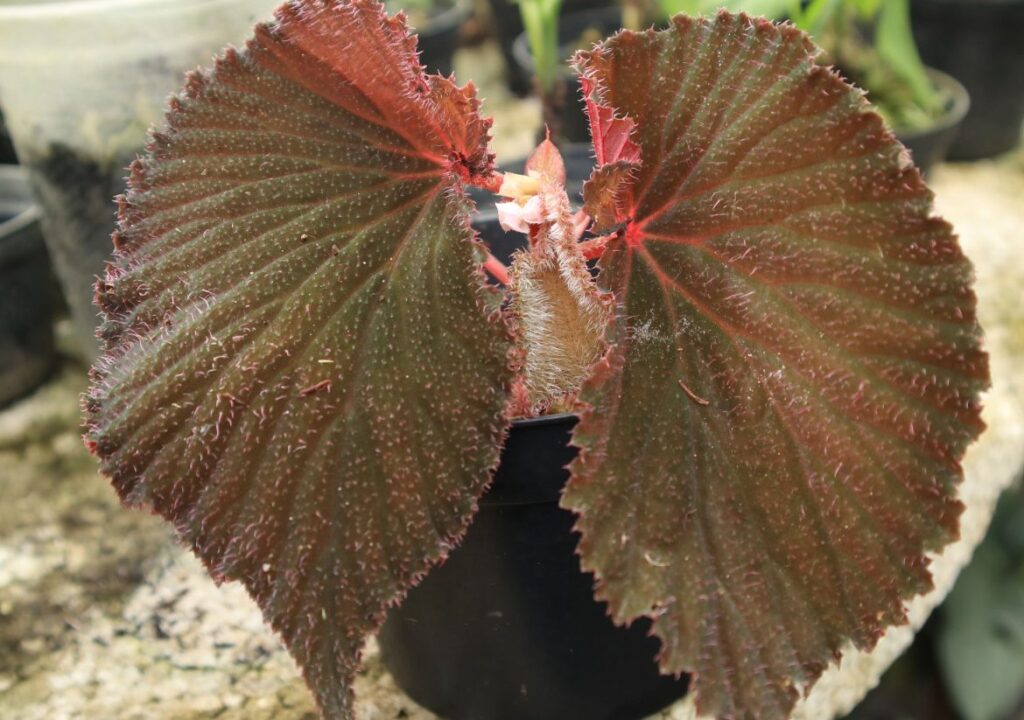
Lambi, Kapuas Huluensis. Named for the places they come from.
Entry-Level Picks: Begonia for Terrarium Beginners Can Rely On
Three species in this collection offer strong looks and a good entry point for new collectors. Begonia Bipinnatifida is the most unusual plant in the range. Its deeply divided, feathery leaves look nothing like a standard Begonia. The plant also thrives in the high-humidity conditions a closed terrarium creates naturally. It draws consistent attention from builders working on forest-floor setups.
Begonia sp. Green Hairy Sumatra comes from Sumatra rather than Borneo. It brings a hairy leaf surface that holds moisture differently from smooth-leaved species. Because of that, it works well as a companion plant in multi-species builds. Varied textures create visual depth across the terrarium floor.
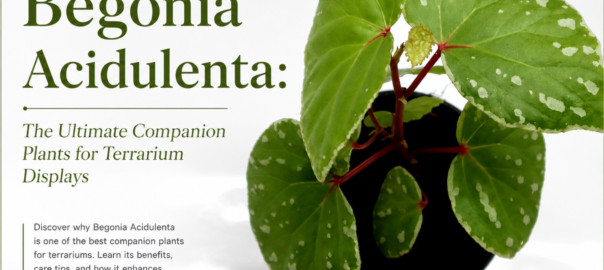
Begonia Acidulenta also goes by the name Begonia Uning. It has a clear species record rather than an unclassified sp. designation. That makes it straightforward to research before you buy. Kew’s Plants of the World Online carries confirmed records for easy reference.
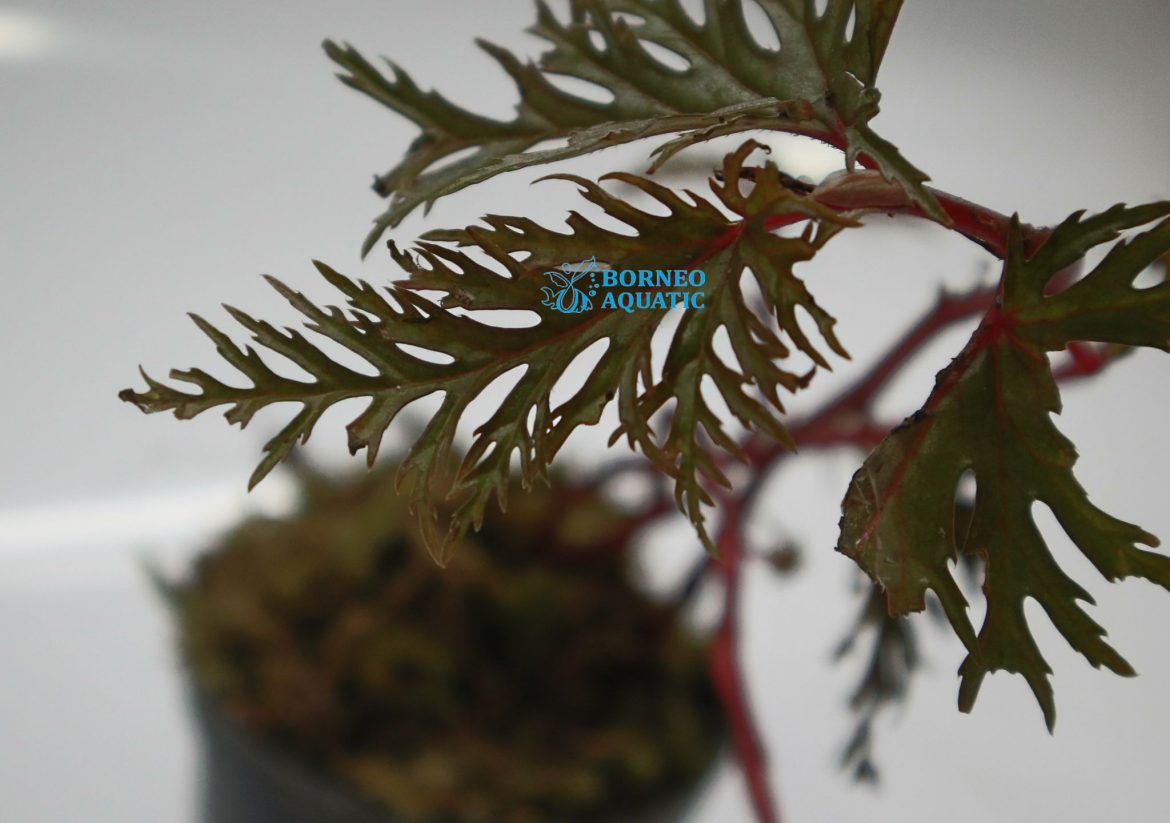
Begonia bipinnatifida. Feathery fronds, endemic to Borneo. Thrives in closed terrariums.
The Specialist Picks: Four Species for the Serious Collector
Begonia Lichenora takes its name from its lichen-like look in certain growing conditions. It comes from the Sarawak region. Its leaf texture also changes with humidity levels, which makes it a useful subject for anyone tracking plant behaviour in a controlled setup.
Begonia Tuberculosa carries a warty, raised surface on every leaf. That texture stays consistent across all growing conditions. It is one of the most tactile plants in the entire collection.
Begonia Amidalae and Begonia sp. Mantuk round out this tier. Mantuk comes from Central Kalimantan. Its leaf shape sits between the broad and elongated ends of the range. Amidalae, meanwhile, photographs especially well. That quality partly explains its presence across terrarium forums worldwide.
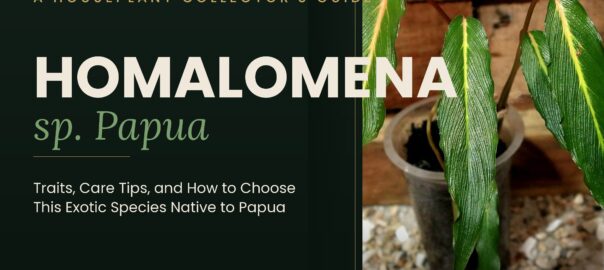
The newest entry is Begonia sp. Papua, listed in late 2025. It represents the most recent geographic origin in the catalogue. Borneo Aquatic has been expanding its Papua sourcing steadily. This species is an early sign of that direction.
For context on the broader genus, the American Begonia Society maintains clear resources on species classification and care.
You Might Also Want to Read
Bucephalandra Care Guide: Everything Beginners Need — borneoaquatic.com
Cryptocoryne Species: The Definitive Grower’s Guide — borneoaquatic.com
Rare Jungle Plants from Borneo: A Collector’s Introduction — borneoaquatic.com
Order Your Begonia for Terrarium from Borneo Aquatic
The full Begonia collection is available now at borneoaquatic.com/product-tag/begonia. All plants ship worldwide via DHL and EMS. Every order includes a phytosanitary certificate at no extra cost. Wholesale pricing applies to orders above $1,000. Pay via PayPal, bank transfer, or Wise. Contact the team at borneoaquatic2019@gmail.com or WhatsApp for sold-out species availability. Follow @borneoaquatic.plant on Instagram for restock updates and new arrivals.
FAQ
Q: Which begonia for terrarium is best for beginners?
A: Begonia bipinnatifida is the most reliable starting point. Its feathery, divided leaves thrive in the high-humidity conditions of a closed terrarium. It also needs less precise care than collector species like Begonia rajah or Begonia Blue Chrome.
Q: Do all Borneo Aquatic Begonias ship internationally?
A: Yes. All begonia for terrarium species ship worldwide via DHL and EMS. Every order includes a phytosanitary certificate. Buyers whose countries require an import license must arrange that independently before ordering.
Q: What makes Indonesian endemic Begonias different from common houseplant types?
A: Indonesian endemic Begonias come from specific locations across Borneo, Sumatra, and Papua. Their traits are unique to those populations and hard to find elsewhere. Several species carry names tied to their discovery site or collector, placing them in formal botanical records rather than the mass-market plant trade.
Q: Can Begonia species be mixed in the same terrarium?
A: Yes. Many collectors combine species from this range. Pairing contrasting textures, such as smooth Begonia sp. Senai with warty Begonia tuberculosa, creates visual depth. High-humidity conditions suit every species in this collection equally.
Q: Is Begonia rajah still available at Borneo Aquatic?
A: Begonia rajah is listed at $34.95 and currently available to add to cart. Stock levels change often for rare endemic species. Following @borneoaquatic.plant on Instagram is the fastest way to catch availability updates.
Sources of Photos
@borneoaquatic.plant — Instagram
Borneo Aquatic Documentation — borneoaquatic.com