Homonoia Riparia in Borneo
The river teak of the world’s third-largest island — ecology, Dayak ethnobotany, and the future of Borneo’s riparian corridors
Kalimantan · Sarawak · Sabah · BruneiFamily EuphorbiaceaeRiparian shrub
Introduction
Borneo — the world’s third-largest island and one of the most biodiverse places on Earth — is home to a river network of extraordinary complexity. Thousands of rivers and streams thread through its mountains, peatlands, and coastal lowlands, and along the banks of virtually all of them grows a familiar, unassuming presence: Homonoia riparia.
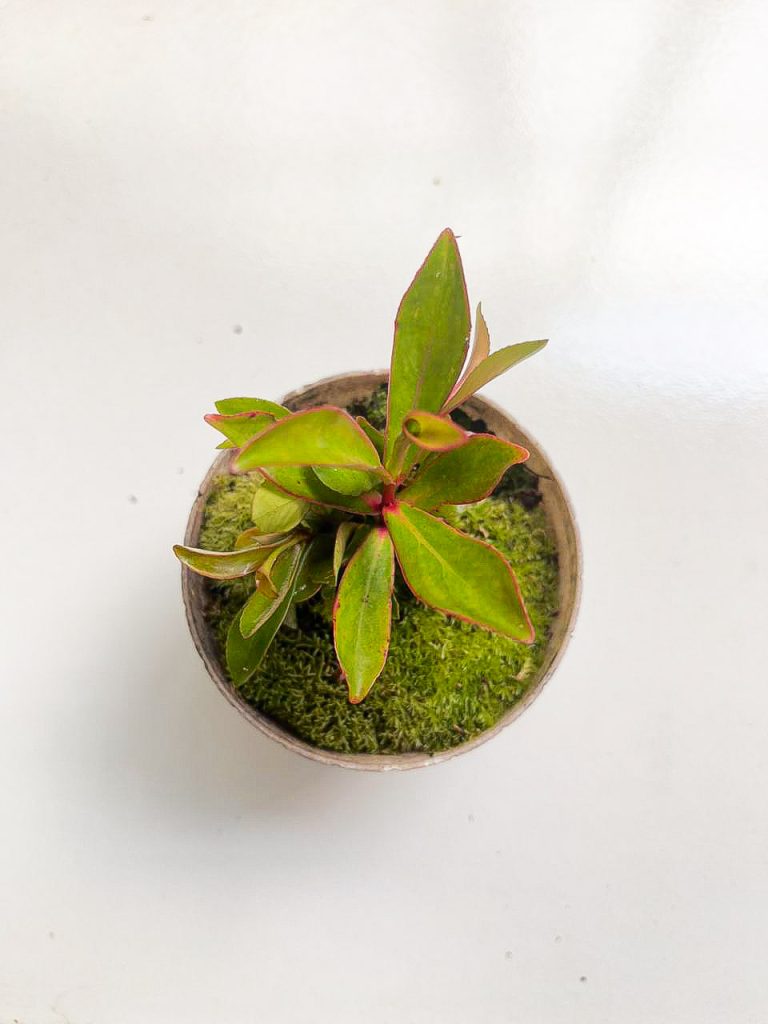
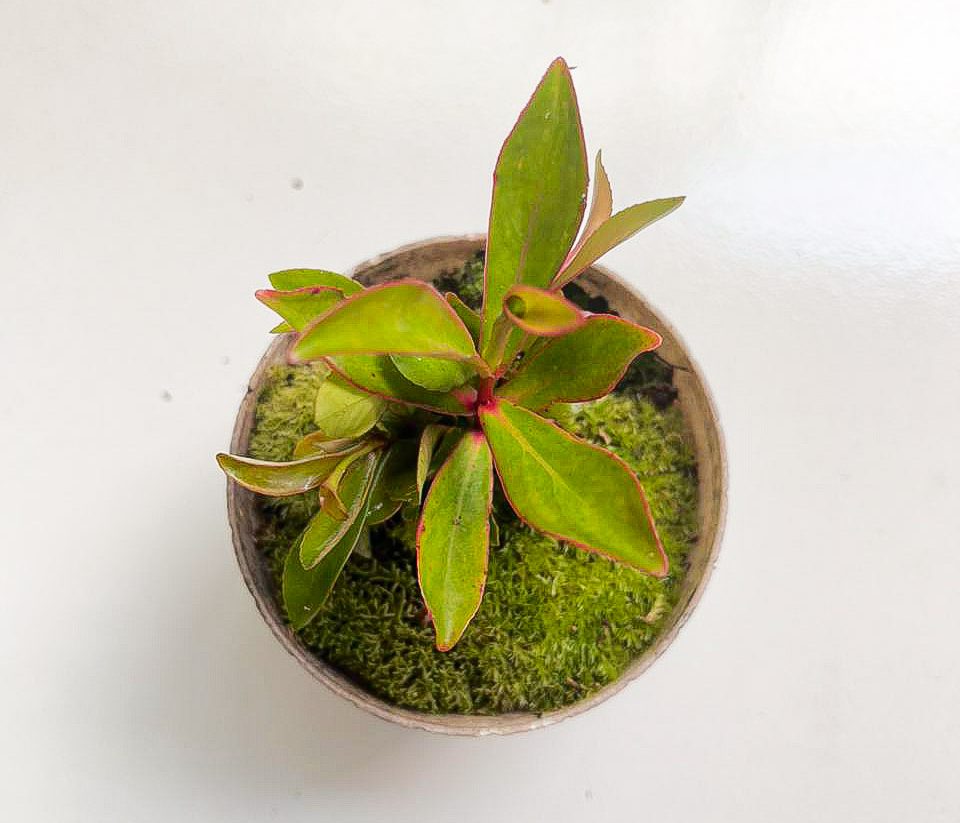
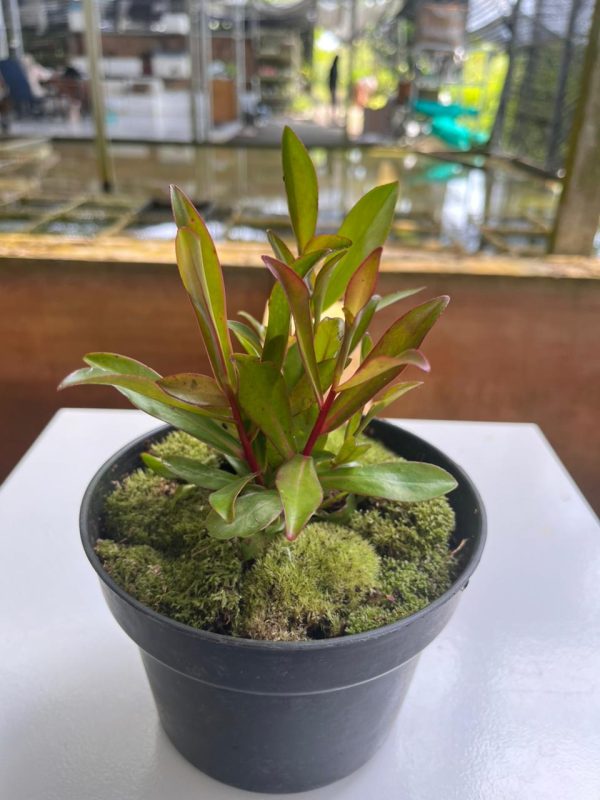
Known as the river teak or wild willow, H. riparia is one of the most consistently distributed plants in Borneo’s riparian landscape. It does not demand attention — it does not produce spectacular flowers or towering canopy — but its ecological role is foundational. Wherever a bank is stable, wherever fish shelter in the shadows of overhanging roots, wherever a community has planted something to stop the earth sliding into the river, H. riparia is almost certainly involved.
In Borneo’s river economy — ecological, cultural, and economic — Homonoia riparia is one of the quietest but most consequential participants.
Distribution across Borneo’s river systems
The plant’s distribution follows Borneo’s hydrology almost perfectly. It colonises the alluvial margins of rivers large and small, from the great arteries of Kalimantan to the swift upland streams of Sarawak and Sabah.
- Central Kalimantan
Mentaya & Katingan
Dense stands on alluvial banks throughout the lowland peatland zone. Among the most intact riparian populations on the island.
- West Kalimantan
Kapuas River
Indonesia’s longest river at ~1,143 km. H. riparia lines the bank margins continuously across much of its lowland course.
- East Kalimantan
Mahakam River
Abundant through the middle and lower Mahakam. Recognised by local Kutai communities as a traditional bank-stabilisation plant.
- Sarawak, Malaysia
Rejang & Baram
Common in Iban and Penan river territories. Less well-documented than Kalimantan populations but consistently recorded by botanical surveys.
- Sabah, Malaysia
Kinabatangan
Present in the lower Kinabatangan floodplain — one of Borneo’s most important wildlife corridors. Contributes to bank structure in orangutan habitat.
- Brunei
Brunei & Belait rivers
Recorded in intact riparian forest margins. Brunei’s high forest cover means many populations remain relatively undisturbed.
Ecology in Borneo’s river systems
H. riparia occupies the transitional zone between land and water — the few metres of saturated, frequently inundated soil at the river’s edge that most plants cannot tolerate. Its roots bind the alluvial sediment that Borneo’s rivers deposit and erode seasonally, and its overhanging canopy creates the shaded, cool microhabitat that Borneo’s freshwater fish communities depend on for shelter and spawning.
In Borneo’s peatland river systems — some of the most carbon-dense ecosystems on the planet — the plant plays an additional role as part of the vegetative cover that slows surface water flow, reduces oxidation of exposed peat, and maintains the water table stability that keeps peatlands intact. Its removal, as occurs with bank conversion for oil palm, accelerates the cascade of peat degradation that has become one of Borneo’s most serious environmental challenges.
Dayak ethnobotany
Among the Dayak peoples — the collective term for the indigenous communities of Borneo’s interior — H. riparia occupies a modest but consistent place in traditional ecological knowledge. Its uses vary by community and region, but several applications are documented across multiple Dayak groups in Kalimantan.
- Wound and skin treatment Traditional medicine
Leaves are pounded and applied as a poultice for wounds, skin irritations, and rashes. Some Dayak Ngaju communities use a decoction of the bark for infections. The antimicrobial properties suggested by these uses have attracted some phytochemical interest.
- Fever and inflammation Traditional medicine
Bark decoctions are recorded among Dayak communities in Central and South Kalimantan as a treatment for fever. Root preparations have also been documented for rheumatic pain relief.
- Bank protection and land management Ecological practice
Communities along the Kapuas, Mahakam, and Mentaya rivers have long planted cuttings of H. riparia to stabilise agricultural land adjacent to riverbanks. This practice — propagation from semi-hardwood cuttings pushed directly into moist bank soil — is simple, reliable, and costs nothing.
- Fisheries stewardship Conservation practice
Fishing communities on the Kapuas and Mahakam recognise stands of riparian vegetation — including H. riparia — as productive fishing grounds. Some traditional fishing rules (adat) prohibit clearing vegetation in these zones, effectively functioning as informal riparian buffer protection.
- Forage and livestock use Agricultural
In some areas, the leaves are used as supplementary fodder for goats and cattle. This dual-purpose role — bank stabilisation and livestock feed — makes it a practical choice in mixed farming landscapes near rivers.
Threats to Borneo’s riparian populations
- Oil palm expansion
The single largest driver of riparian vegetation loss in Kalimantan and Sarawak. Plantations frequently extend to the river’s edge, removing bank vegetation entirely.
- Sand and gravel mining
Riverbed and bank mining is widespread across Borneo’s rivers. It physically destroys the alluvial substrate H. riparia depends on and destabilises adjacent banks.
- River channelisation
Flood control infrastructure straightens rivers and hardens banks with concrete or rip-rap, eliminating the natural alluvial margins where riparian plants establish.
- Coal mining runoff
In East and South Kalimantan, acid mine drainage from coal operations alters river chemistry and sediment loads, stressing riparian vegetation along affected reaches.
Conservation and restoration
Despite these pressures, H. riparia remains common across Borneo’s less-disturbed river systems, and its ease of propagation makes it a practical tool in restoration work. Indonesian government programmes and international conservation organisations — including those working in the Mahakam, Kapuas, and Kinabatangan floodplains — now routinely include it in riparian replanting mixes.
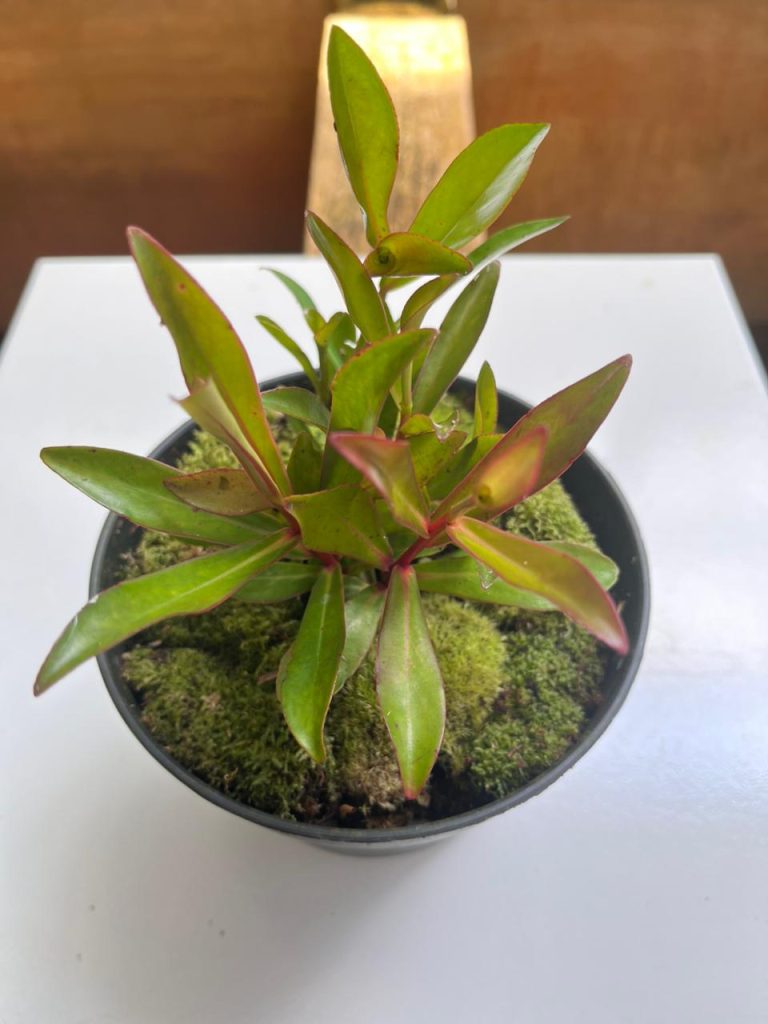
In Central Kalimantan, post-mining and post-fire peatland restoration projects have used H. riparia as an early coloniser along restored canal and stream margins, where its tolerance for waterlogged conditions and rapid establishment from cuttings make it particularly valuable. Its presence on a restored bank is often the first visible sign that the riverine ecosystem is beginning to recover.
It asks only for a bank, a river, and to be left alone. Where those conditions are met, Homonoia riparia will do the rest.