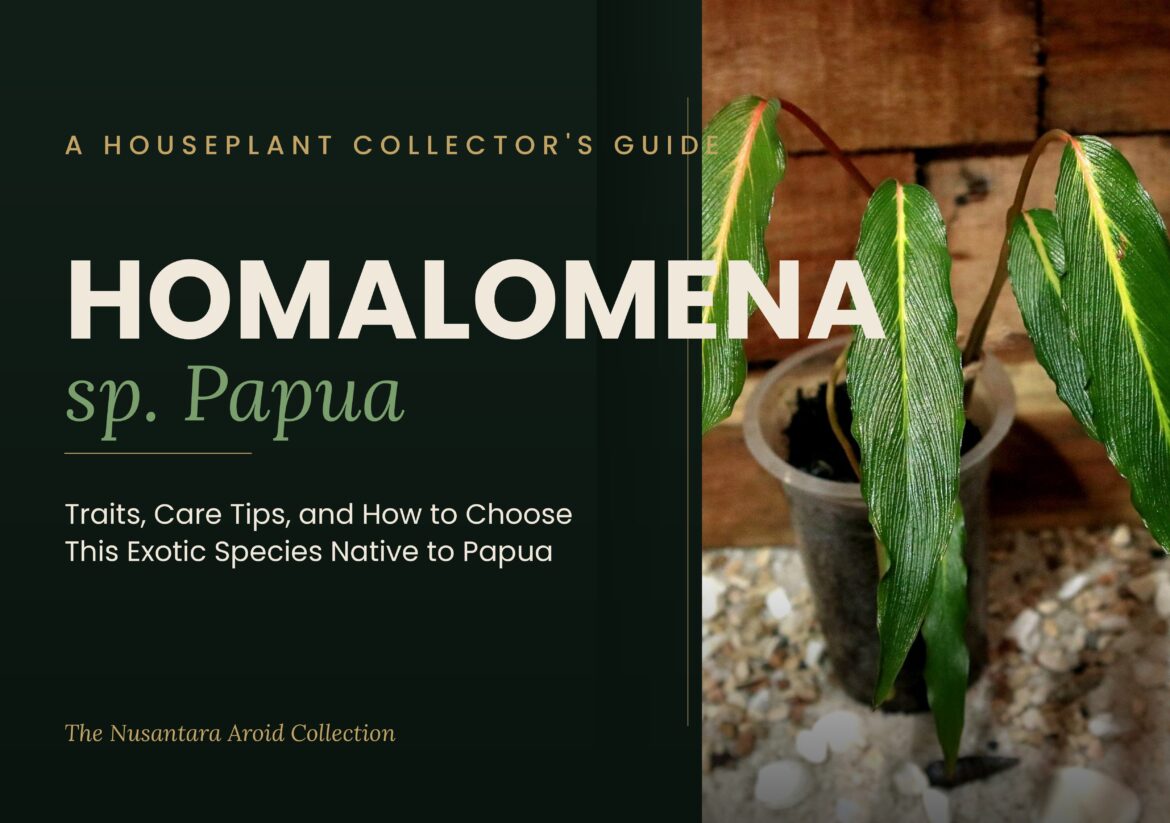
Homalomena sp Papua: The Exotic Houseplant Every Collector Should Know
Homalomena sp Papua is one of Indonesia’s native ornamental plants that has recently gained popularity among aroid enthusiasts. Its distinctive leaf shape, unique surface texture, and origin in the tropical forests of Papua give this plant special value among collectors, whether beginners or seasoned hobbyists. This article covers the key traits, care requirements, and buying tips for Homalomena sp Papua so your plant investment doesn’t go to waste.
What Is Homalomena sp Papua?
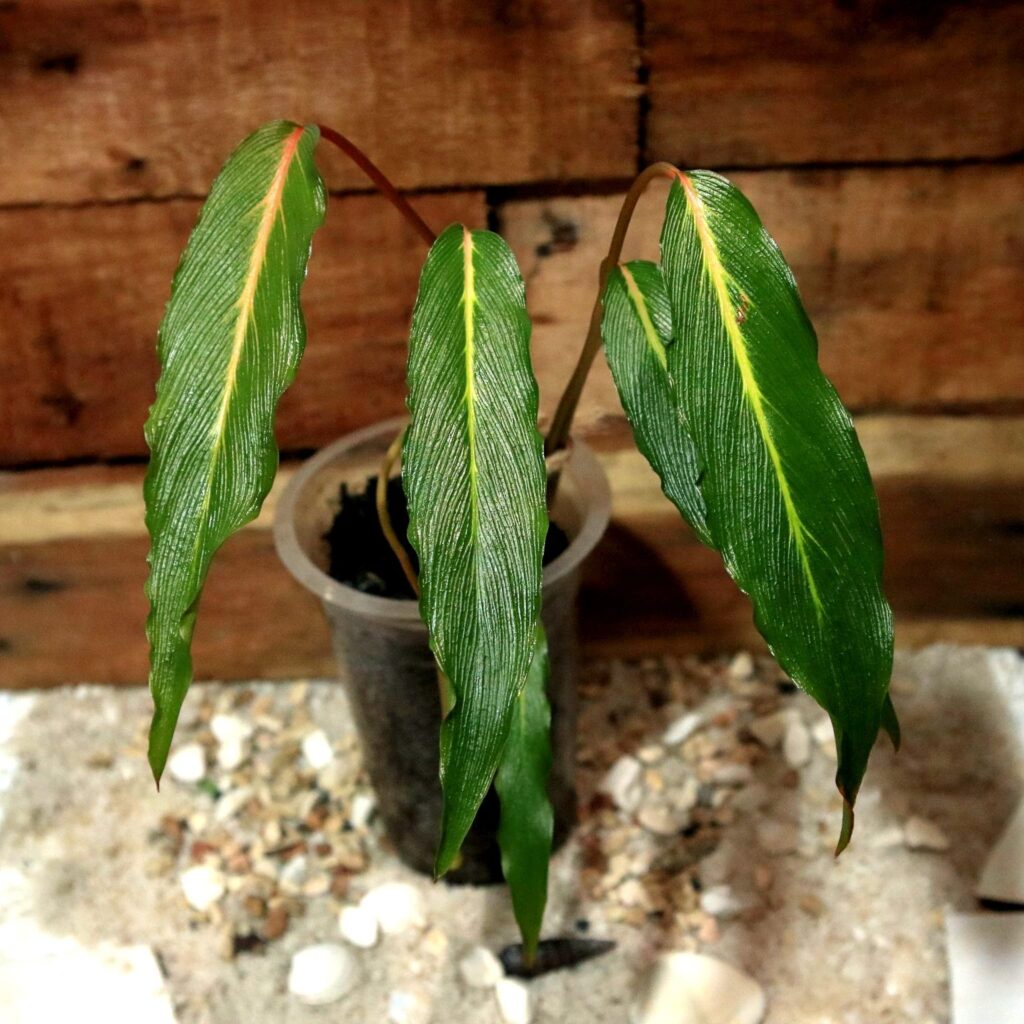
Homalomena is a genus in the Araceae family, the same family as aglaonema, philodendron, and monstera. This particular species from Papua is often sold under the “sp” (species) label because its precise taxonomic identification is not yet fully standardized among sellers or amateur researchers. What sets Homalomena sp Papua apart from other homalomena varieties includes:
- Thick leaves with a glossy or slightly velvety texture, depending on the variant
- Prominent veins that contrast sharply with the leaf’s base color
- Relatively compact growth, suitable for indoor pots or semi-shaded outdoor areas
- Short stems with a strong rhizome root system
Because it originates from humid tropical rainforests, this plant is accustomed to growing under the canopy of large trees, meaning it doesn’t tolerate intense direct sunlight well.
What Makes Homalomena sp Papua So Sought-After
Several reasons this plant commands a higher price than common homalomena varieties include:
- Rarity – it hasn’t been mass-cultivated yet, so supply on the market remains limited.
- Unique leaf patterns – each individual plant can display slightly different variegation or motifs.
- High resilience – despite its exotic look, Homalomena sp Papua is fairly tolerant of indoor conditions compared to other, more finicky aroids.
- Collector value – within the houseplant community, species native to Papua are often considered more exclusive and therefore more valuable.
How to Care for Homalomena sp Papua
Light Requirements
This plant thrives best in bright, indirect light. Avoid direct midday sun, as it can scorch or fade the leaves. If grown indoors, place it near a window that doesn’t receive direct sunlight, or keep it about 1-2 meters away from intense light sources.
Growing Medium
Use a porous, organic-rich potting mix, such as a combination of:
- Burnt rice husk
- Coco peat or chopped fern fiber
- Well-composted organic matter or manure
- A small amount of coarse sand (Malang sand or perlite) for drainage
This mix mimics the loose, moisture-retentive forest floor conditions the plant is naturally adapted to.
Watering and Humidity
Homalomena sp Papua loves high humidity but doesn’t tolerate waterlogged soil. Water when the top layer of the growing medium starts to dry out, typically every 2-3 days depending on room temperature. To maintain humidity, you can:
- Mist the leaves regularly
- Place a humidifier near the plant
- Group several plants together to create a more humid microclimate
Fertilizing
Apply liquid fertilizer or slow-release fertilizer every 2-4 weeks during the active growing season. Avoid over-fertilizing, as it can burn the roots, especially in recently repotted plants.
Propagation Methods
Homalomena sp Papua can be propagated through:
- Division – the most common and safest method, done once the mother plant is mature enough and has produced several offshoots around its rhizome.
- Stem cuttings – less common due to the plant’s short stems, but still possible if a stem section contains a viable growth node.
Propagate during the rainy season or when humidity levels are naturally high to speed up the offshoots’ adaptation process.
Tips for Choosing a Healthy Homalomena sp Papua
Before buying, check the following to avoid picking a poor specimen:
- Make sure the leaves have no brown spots, excessive yellowing, or signs of rot
- Inspect the base of the stem and roots — avoid anything that looks mushy or has a foul smell
- Ask the seller about the plant’s origin: tissue-cultured, wild-collected, or self-propagated
- Check the seller’s reputation, especially when buying online, to avoid scams or mislabeled plants
Conclusion
Homalomena sp Papua is an excellent choice for anyone looking to add something unique yet manageable to their houseplant collection. With indirect light, a porous growing medium, consistent humidity, and regular fertilizing, this plant can thrive both indoors and outdoors. Before you buy, always check the plant’s physical condition and the seller’s reputation so the Homalomena sp Papua you bring home is truly healthy and meets your expectations.