Ficus villosa Care Guide: How to Grow and Maintain This Unique Climbing Plant
Introduction to Ficus villosa
Ficus villosa is a distinctive tropical climbing and creeping plant admired for its textured foliage and soft, fuzzy appearance. Unlike many common ornamental plants grown primarily for their flowers, this species stands out because of its unique leaves and natural climbing habit.
As a member of the fig genus, Ficus, it is related to other familiar plants such as creeping figs and rubber plants. However, Ficus villosa has its own character, making it an interesting choice for plant collectors, terrarium enthusiasts, and anyone looking to create a more natural-looking tropical display.
Its creeping growth habit allows it to spread across suitable surfaces, making it especially appealing for vertical arrangements and planted enclosures. With the right growing conditions, Ficus villosa can become a beautiful addition to a collection of tropical foliage plants.
What Makes Ficus villosa Special?
1. Distinctive Textured Leaves
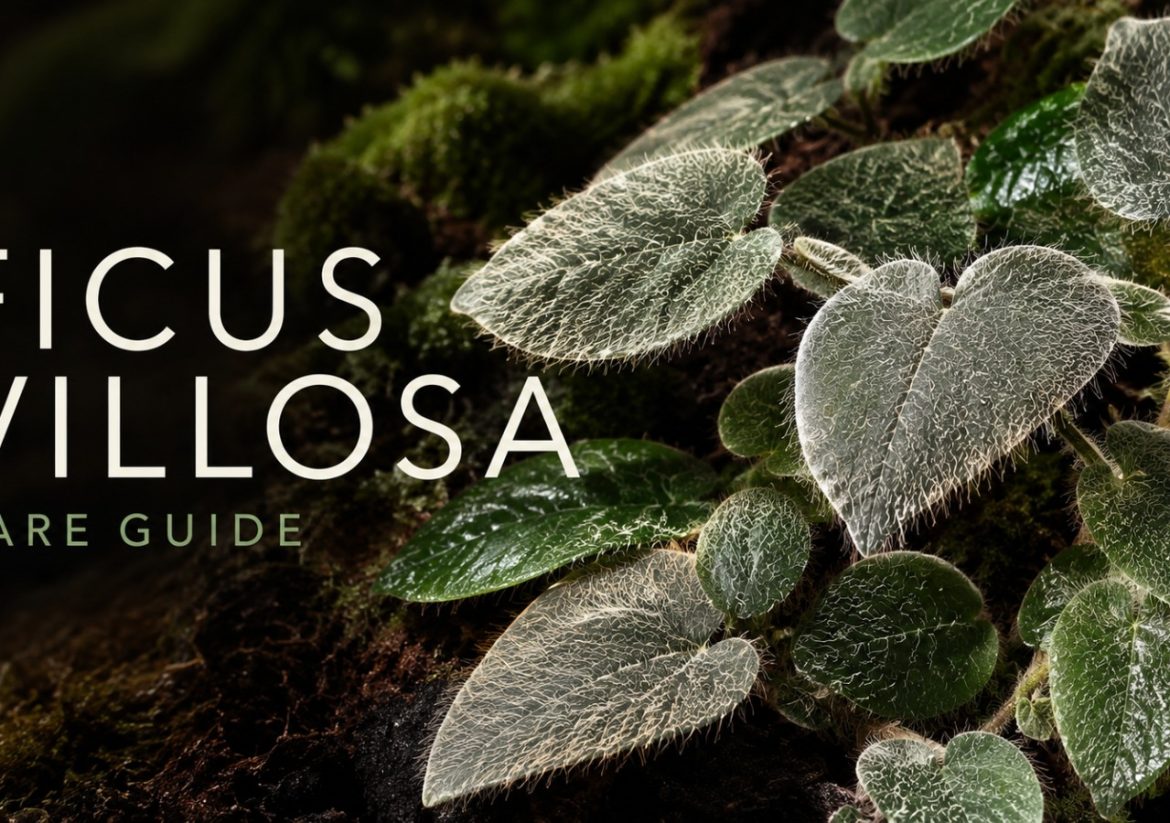
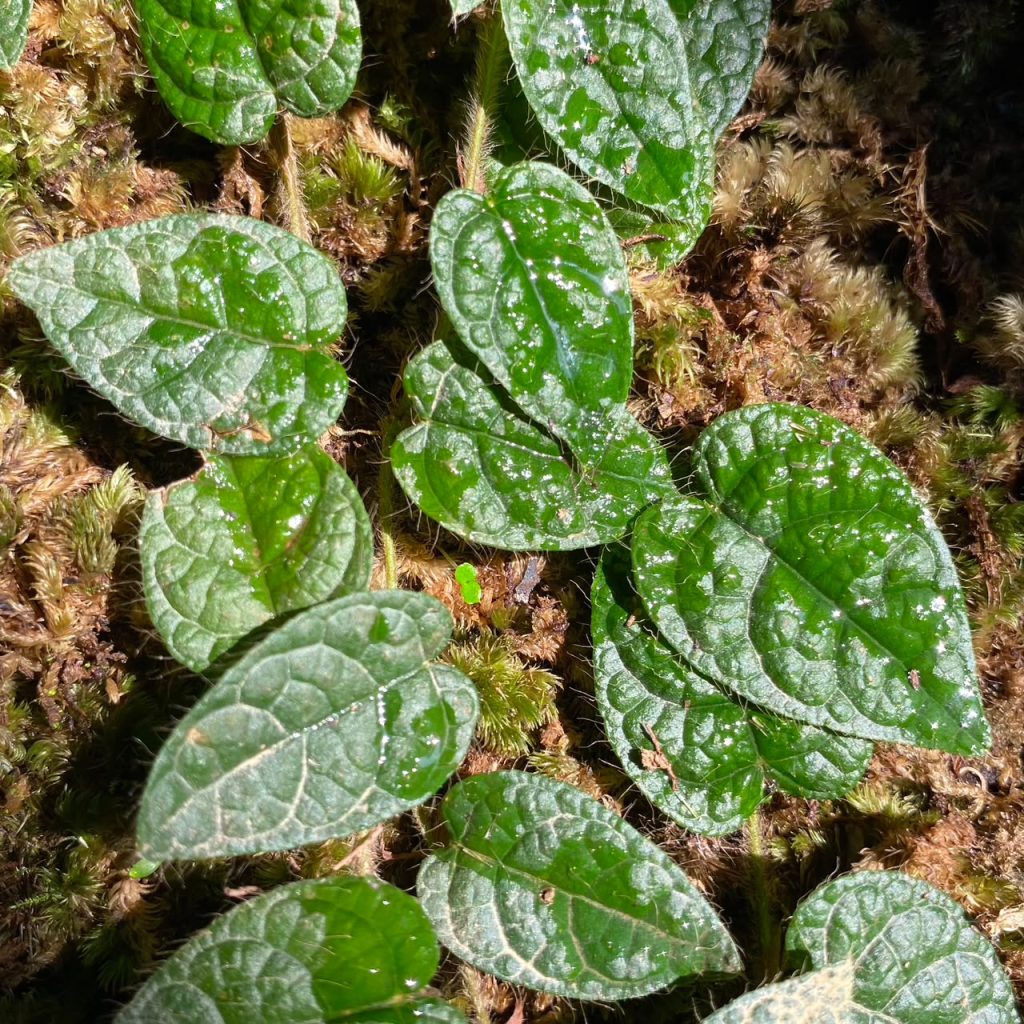
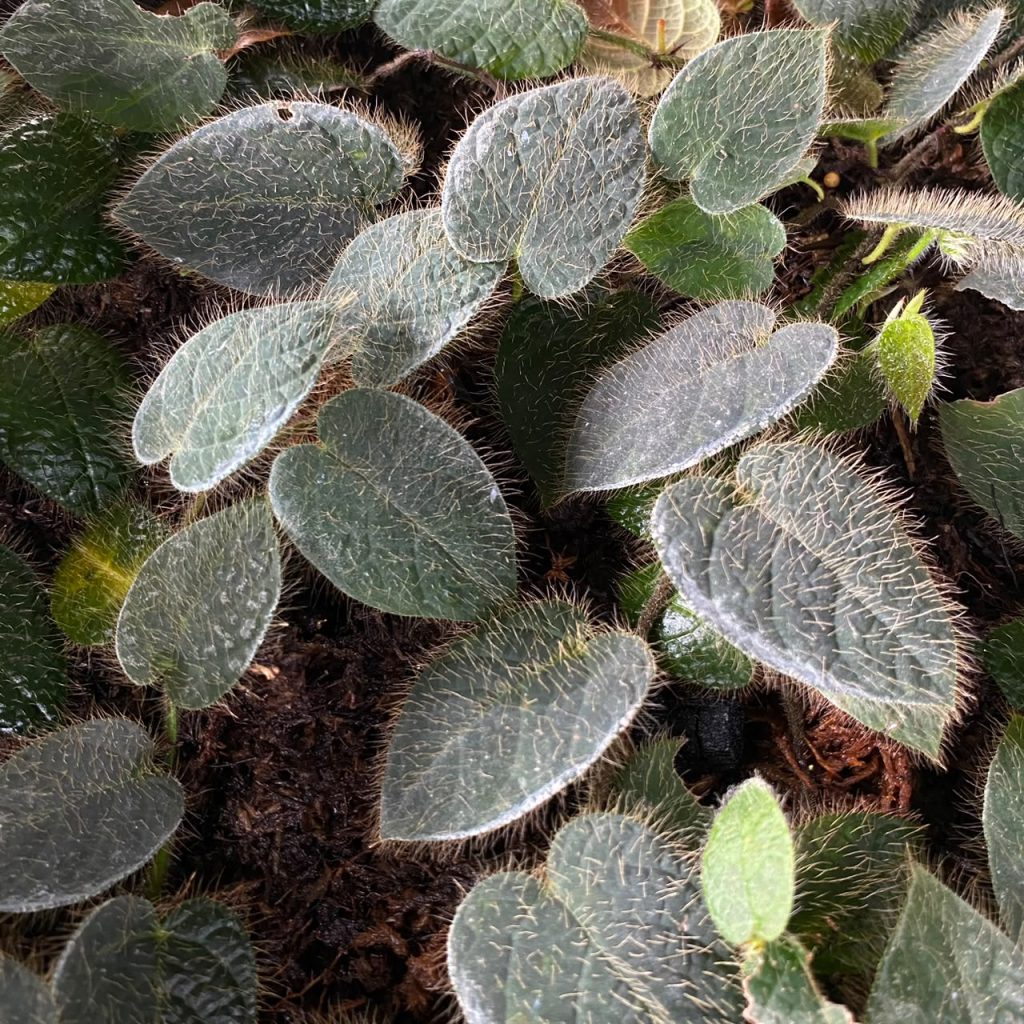
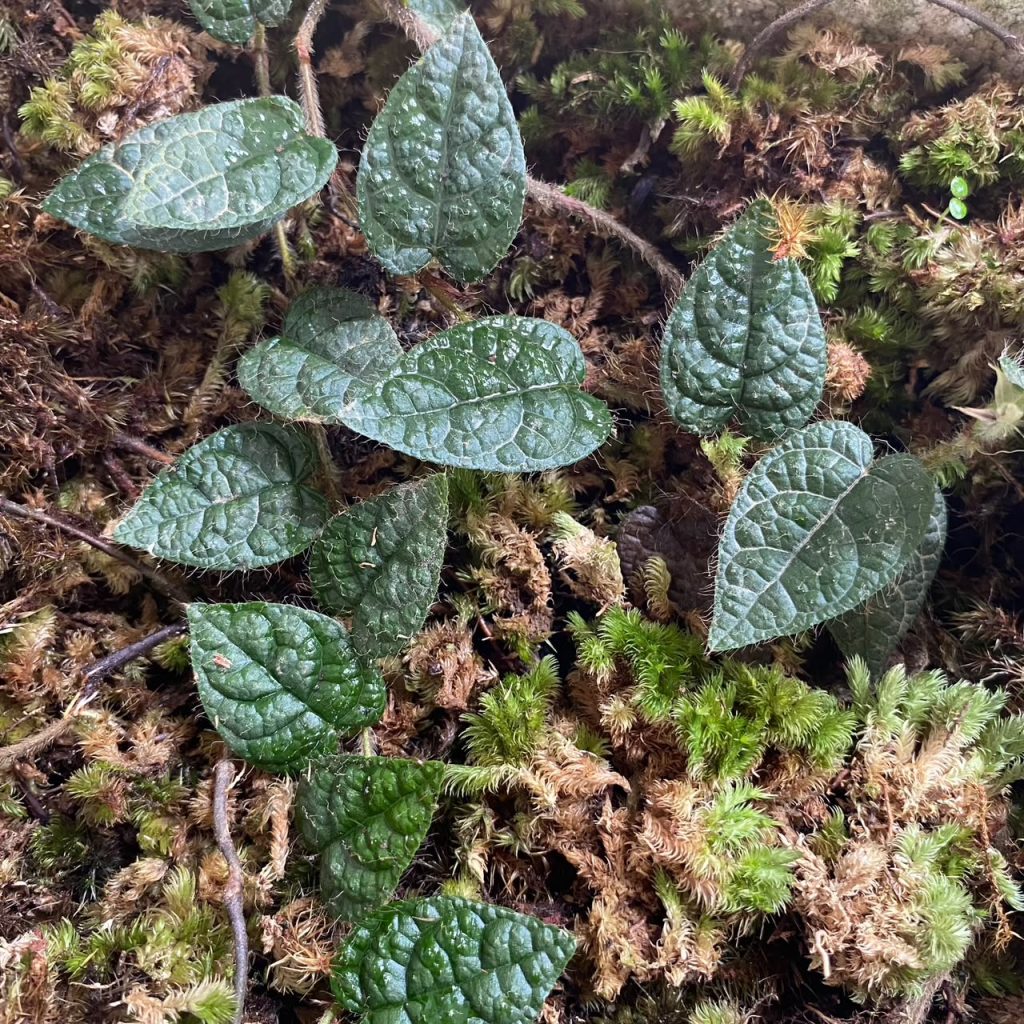
One of the most recognizable features of Ficus villosa is its textured foliage. Its leaves have a soft, hairy appearance that gives the plant a different look from many other creeping species.
This natural texture adds visual interest to plant displays, especially when combined with plants that have smooth, glossy, or finely divided leaves.
2. A Natural Creeping and Climbing Habit
Ficus villosa can grow along suitable surfaces rather than remaining upright like a typical potted plant. This makes it useful for creating layered greenery in terrariums, tropical plant displays, and other arrangements where ground cover or vertical growth is desired.
When given an appropriate surface and favorable conditions, its growth can gradually fill gaps and create a lush, natural effect.
3. An Interesting Choice for Plant Collectors
For collectors who enjoy plants with unusual foliage, Ficus villosa offers something different from more familiar houseplants. Its combination of creeping growth and textured leaves makes it a worthwhile species to explore alongside other tropical climbing plants.
Ficus villosa Care Guide
Although Ficus villosa is a tropical species, successful growth depends on providing suitable light, moisture, humidity, and growing conditions. The following guidelines offer a practical starting point.
1. Light Requirements
Ficus villosa generally grows best in bright, indirect light. A location with filtered sunlight can help support healthy growth without exposing the leaves to intense direct sun for extended periods.
In terrariums, place the plant where it receives sufficient light without becoming overheated. If the leaves begin to look pale or growth becomes weak, review the lighting conditions and adjust gradually.
Avoid moving the plant suddenly from a shaded environment into strong sunlight, as abrupt changes can stress its foliage.
2. Watering
Consistent moisture is important, but the growing medium should not remain waterlogged. Water when the upper layer of the substrate begins to dry, adjusting the frequency according to temperature, airflow, container size, and humidity.
A well-draining substrate helps prevent excess water from accumulating around the roots. In a terrarium, moisture can remain in the environment longer than it would in an open pot, so check the substrate before watering again.
Rather than following a fixed watering schedule, observe the plant and its growing medium to determine when additional water is needed.
3. Humidity
As a tropical plant, Ficus villosa is generally suited to environments with moderate to high humidity. Stable humidity can help maintain healthy foliage, particularly when the plant is grown in an enclosed terrarium.
However, humidity should be balanced with adequate airflow. Constantly wet leaves and stagnant air may encourage fungal problems or other foliage issues.
For open growing setups, monitor the plant for signs of moisture stress and make gradual adjustments to the surrounding conditions.
4. Temperature
Ficus villosa is best grown in a warm, stable environment similar to the conditions experienced by many tropical foliage plants.
Protect it from cold drafts, sudden temperature changes, and prolonged exposure to unsuitable temperatures. If you keep the plant indoors, choose a location where temperature and humidity remain reasonably consistent.
5. Growing Medium
A suitable substrate should retain enough moisture to support the plant while allowing excess water to drain away.
For potted plants, a loose, well-aerated tropical plant mix can be a useful starting point. For terrarium setups, choose a substrate appropriate for the enclosure and its moisture levels.
Avoid compacted growing media that restrict airflow around the roots. The ideal mixture will depend on whether the plant is grown in an open pot, attached to a surface, or incorporated into a terrarium.
6. Pruning and Growth Management
Ficus villosa may spread beyond its intended growing area as it develops. Occasional trimming can help maintain the desired shape and prevent it from covering neighboring plants.
Use clean cutting tools and remove unwanted growth carefully. Healthy cuttings may be suitable for propagation, although success depends on the condition of the cutting and the growing environment.
Regular observation also helps you notice changes in growth before the plant becomes difficult to manage.
Can Ficus villosa Grow in a Terrarium?
Ficus villosa can be an interesting option for suitable tropical terrariums, particularly those designed to maintain stable warmth and humidity.
Its creeping habit makes it useful for adding greenery to selected surfaces and creating a more natural, layered appearance. Before introducing it, consider the size of the enclosure, available light, ventilation, and the amount of space it will need as it grows.
In a small terrarium, regular trimming may be necessary to keep the plant from spreading too far. Avoid assuming that a closed enclosure requires no maintenance: moisture levels, airflow, and plant growth still need to be monitored.
For best results, observe how the plant responds to the specific conditions in your setup and make adjustments when needed.
Common Ficus villosa Care Problems
Even with suitable care, plants may occasionally show signs of stress. Checking the growing environment is often the best first step.
Yellowing leaves: This can be associated with excessive moisture, poor drainage, insufficient light, or other environmental stress. Check the substrate and growing conditions before changing your watering routine.
Dry or curling leaves: Low humidity, inconsistent watering, excessive heat, or strong direct sunlight may contribute to these symptoms.
Slow growth: Review the amount of available light, temperature stability, root condition, and overall growing environment. Growth rates can also vary naturally.
Weak or sparse growth: The plant may need more suitable light or better growing conditions. Make changes gradually and allow time to observe the response.
Excessive spreading: Trim unwanted stems and guide the plant toward the areas where you want it to grow.
Remember that one symptom can have several possible causes. Check the overall environment rather than relying on a single sign to diagnose a problem.
Tips for Growing Healthy Ficus villosa
For a better growing experience, keep these practical tips in mind:
- Provide bright, indirect light and avoid prolonged exposure to harsh direct sunlight.
- Maintain consistent moisture without leaving the substrate waterlogged.
- Use a growing medium that offers both moisture retention and good drainage.
- Keep temperature changes to a minimum.
- Provide suitable humidity while maintaining adequate airflow.
- Trim the plant when necessary to manage its creeping growth.
- Observe new growth regularly to identify environmental problems early.
Consistency is more useful than making frequent, drastic changes. Once the plant adjusts to a suitable environment, maintain those conditions and monitor its development over time.
Frequently Asked Questions
Is Ficus villosa suitable for beginners?
It can be a rewarding plant for beginners who are willing to monitor moisture, light, and humidity. Those new to tropical plants may find it easier to start with a stable growing setup and adjust conditions gradually.
Does Ficus villosa need high humidity?
It generally benefits from moderate to high humidity, particularly in terrarium environments. The ideal level depends on airflow, temperature, and the way the plant is grown.
Can Ficus villosa be grown indoors?
Yes, it can be grown indoors when provided with suitable indirect light, warmth, and moisture management. A terrarium or another controlled growing environment may help maintain stable conditions.
Does Ficus villosa climb?
Ficus villosa has a creeping and climbing growth habit. It can spread across suitable surfaces, making it useful for selected vertical displays and terrarium arrangements.
How often should I water Ficus villosa?
There is no single watering schedule that works for every setup. Check the substrate and water when the upper layer begins to dry, taking humidity, temperature, drainage, and enclosure type into account.
Discover Ficus villosa at Borneo Aquatic
Ficus villosa is an appealing option for plant enthusiasts who appreciate unusual foliage and the natural character of tropical climbing plants. With suitable light, moisture, humidity, and room to grow, it can bring a distinctive texture to terrariums and tropical plant collections.
Explore the world of tropical plants with Borneo Aquatic, where plant enthusiasts can discover a variety of interesting species for their collections.
Visit Borneo Aquatic to explore more plants and contact our team for availability and wholesale inquiries.
Plant availability may vary. Growing requirements can also differ depending on the plant’s growing conditions and environment.