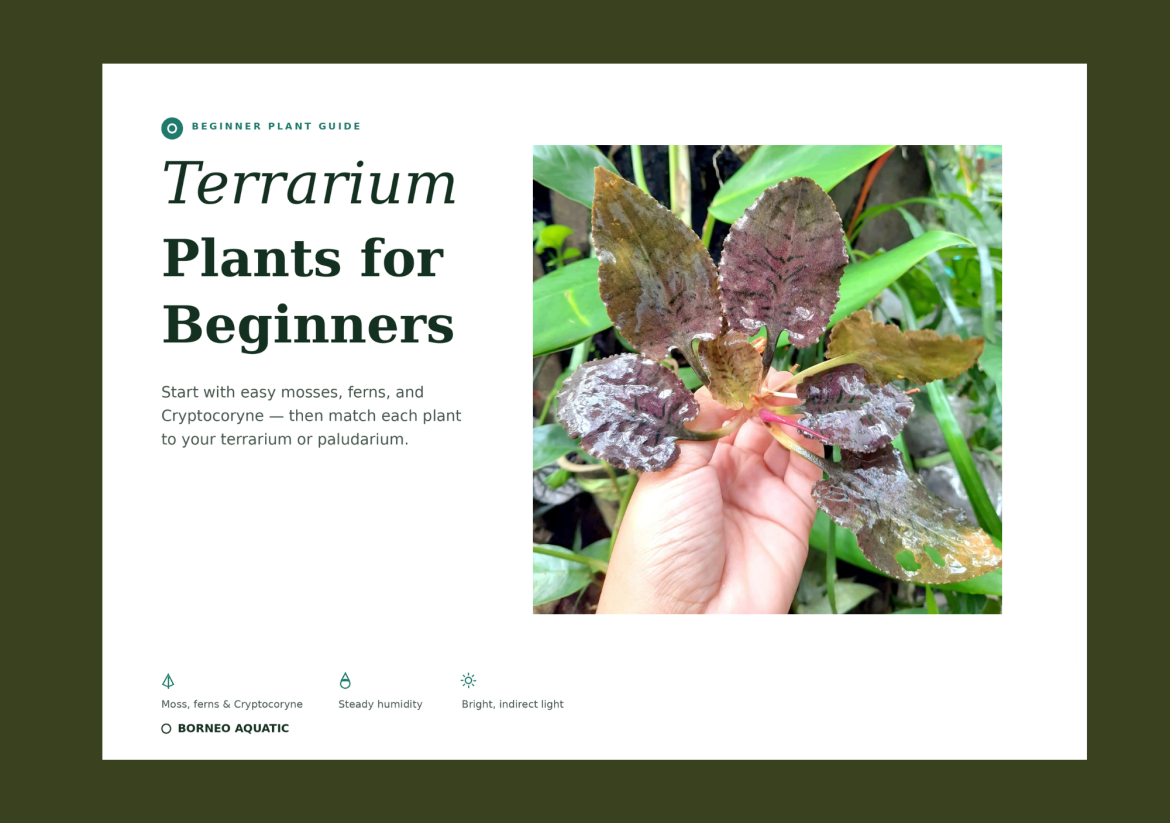
Terrarium Plants for Beginners: Easy Picks for Your First Terrarium or Paludarium
Choosing your first terrarium plants feels harder than it should. Most plants look great in a shop photo, but only a few forgive the mistakes every beginner makes. This guide to terrarium plants for beginners shows you which plants stay easy, which ones to save for later, and how to match each plant to the kind of setup you plan to build.
Terrarium, Paludarium, or Riparium?
Before you buy anything, pick the type of setup, because the type decides which plants will live.
- Closed terrarium: a lid traps moisture and recycles water, so it suits humidity-loving plants like ferns and mosses. It needs very little watering once it balances.
- Open terrarium: no lid, more airflow, and more frequent watering. Plants that like drier conditions do better here.
- Paludarium: land and water in one enclosure. The lower section holds water and aquatic plants, while the upper section holds mosses and plants that grow above the waterline.
- Riparium: a riverbank setup where plant roots sit in water while the leaves grow above it.
Most beginners find a closed terrarium the easiest place to start, as long as they resist overwatering. The Gardening Know How guide to open vs closed terrariums explains the watering difference in more detail.
Start With Light and Humidity, Not With the Prettiest Plant
Light and humidity decide whether a plant thrives or sulks. Most plants in this guide want bright, indirect light, such as a grow light on a timer or a spot near a window without direct sun. Direct sun can overheat a sealed glass container fast, so keep closed terrariums out of it.
Match plants that share the same needs. A moss and a fern that both love steady humidity will happily share a closed terrarium, while a plant that wants dry air will fight them for the whole setup.
The Best Terrarium Plants for Beginners
These plants forgive mistakes, stay a manageable size, and suit small enclosures.
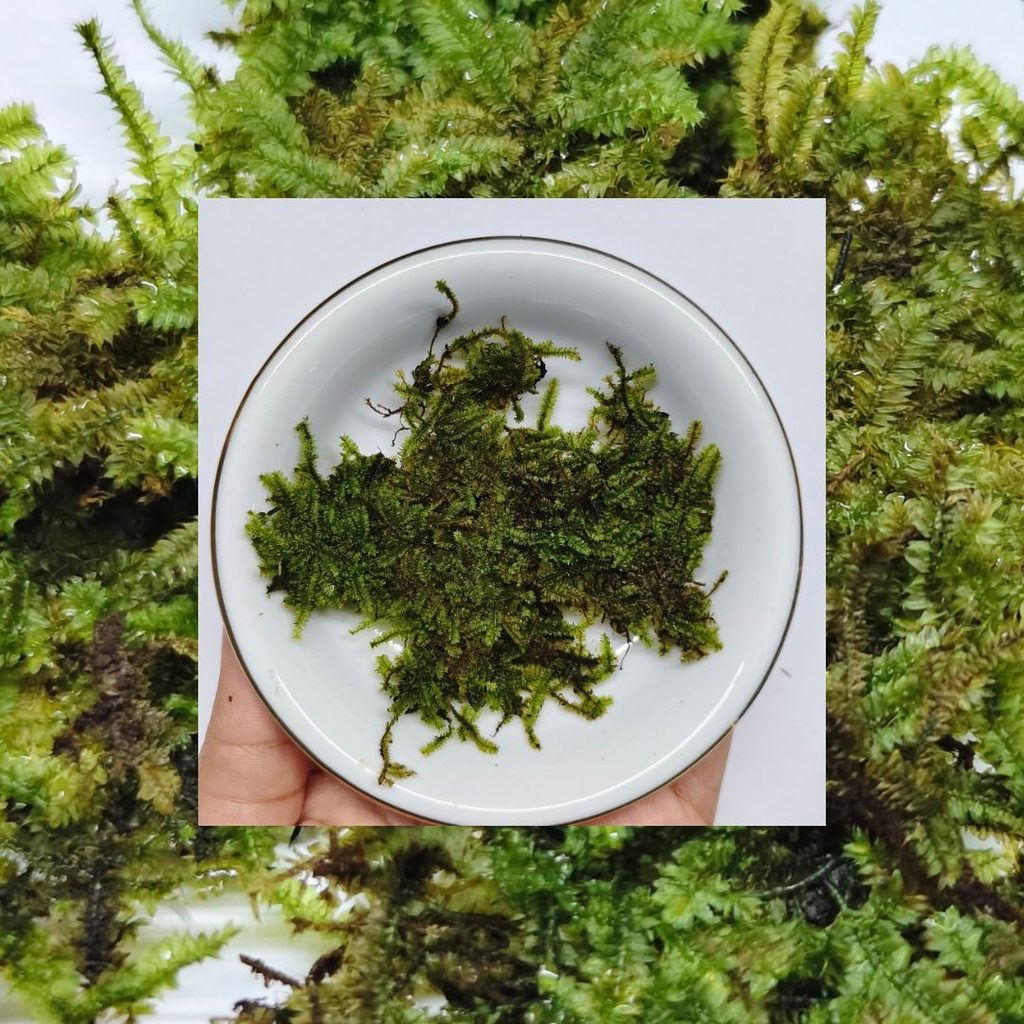
Terrestrial mosses. Mosses form the green foundation of most terrariums, and they tolerate low light and constant moisture. Our terrestrial mosses include cushion and sheet types such as Pillo Moss, which carpet the ground and cover bare soil and hardscape.
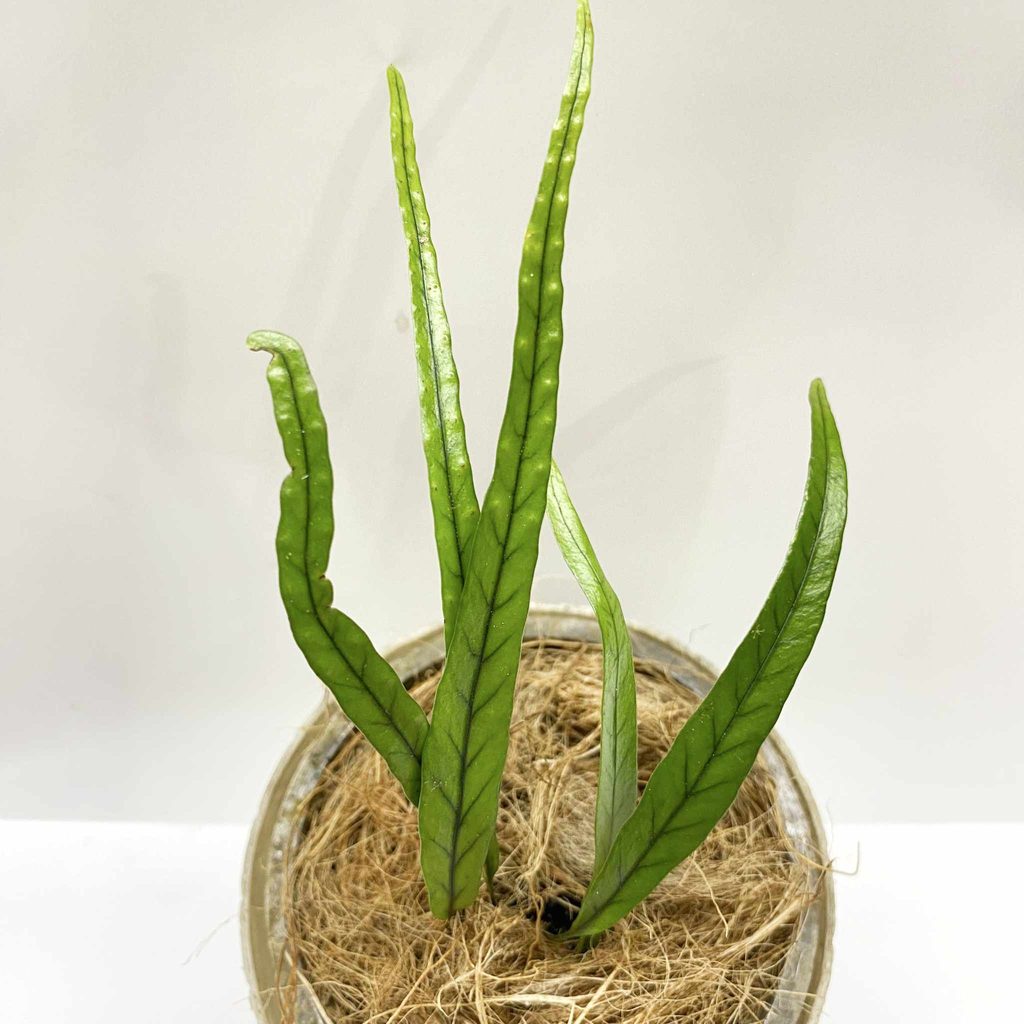
Ferns. Ferns love the steady humidity inside a closed terrarium and tolerate lower light. Browse our fern collection and choose compact types for small containers, because some ferns grow large.
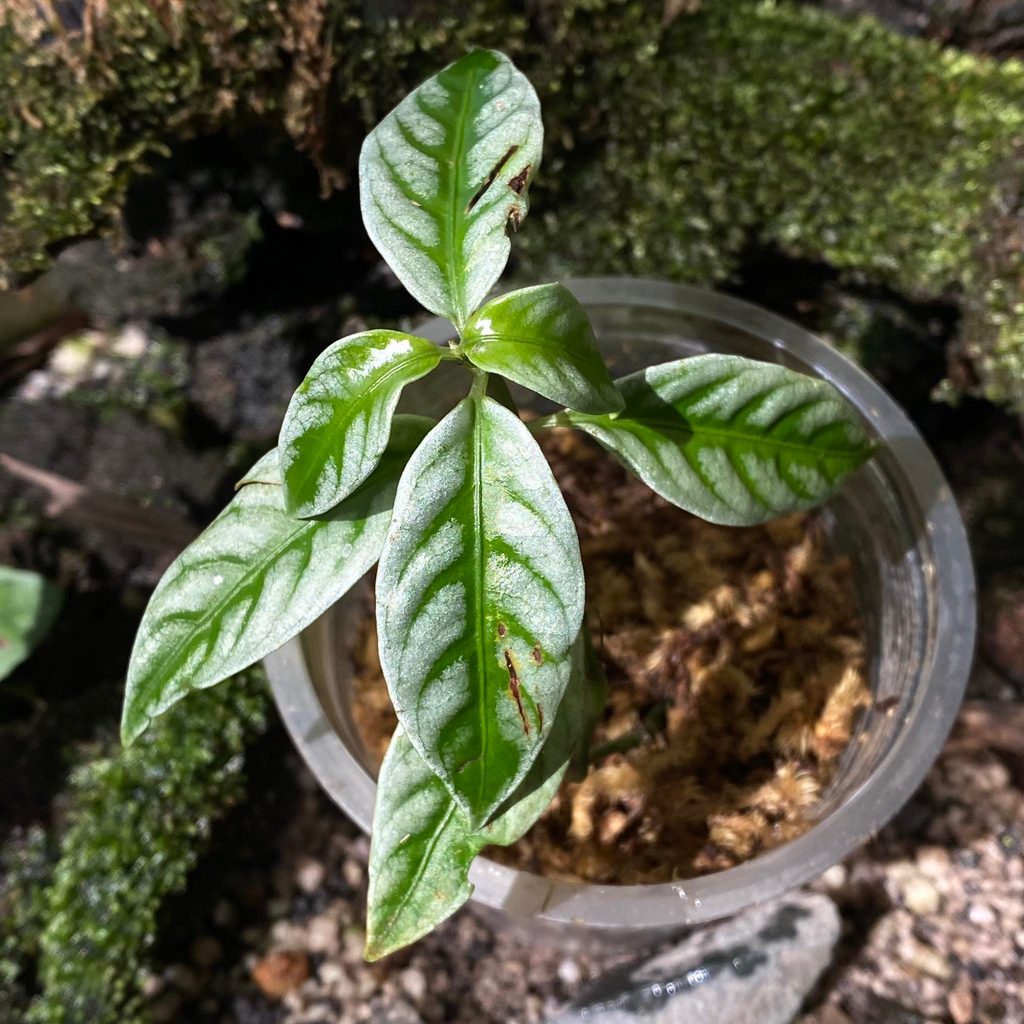
Pilea. These small, leafy plants fit terrariums well and grow without much fuss. Check our Pilea plants for sizes that fit your container.
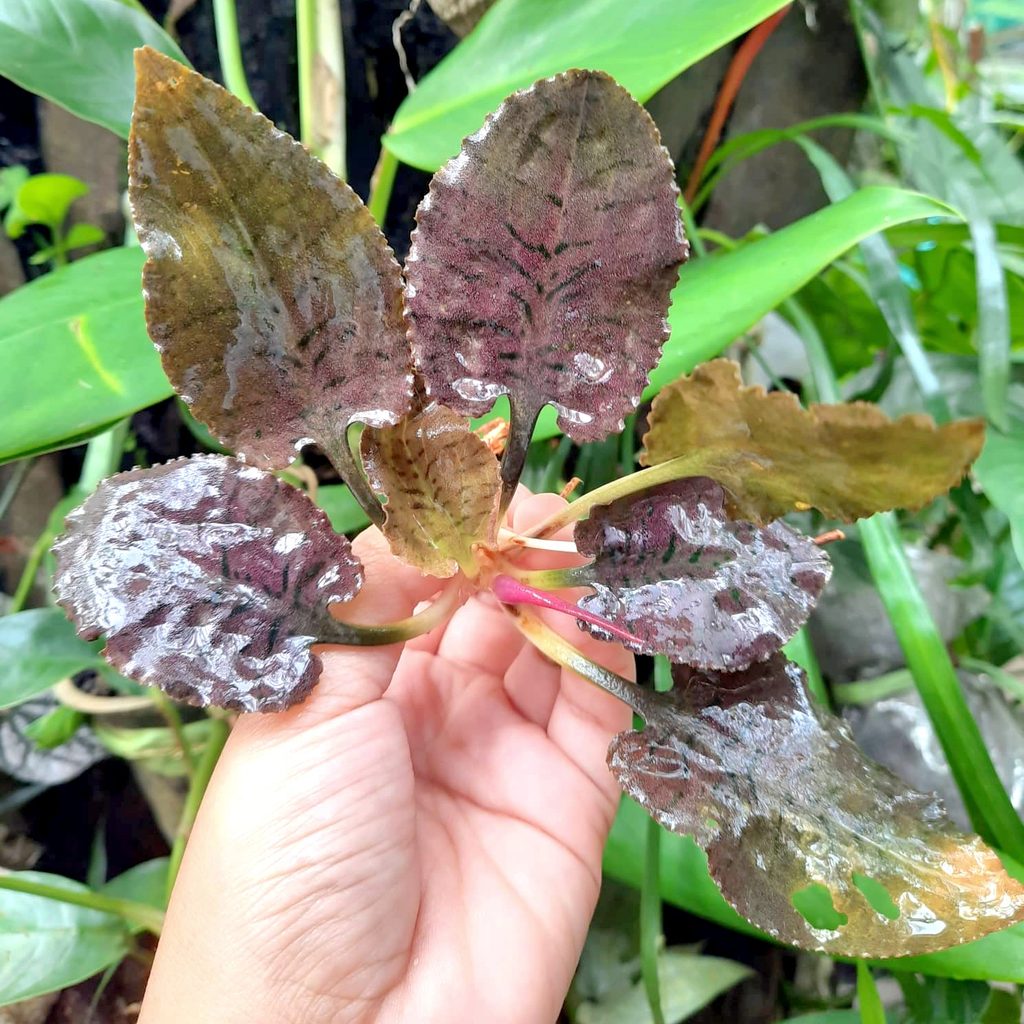
Cryptocoryne for paludariums. Cryptocoryne grows in water and also above it in wet, humid conditions, which makes it a flexible pick for paludariums and ripariums. Plants like Cryptocoryne Beckettii and Cryptocoryne Lucens cost little, so you can try a few. Expect “crypt melt” after planting, where leaves drop while the plant adjusts. New leaves usually grow back, so do not pull the plant out.
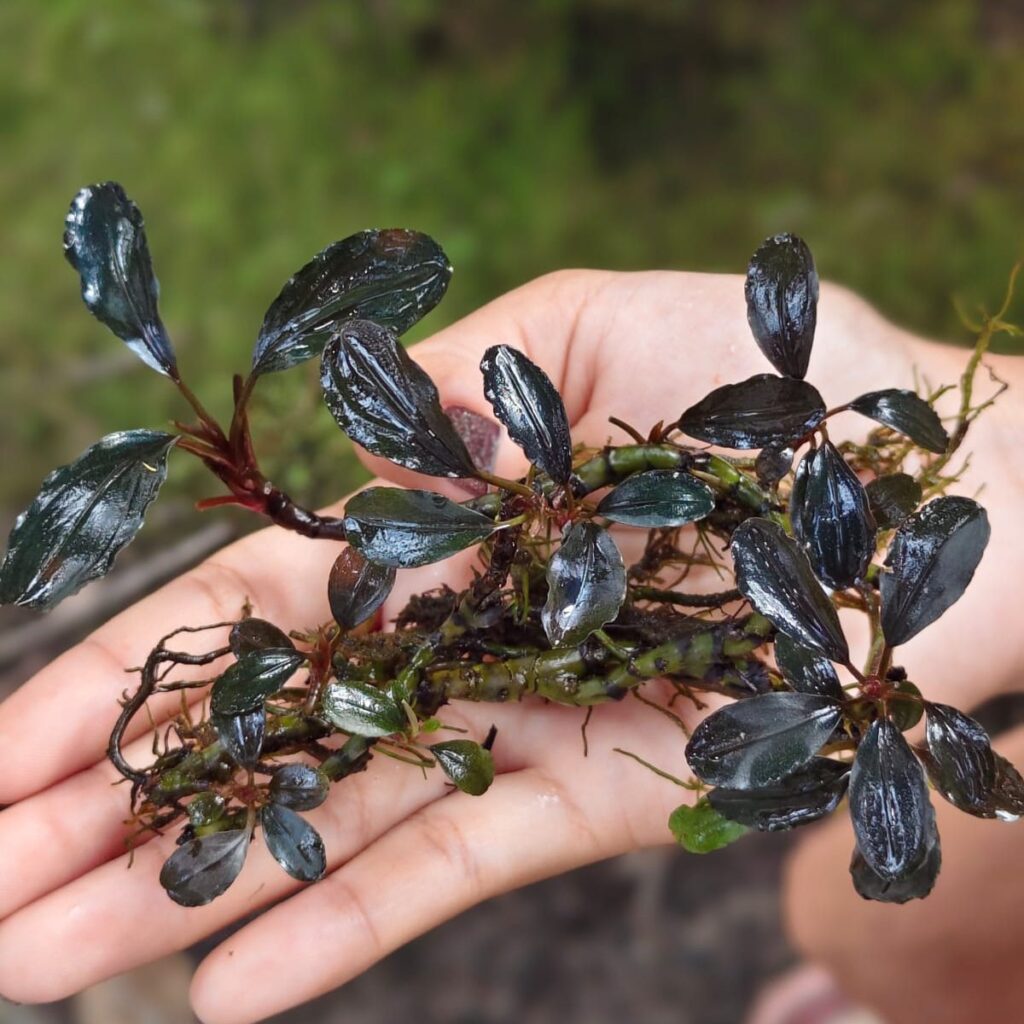
Bucephalandra for paludariums. Bucephalandra is a genus native to Borneo, and it grows slowly on rocks and driftwood instead of in soil. Attach the rhizome to hardscape and let it settle. Browse our Bucephalandra for clumps that look good on wood.
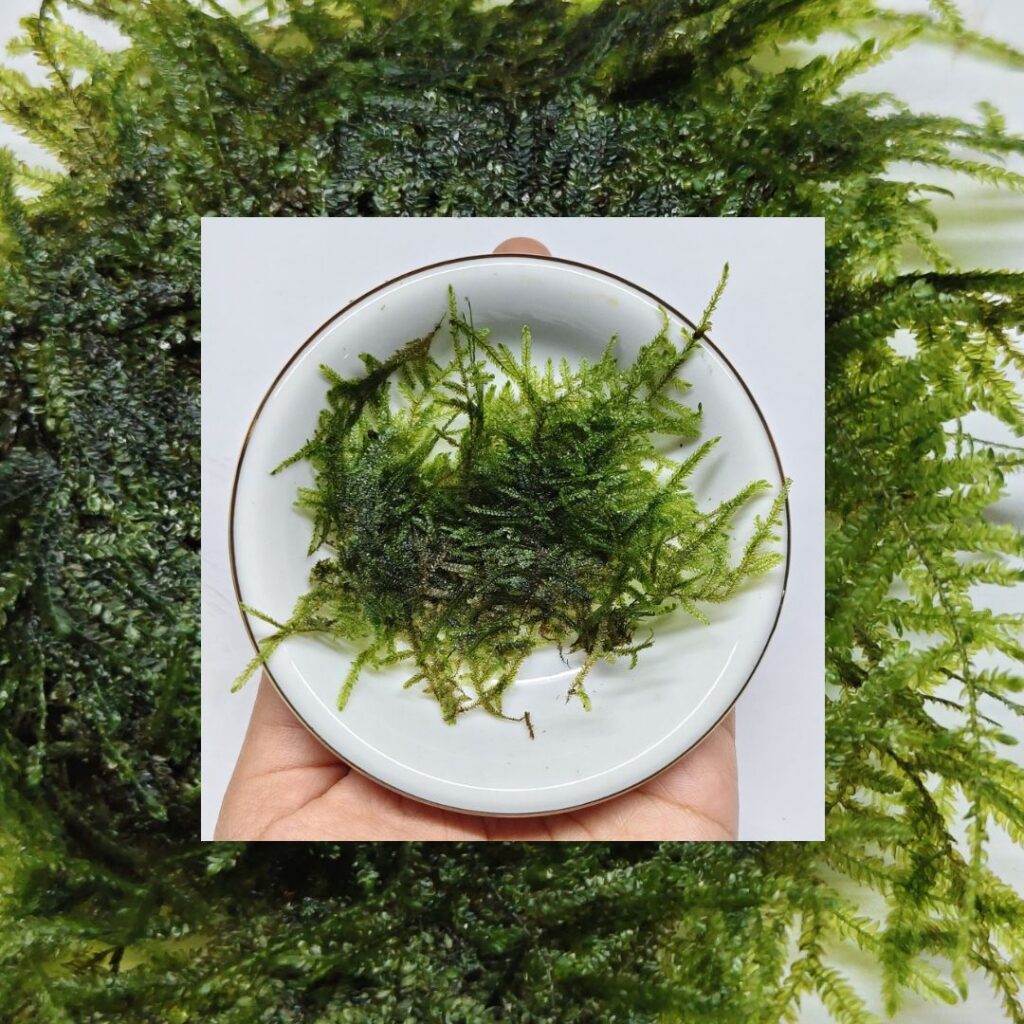
Aquatic mosses. Java moss and its relatives grow underwater and also above the waterline when you keep them constantly wet and humid. A bag of Java Moss covers a lot of hardscape. Explore our full range of aquatic mosses for different textures.
Step-Up Plants: Try These After Your First Setup
Once your first terrarium runs steadily for a few months, you can add plants that need more stable humidity and more attention.
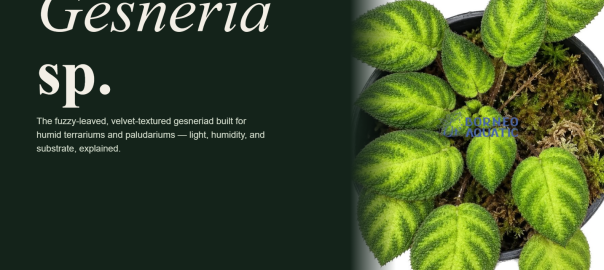
- Gesneria: a compact plant with textured, patterned leaves that suits a humid terrarium. Browse our Gesneria selection.
- Sonerila and Argostemma: small, jewel-like plants that love steady humidity. Browse our Sonerila collection when you feel ready.
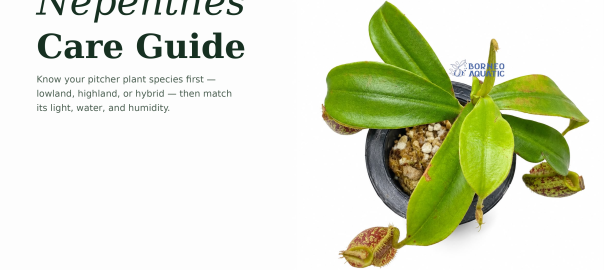
- Nepenthes hybrids: pitcher plants can work in a bright, humid setup. Our Nepenthes care guide explains which kind suits which conditions.
Save These for Later
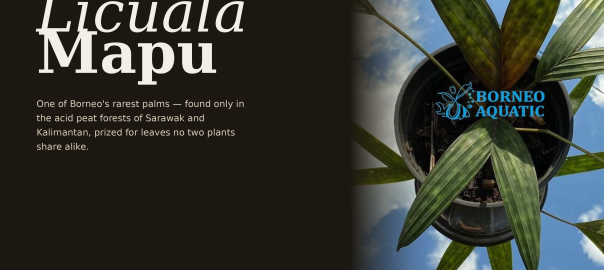
Some plants look irresistible but demand more than a first setup can give. Rare Begonia species, slow palms, and most carnivorous plants fall into this group. Our guide to Licuala mapu shows how specific a rare plant’s needs can get. Venus flytraps and sundews also want much brighter light than most terrarium lamps provide, so learn the basics first.
Match Your Plants to Your Setup
- Closed terrarium: mosses, compact ferns, Pilea.
- Open terrarium: hardy plants that tolerate drier air, with more frequent watering.
- Paludarium or riparium: Cryptocoryne, Bucephalandra on wood, and moss above the waterline.
Five Common Beginner Mistakes
- Overwatering. Too much water invites mold, especially in a closed terrarium. Water lightly and watch the condensation.
- Mixing incompatible plants. Keep plants with matching light and humidity needs together.
- Putting a closed terrarium in direct sun. The glass heats up quickly and cooks the plants.
- Overcrowding. Give each plant room, because crowded leaves trap moisture and rot.
- Panicking during adjustment. Newly arrived plants often drop or yellow a few leaves while they adapt. Give them a few weeks before you judge.
Start Small and Build Up
You do not need a dozen plants to build a good terrarium. Start with moss, one fern, and a couple of easy plants, and watch how they behave for a month. Then expand with the step-up plants that appeal to you. You can find every plant mentioned here in our shop, and our terms and conditions explain our shipping and replacement policy.
BORNEO AQUATIC Growing plants. Connecting people. Giving back to nature.