Bucephalandra Care Guide for Beginners: How to Grow and Maintain Buce Plants
Bucephalandra has become a favorite among aquarium enthusiasts for its distinctive leaf shapes, rich colors, and compact growth. Native to Borneo, this fascinating aquatic plant can display shades of green, bronze, blue, and purple, depending on the variety and growing conditions. Its subtle iridescence makes it especially attractive in natural aquascapes.
Often called “Buce” by hobbyists, Bucephalandra is valued by both beginners and experienced collectors. Although it grows slowly, it can thrive in a relatively simple aquarium setup when its basic needs are met.
Whether you are setting up your first planted aquarium or expanding a collection of unusual aquatic plants, understanding proper Bucephalandra care will help you maintain healthy growth and appreciate its unique characteristics.
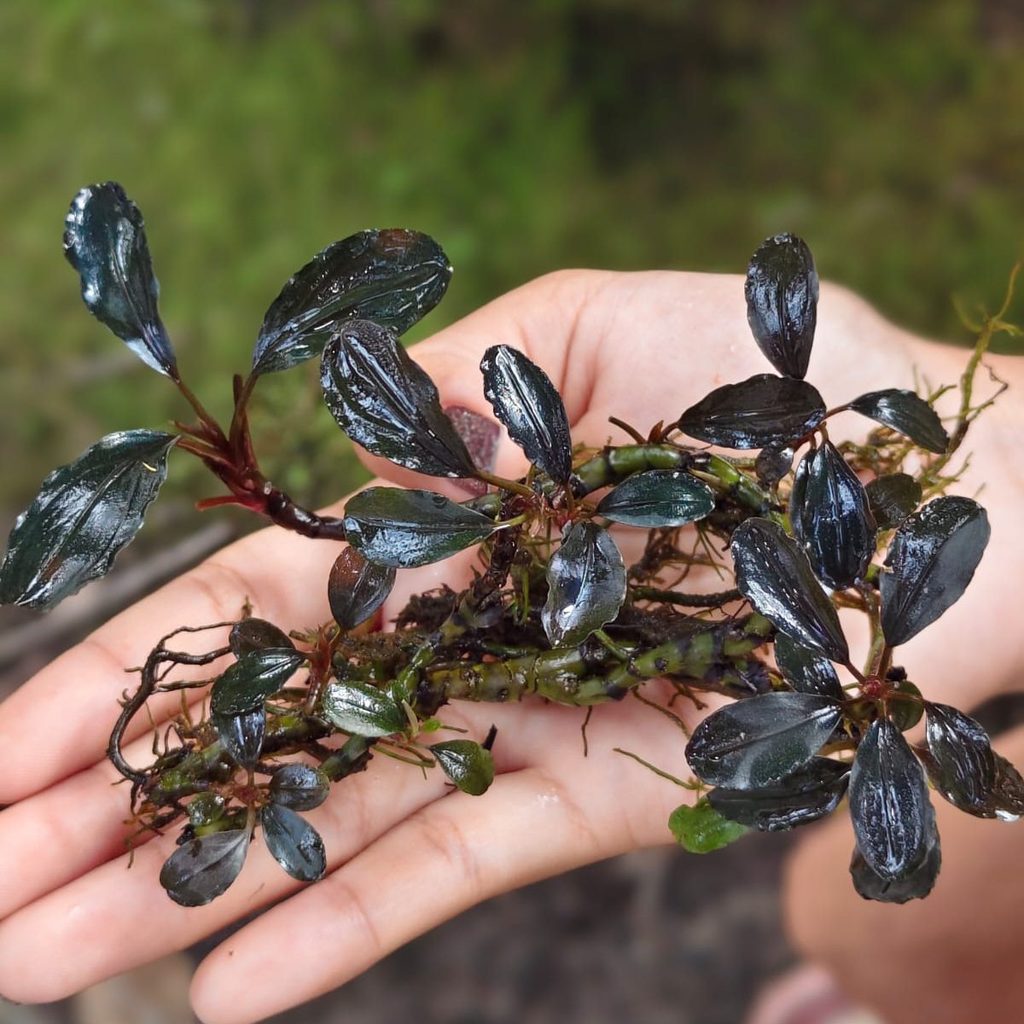
What Is Bucephalandra?
Bucephalandra is a genus of flowering plants native to Borneo, an island shared by Indonesia, Malaysia, and Brunei. Many species naturally grow along streams and rivers, attaching themselves to rocks and other surfaces in moist environments.
Unlike many conventional aquarium plants, Bucephalandra grows from a horizontal stem called a rhizome. Roots and leaves emerge from this structure, allowing the plant to attach itself to hard surfaces rather than relying entirely on substrate.
One of its most appealing features is its diversity. Different varieties can have narrow, rounded, elongated, or wavy leaves, with colors ranging from deep green to bronze and iridescent blue.
These characteristics make Bucephalandra suitable for detailed aquascaping, particularly when used on driftwood, stones, and other hardscape elements.
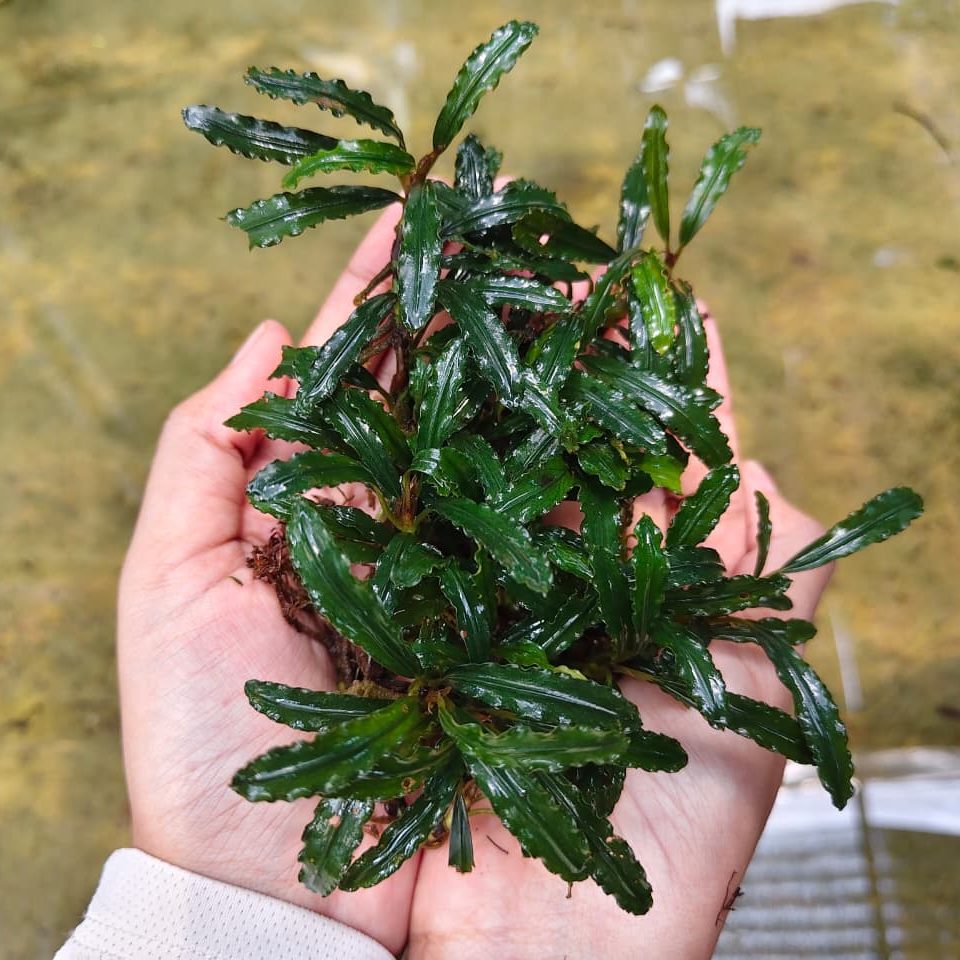
How to Grow Bucephalandra Successfully
Growing Bucephalandra does not necessarily require an expensive aquarium or advanced equipment. The key is to provide stable conditions and avoid unnecessary disturbances.
1. Choose the Right Lighting
Bucephalandra generally grows well under low to moderate aquarium lighting. Unlike fast-growing stem plants that may benefit from intense illumination, Bucephalandra develops slowly and can become vulnerable to algae buildup when exposed to excessive light.
For beginners, a low-to-moderate light setting is a sensible starting point. Observe how the plant responds and adjust the intensity if necessary.
Lighting also influences the plant’s appearance. Some varieties display a more noticeable iridescent sheen under suitable illumination, although the effect varies between varieties and viewing angles.
Lighting tips:
- Start with low-to-moderate light intensity.
- Use a consistent lighting schedule appropriate for your aquarium.
- Avoid increasing light intensity simply to accelerate growth.
- Monitor leaves for algae, especially in brightly lit tanks.
A balanced lighting setup helps maintain healthy leaves while allowing the plant’s natural colors and textures to stand out.
2. Maintain Stable Water Conditions
Stable water conditions are more important than constantly chasing a single ideal parameter. Bucephalandra can adapt to a range of freshwater aquarium environments, provided sudden changes are avoided.
A temperature of approximately 22–28°C (72–82°F) is a practical starting range for many commonly cultivated varieties. Water chemistry preferences can differ, so consider the needs of the particular variety and the other inhabitants of your aquarium.
Regular maintenance helps prevent waste accumulation and supports a healthy aquatic environment.
To maintain suitable conditions:
- Monitor temperature and water quality.
- Perform regular partial water changes.
- Avoid sudden changes in temperature or water chemistry.
- Maintain appropriate filtration and water circulation.
- Ensure that the aquarium is stable before introducing sensitive or newly acquired plants.
Bucephalandra generally appreciates gentle to moderate water movement. Good circulation helps distribute nutrients and reduces the accumulation of debris around its leaves.
3. Attach Bucephalandra to Driftwood or Rocks
One of the most important rules in Bucephalandra care is understanding how to position its rhizome.
The rhizome is the thick, horizontal stem from which the leaves and roots grow. It should remain exposed to the water rather than being deeply buried in substrate, where poor circulation and trapped debris may encourage rot.
Instead, attach the plant to aquarium hardscape.
Suitable surfaces include:
- Driftwood
- Aquarium-safe rocks
- Lava rock
- Other stable, aquarium-safe hardscape materials
You can secure the plant using cotton thread or a small amount of aquarium-safe cyanoacrylate gel adhesive. Apply adhesive carefully and avoid covering the rhizome.
Position the plant so that its roots can contact the surface while the rhizome remains exposed. Over time, the roots may attach naturally to the hardscape.
This method also gives you more flexibility when designing your aquarium. Small Bucephalandra clumps can be placed in rock crevices, along driftwood branches, or between other aquatic plants.
4. Provide Appropriate Nutrients
Although Bucephalandra grows slowly, it still requires nutrients to produce healthy leaves and roots.
In planted aquariums, nutrients can come from fish waste, decomposing organic matter, and aquarium fertilizers. The amount required depends on the overall setup, plant density, and available nutrients.
Liquid fertilizers can be useful because Bucephalandra can absorb nutrients through its leaves and roots. However, additional fertilization is not always necessary if the aquarium already provides sufficient nutrients.
Start with a conservative fertilization approach and observe the plant’s response.
Healthy new leaves and gradual growth are generally more useful indicators than trying to force rapid development. Excessive fertilizer will not automatically produce better results, particularly if other aquarium conditions are unsuitable.
5. Is CO₂ Necessary for Bucephalandra?
Carbon dioxide injection is not essential for growing Bucephalandra successfully.
The plant can grow in low-tech aquariums without supplemental CO₂, making it accessible to hobbyists who prefer simpler setups. Growth may be slower, but slow growth is a natural characteristic of many Bucephalandra varieties.
In high-tech planted aquariums, supplemental CO₂ may support faster growth when lighting, nutrients, and other conditions are appropriately balanced.
However, adding CO₂ solely to improve Bucephalandra’s appearance is not a requirement. Consistent care and a suitable environment should come first.
Common Bucephalandra Problems and How to Address Them
Even when basic care requirements are met, Bucephalandra may occasionally show signs of stress. Identifying the cause early can help prevent further deterioration.
Why Are My Bucephalandra Leaves Melting?
Leaf melt is a common concern, especially after purchasing a plant or moving it into a different aquarium.
Some Bucephalandra plants are cultivated above water before being introduced into submerged conditions. Their existing leaves may struggle to adapt, resulting in yellowing, softening, or leaf loss as the plant adjusts.
This does not always mean the plant is dying.
Check whether the rhizome remains firm and healthy. Remove leaves that have completely deteriorated, maintain stable water conditions, and give the plant time to develop new growth.
Avoid repeatedly moving or disturbing it during the adjustment period.
If the rhizome becomes soft, dark, or mushy, investigate possible rot and remove deteriorating tissue where appropriate.
Why Is Algae Growing on Bucephalandra Leaves?
Because Bucephalandra grows slowly, algae can accumulate on its leaves more easily than on fast-growing plants.
Excessive lighting, nutrient imbalances, and poor maintenance may contribute to the problem.
Consider reducing excessive light, improving circulation, removing accumulated debris, and reviewing your fertilization routine. Make changes gradually rather than altering several aquarium conditions at once.
Healthy plant growth depends on maintaining balance throughout the aquarium, not simply increasing or decreasing one factor.
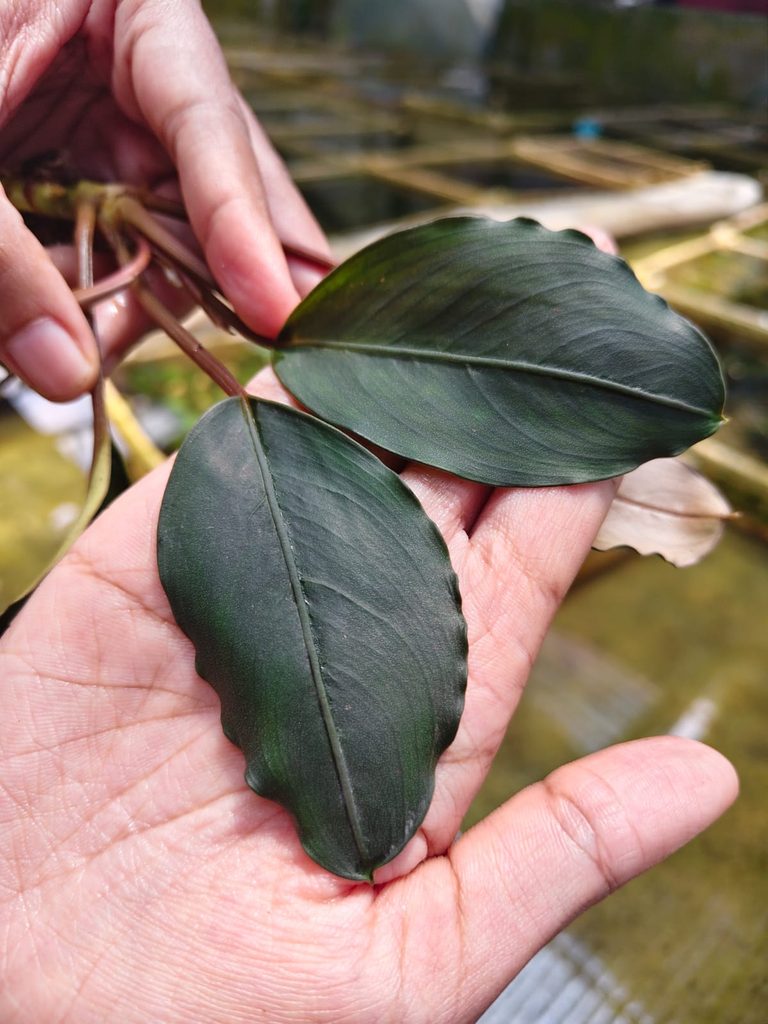
Why Is My Bucephalandra Growing Slowly?
Slow growth is normal for Bucephalandra. Depending on the variety and conditions, new leaves may take time to appear.
Rather than expecting rapid growth, focus on maintaining healthy existing leaves, a firm rhizome, and stable water conditions.
Avoid uprooting or repositioning the plant frequently just to check its roots. Patience is an important part of cultivating this genus.
How to Propagate Bucephalandra
Once your plant has established itself, propagation can help you expand your collection or create additional aquascaping arrangements.
Bucephalandra is commonly propagated by dividing its rhizome.
First, select a healthy, established plant with sufficient leaves and roots. Using a clean, sharp cutting tool, divide the rhizome into sections, ensuring each section retains healthy growth points.
Attach the new sections to suitable hardscape and provide the same stable conditions as the original plant.
Avoid dividing small or stressed plants prematurely. Since Bucephalandra grows slowly, allowing it to establish a healthy structure before propagation generally offers a better starting point.
For collectors, propagation also provides an opportunity to create fuller arrangements while preserving the characteristics of a particular variety.
Choosing Bucephalandra for Your Aquarium
With its variety of leaf shapes, textures, and colors, Bucephalandra offers plenty of creative possibilities.
When choosing a plant, consider its mature appearance, growth habit, and intended placement in your aquascape. Compact varieties can work well in smaller layouts, while plants with more elongated or textured leaves can create visual contrast around rocks and driftwood.
Beginners may prefer to start with one or two plants and learn how they respond to their aquarium conditions. Experienced collectors may enjoy comparing different varieties and arranging them to highlight their distinctive characteristics.
Keep in mind that trade names and visual characteristics can vary between sellers. When purchasing collector plants, review the available plant information and photographs carefully so you know what to expect.
You can explore the aquatic plant selection through Borneo Aquatic’s website and use the site’s navigation to discover available Bucephalandra varieties.
Frequently Asked Questions About Bucephalandra Care
Is Bucephalandra suitable for beginners?
Yes. Many Bucephalandra varieties can grow successfully in simple freshwater aquariums. Beginners should focus on moderate lighting, stable water conditions, and keeping the rhizome exposed.
Can Bucephalandra grow without CO₂?
Yes. Supplemental CO₂ is optional. Bucephalandra can grow in low-tech aquariums, although growth rates vary with the available light, nutrients, and other conditions.
Can I plant Bucephalandra in aquarium substrate?
You can position its roots near the substrate, but avoid burying the rhizome deeply. Attaching the plant to rock or driftwood is a practical way to keep the rhizome exposed.
How long does Bucephalandra take to grow?
Bucephalandra is naturally slow-growing. The time required to produce new leaves depends on the variety, aquarium conditions, and the plant’s adjustment to its environment.
Why are some Bucephalandra leaves blue or purple?
Some varieties display iridescent colors that change with lighting and viewing angle. The effect varies naturally between plants and does not necessarily indicate a problem or require intensive lighting.
Does Bucephalandra need fertilizer?
Not always. It depends on the nutrients already available in the aquarium. Liquid fertilizer may help when nutrients are limited, but excessive dosing should be avoided.
Final Thoughts
Bucephalandra is an excellent example of how small details can make a big difference in an aquascape. Its varied leaf shapes, subtle colors, and slow growth offer lasting appeal to both new hobbyists and experienced plant collectors.
Successful Bucephalandra care comes down to a few fundamentals: provide suitable lighting, maintain stable water conditions, supply nutrients when needed, and keep the rhizome exposed.
Most importantly, give the plant time to establish itself. With patience and consistent care, Bucephalandra can become a beautiful, long-lasting feature in your freshwater aquarium.
If you are ready to explore the diversity of aquatic plants from Borneo, visit Borneo Aquatic to discover the available collection and find plants that complement your next aquascaping project.