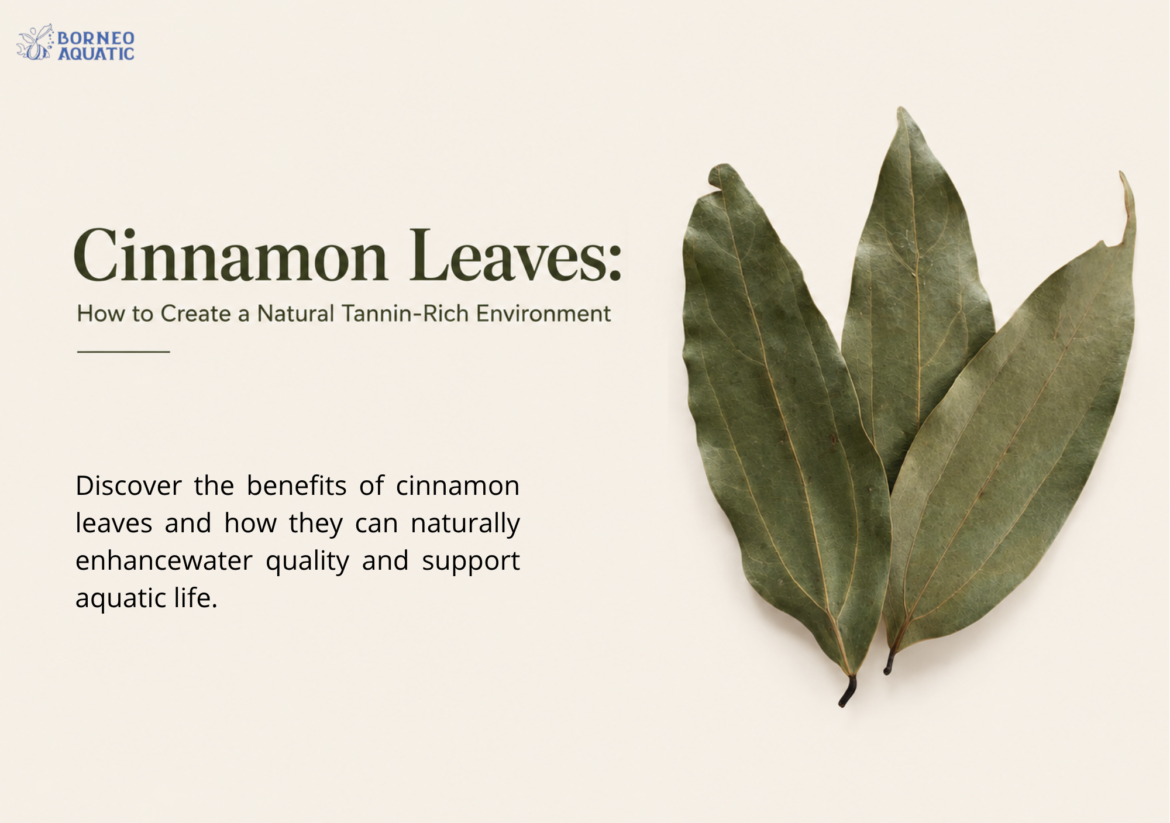
Cinnamon Leaves: How to Create a Natural Tannin Rich Environment
Aquascaping and freshwater aquarium design heavily rely on natural botanical materials to bring authentic textures, tannins, and character into underwater layouts. Among the wide variety of botanicals available for aquascapers, cinnamon leaves stand out as an exceptional choice. They bring delicate yet distinct linear venation and stunning organic coloration depth to freshwater tanks and specialized biotope setups. Furthermore, they feature a captivating elongated form that develops into a striking visual foreground or litter-bed centerpiece. Therefore, these remarkable leaves serve as the absolute perfect choice for natural aquascaping decoration.
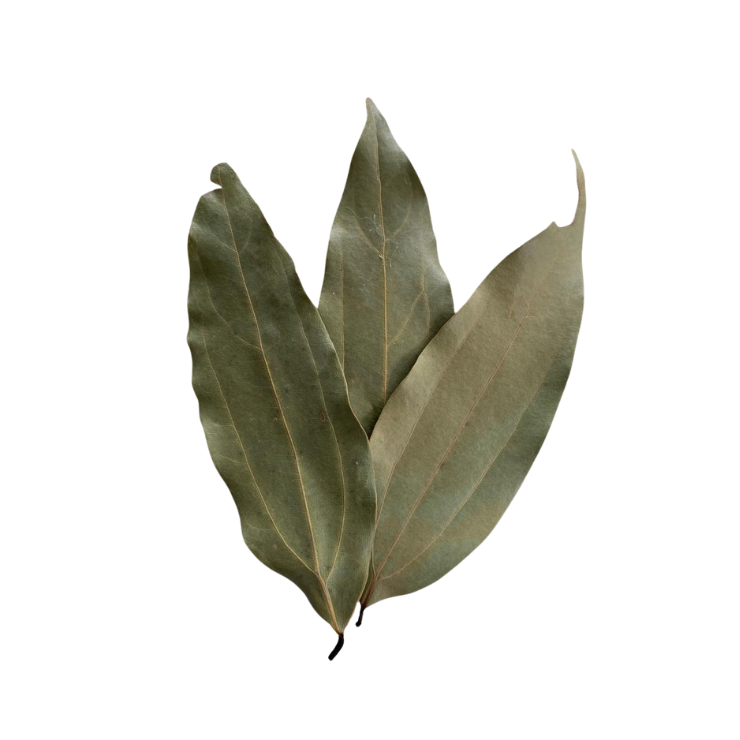
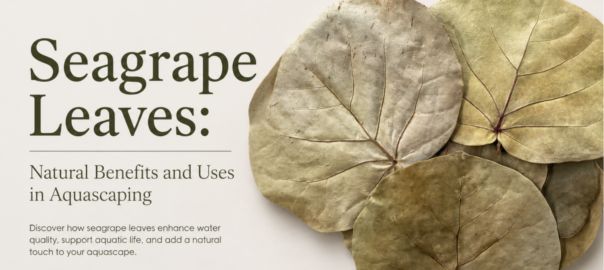
Image: Detailed view of the intricate linear vein pattern and smooth texture of a cinnamon leaf
Why Choose Cinnamon Leaves for Your Aquarium?
The main appeal of these magnificent botanical leaves lies in their unique lanceolate shape and durable texture. While ordinary aquarium decorations often feature artificial shapes and monotonous tones, these unique cinnamon leaves offer rich, natural hues that release beneficial tannins and catch underwater light wonderfully. Additionally, their natural ability to soften water parameters and provide grazing surfaces for shrimp and microfauna makes them a fantastic focal point for blackwater biotopes. Whether you are designing a nano tank or establishing a lush aquascape, these leaves add timeless botanical charm.
Optimal Care and Usage Specs for Aquascaping Success
Maintaining healthy natural setups requires understanding how to properly prepare and manage botanical additions. To keep your cinnamon leaves functioning effectively in your aquatic layout, consider these comprehensive guidelines:
- Preparation and Boiling: Always rinse and boil the leaves briefly before adding them to your aquarium to sterilize them and help them sink more readily.
- Placement Strategy: Scatter the leaves across the substrate or tuck them around driftwood and rocks to mimic a natural riverbed floor.
- Water Parameters: Monitor your water chemistry as natural botanicals release tannins, which can gently lower pH and soften water hardness.
- Replacement Routine: Periodically inspect the leaves and replace them as they naturally break down over time to maintain a clean and aesthetically pleasing aquascape layout.
Aquascaping Styling, Placement, and Tank Decor
Because of their unique elongated habit and beautiful weathered texture, cinnamon leaves look striking when placed in the foreground or midground of planted tanks. You can easily contrast their organic tones by pairing them with green stem plants, botanicals, or dark driftwood.
Growing with Borneo Aquatic
At Borneo Aquatic, we take pride in delivering healthy, carefully cultivated aquatic specimens and natural botanicals directly to your doorstep. If you want to expand your plant collection or learn advanced aquascaping techniques, browse our [Internal Link: expert aquascaping guides on the blog → https://borneoaquatic.com/blog]. When you are ready for a new botanical specimen, check out our [Internal Link: exclusive online shop catalog → https://borneoaquatic.com/shop] to discover our latest available rarities.
Conclusion
Designing an underwater aquatic ecosystem is a deeply rewarding project that transforms your tank into a peaceful natural sanctuary. By introducing these resilient botanical leaves into your aquascape, you bring home a stunning decoration that catches the eye of every observer. With proper placement and consistent care, they will enrich your water and bring natural beauty to your aquarium for years to come.
[Outbound Link: Learn more about Cinnamomum species and botany → https://en.wikipedia.org/wiki/Cinnamomum]